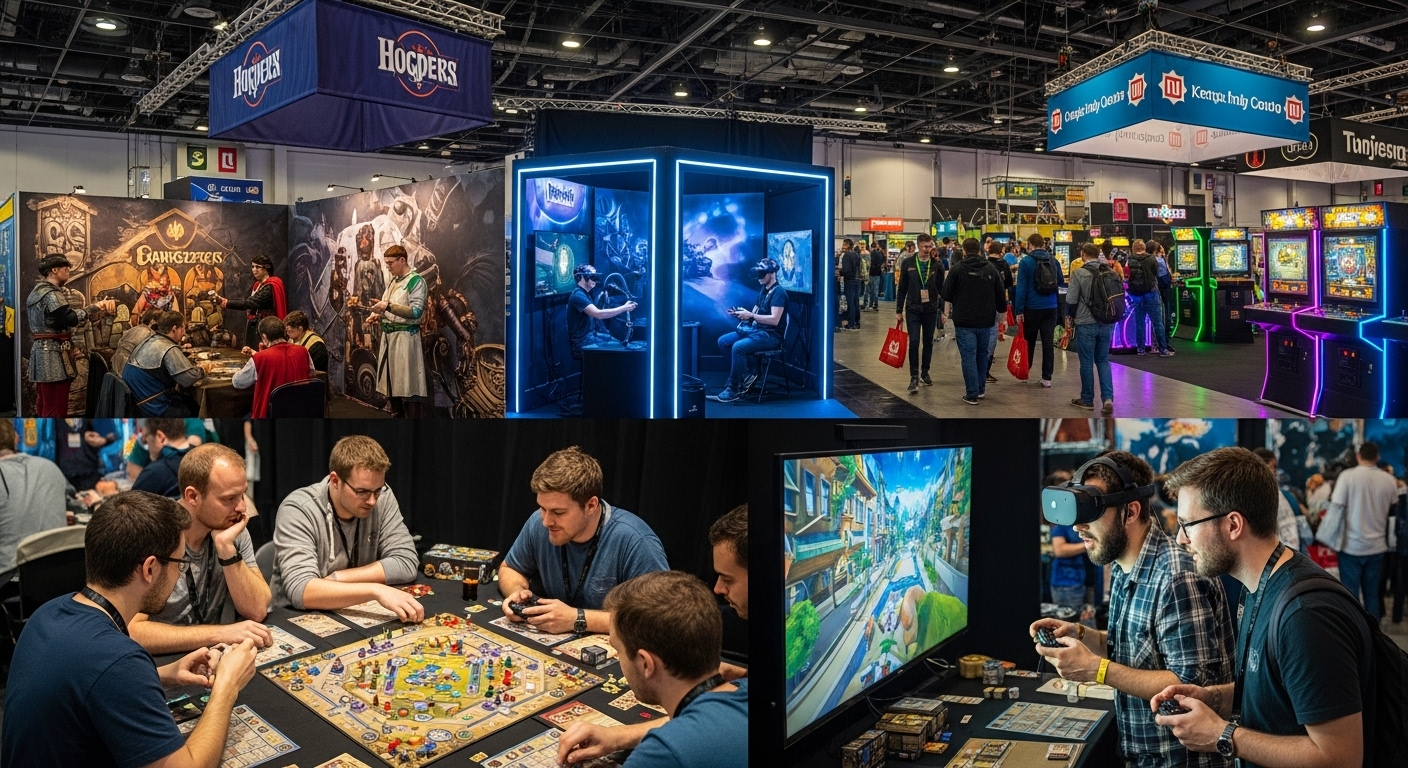

In the past few decades, the world of video games has experienced an incredible transformation. From humble beginnings with simple 2D titles to the expansive, hyper-realistic 3D worlds of today, gaming has evolved into a multi-faceted, global entertainment industry. With new technology and trends constantly reshaping the landscape, video games continue to push the boundaries of what we think is possible in entertainment. In this blog post, we will explore the exciting evolution of video games, from their origins to their modern-day status as a cultural powerhouse.
The Origins of Video Gaming: A Simple Beginning
Video games started as a simple form of entertainment, far removed from the cutting-edge experiences that we have today. In the 1970s, arcade games like Pong and Space Invaders captured the public’s imagination with their straightforward yet addictive gameplay. These early games, limited by the technology of the time, were characterized by basic graphics and simple mechanics. However, they laid the foundation for what would become a massive entertainment industry.
During the late 1980s and early 1990s, home consoles brought gaming into the living rooms of millions of families. The Nintendo Entertainment System (NES) and Sega Genesis gave birth to iconic games such as Super Mario Bros. and Sonic the Hedgehog, cementing gaming as an activity enjoyed by people of all ages. At this stage, gaming was still seen primarily as a hobby, but its rapid growth suggested that it had the potential to be something much bigger.
The Rise of 3D and Open-World Gaming
One of the most significant shifts in the gaming landscape occurred with the transition from 2D to 3D graphics. This shift unlocked new possibilities in terms of world-building, game design, and storytelling. Early 3D titles like Super Mario 64 and Final Fantasy VII showcased the power of 3D technology and proved that gaming was not just about graphics—it was about immersing players in complex, interactive worlds.
The late 90s and early 2000s marked the birth of open-world gaming, where players could explore vast, free-roaming environments. Games such as Grand Theft Auto III, The Elder Scrolls V: Skyrim, and The Legend of Zelda: Breath of the Wild revolutionized how players interacted with their game worlds. Players were no longer bound by linear narratives or limited spaces; they could explore, interact, and influence the game world in ways that had never been possible before.
These open-world games allowed for an unprecedented level of freedom, paving the way for modern titles that offer expansive, living worlds where players can lose themselves for hours, if not days.
Multiplayer Gaming: Connecting Players Across the Globe
As the internet became more accessible, multiplayer gaming became one of the most exciting aspects of the gaming experience. Online games allowed players to interact and compete with others worldwide, creating global communities and rivalries. The late 90s and early 2000s saw the rise of games like Counter-Strike, World of Warcraft, and Halo, which introduced competitive multiplayer modes that would shape the industry for years to come.
Online gaming brought people together in ways that were previously unimaginable. Gamers could now team up with friends or strangers to conquer challenges, engage in fierce battles, or even collaborate to build virtual worlds. The social aspect of gaming became a major driving force behind its growth. Platforms like Steam, Xbox Live, and PlayStation Network facilitated online play, helping build vibrant gaming communities that remain a core part of the industry today.
The rise of battle royales like Fortnite and Apex Legends in recent years has further expanded the concept of online gaming, making it more accessible and popular than ever. These games have created massive, player-driven events that draw millions of players and spectators, blurring the lines between traditional gaming and live entertainment.
The Impact of Mobile Gaming
As smartphones became ubiquitous, mobile gaming experienced a massive surge in popularity. Mobile games brought gaming to a wider audience, allowing players to game anytime, anywhere. Simple yet addictive titles like Angry Birds, Candy Crush Saga, and Clash of Clans were among the first to dominate the mobile market, making gaming accessible to people who may not have previously identified as gamers.
The rise of mobile gaming also shifted the economic model of gaming. Free-to-play games with in-app purchases became a dominant trend, allowing players to enjoy games without spending money upfront. This model has led to the proliferation of mobile titles that make a significant profit through microtransactions, changing how games are monetized and played.
Additionally, augmented reality (AR) games like Pokémon Go combined the real world with the virtual world, creating a completely new way to experience gaming. These innovations have made mobile gaming one of the most dynamic and fast-growing sectors of the industry, bringing gaming to millions of new players across the globe.
Virtual Reality: Gaming Beyond the Screen
Virtual reality (VR) has quickly emerged as one of the most promising technologies in gaming. With VR, players can step into fully immersive, 3D worlds where they can interact with their environment as if they were physically present. VR titles like Half-Life: Alyx and Beat Saber offer incredibly immersive experiences that make traditional gaming seem almost passive in comparison.
The potential for VR gaming is vast. It could completely redefine how we experience not only video games but also media as a whole. VR has the potential to make gaming feel more interactive, immersive, and lifelike than ever before. While VR is still in its early stages, its future is bright, with continued advancements in hardware and software promising more dynamic and realistic virtual environments.
Esports: Gaming as a Professional Career
In recent years, esports has transformed gaming from a hobby into a professional career for many players. Competitive gaming tournaments attract massive audiences, both in person and via streaming platforms like Twitch and YouTube. Games like League of Legends, Dota 2, and Overwatch have become major esports titles, with tournaments offering millions of dollars in prize money.
Esports has created a global industry with professional players, coaches, and teams competing at the highest levels. The rise of esports has also led to the creation of streaming platforms and gaming influencers, where personalities can earn money from sponsorships, brand deals, and fan donations. Esports now enjoys mainstream recognition, with even traditional sports networks broadcasting major tournaments.
This new professional aspect of gaming has given rise to a new generation of gamers who aspire to make gaming their full-time career, a concept that would have been unheard of just a few decades ago.
The Future of Gaming: Endless Possibilities
The future of gaming is a thrilling prospect. As technology continues to evolve, new forms of gaming are on the horizon. Cloud gaming, where players can stream games without needing powerful hardware, could make gaming more accessible than ever. With the rise of 5G networks, mobile gaming could also experience a massive leap in quality, allowing for more complex, graphically intense games to be played on smartphones.
Artificial intelligence (AI) has the potential to revolutionize game design, enabling developers to create dynamic, personalized experiences. Imagine games that adapt to your play style, characters that respond to your emotions, and worlds that evolve based on your decisions. As AI continues to advance, the line between scripted events and player-driven action will blur, creating more immersive and unpredictable gameplay.
The rise of blockchain and NFTs (non-fungible tokens) could also alter the landscape of digital ownership and in-game economies. Players may be able to own rare, digital items that hold real-world value, adding an entirely new dimension to the concept of ownership in gaming.
Conclusion: Gaming’s Ever-Growing Legacy
Video games have come a long way since their humble beginnings. Today, they are a powerful form of entertainment, art, and social interaction. With technological innovations continually pushing the boundaries of what is possible, the future of gaming is bright and full of exciting possibilities. Whether it’s exploring virtual worlds, competing in esports tournaments, or connecting with friends across the globe, gaming is more than just a pastime—it’s a dynamic, ever-evolving journey that continues to captivate millions of players around the world. The best is yet to come, and gamers are poised to explore uncharted realms like never before.