Introduction: The New Era of Gaming
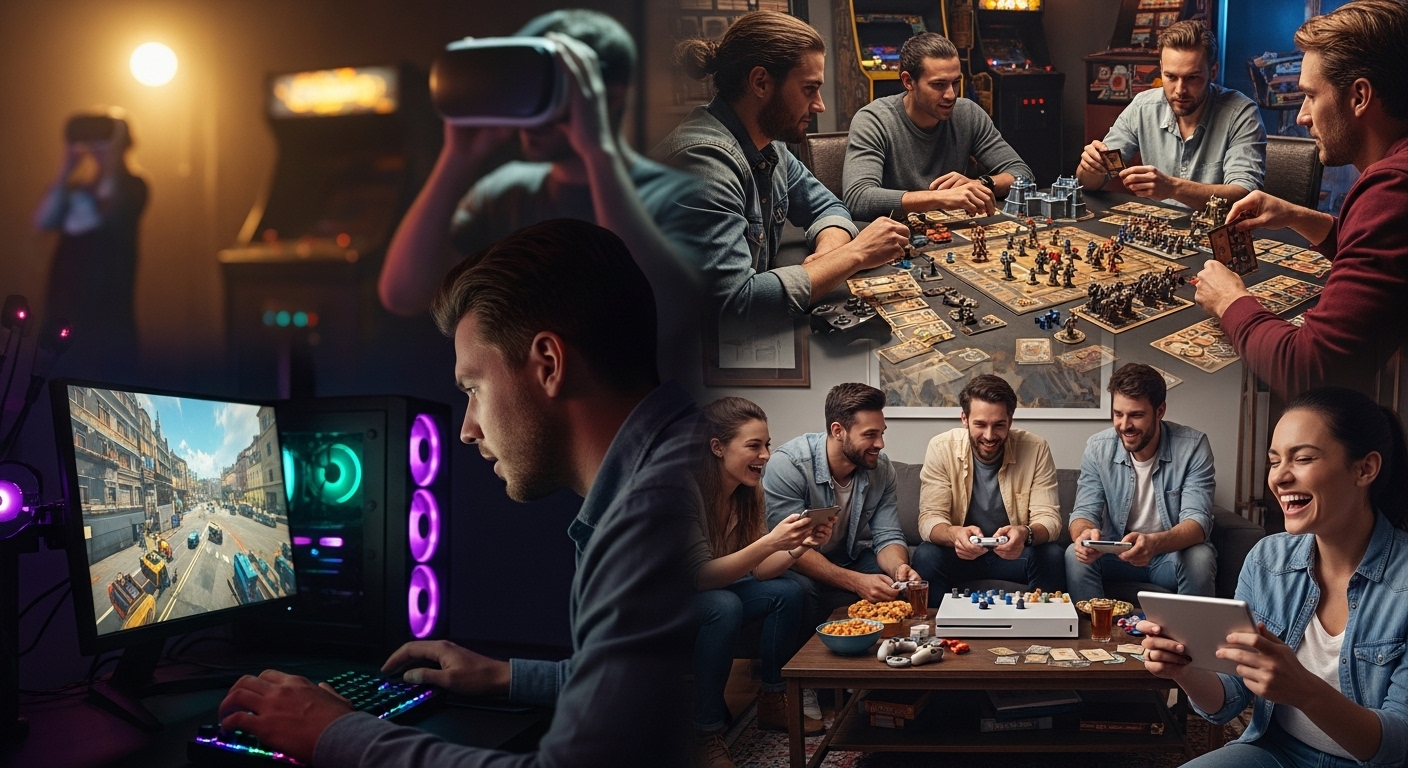
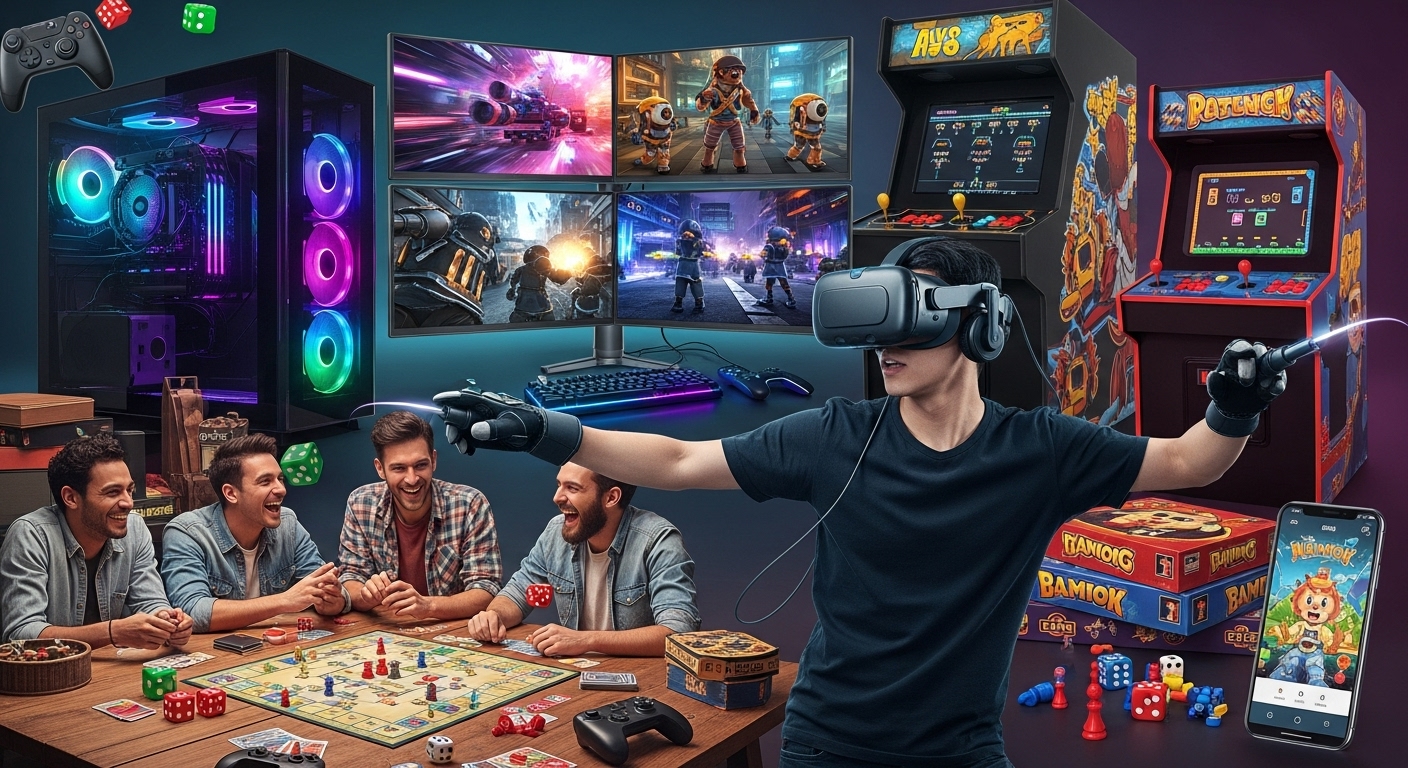
Gaming has evolved from a simple pastime into one of the most dominant forms of global entertainment. What once began as pixelated adventures on bulky machines has now transformed into immersive experiences that blend art, technology, and storytelling. Games have become more than entertainment; they are cultural phenomena influencing music, film, education, and even business. Today, gaming connects billions of players worldwide, creating a digital playground that continuously pushes the boundaries of creativity and innovation.
The Evolution of Gaming: From Pixels to Photorealism
The journey of gaming began in the late twentieth century, when basic arcade games like Pong and Space Invaders captured the imagination of early players. Over time, the industry witnessed incredible technological advancements, shifting from two-dimensional graphics to fully immersive three-dimensional environments. Early consoles laid the foundation for interactive entertainment, but the modern era brought in lifelike visuals and complex gameplay mechanics.
Today’s games are powered by advanced graphics engines that simulate realistic physics, dynamic lighting, and even artificial intelligence-driven characters. Developers now focus on creating cinematic experiences that rival blockbuster movies. Virtual and augmented reality are pushing gaming beyond screens, allowing players to physically step into digital worlds. This evolution is not merely technical; it reflects the growing ambition of creators to make gaming a universal form of expression.
The Power of Storytelling in Modern Games
Modern gaming has proven that storytelling can be as compelling as that found in books or films. Today’s games are not just about winning; they are about experiencing a journey, making choices, and living through emotions. Titles with deep narratives and strong character development allow players to form emotional connections with the game world.
The beauty of interactive storytelling lies in its ability to let the player influence the outcome. Unlike traditional storytelling mediums, games invite the audience to participate in shaping the narrative. The concept of branching storylines and multiple endings gives players a sense of control, making every experience unique. This engagement transforms passive viewers into active participants, enhancing the overall emotional depth of gaming.
Multiplayer Gaming and Global Connectivity
One of the most transformative aspects of gaming has been the rise of multiplayer and online experiences. Gaming is no longer a solitary activity confined to a single device; it is now a social phenomenon connecting people across continents. From casual mobile games to competitive eSports, online gaming has created communities that transcend borders, languages, and cultures.
Gamers today communicate, collaborate, and compete in real-time, forming friendships and rivalries that exist entirely in the digital world. Streaming platforms and social media have further expanded this connectivity, turning gaming into a shared experience. The sense of belonging to a global gaming community has made it one of the most inclusive entertainment industries.
The Rise of eSports and Professional Gaming
What was once seen as a hobby has now become a viable profession. The world of eSports has turned gaming into a global spectator sport, with professional players, organized leagues, and millions of viewers. The skill, dedication, and teamwork required in competitive gaming rival those found in traditional sports.
Professional gamers train for hours daily, refining strategies and mastering their reflexes. Tournaments attract vast audiences, offering significant financial rewards and global recognition. The rise of eSports has also opened doors for new careers such as coaches, analysts, commentators, and event organizers. Gaming is no longer confined to living rooms—it has entered arenas, stadiums, and streaming platforms as a legitimate form of competitive entertainment.
The Role of Technology in Transforming Games
Technology lies at the heart of gaming’s progress. Every leap forward—from improved hardware to artificial intelligence—has expanded what games can achieve. Graphics processing units have made it possible to create visually stunning worlds, while powerful consoles and high-performance PCs ensure smooth and realistic gameplay.
Cloud gaming has emerged as a revolutionary development, eliminating the need for expensive hardware. Players can now stream high-end games directly from remote servers, making gaming more accessible than ever. Artificial intelligence adds depth by enhancing non-player character behavior, creating smarter enemies and more dynamic environments. Furthermore, machine learning assists developers in generating vast, complex game worlds automatically.
Mobile Gaming: The Revolution in Your Pocket
The rise of smartphones has brought gaming into the hands of billions. Mobile gaming is now one of the largest segments of the industry, appealing to players of all ages. The accessibility of mobile platforms has made gaming more inclusive, breaking down barriers that once limited participation.
What makes mobile gaming unique is its versatility. Whether it is puzzle games for quick play sessions or deep strategy games that rival console experiences, the diversity of mobile titles ensures that there is something for everyone. The integration of augmented reality has added new dimensions, blending digital and real-world experiences. Mobile gaming’s global reach has transformed it into a powerful cultural and economic force.
The Art and Design Behind Great Games
Behind every successful game is a team of artists, designers, writers, and musicians working in harmony. Game design is an art form that requires creativity and technical precision. Visual aesthetics, sound design, and gameplay mechanics must blend seamlessly to create an immersive experience.
Music plays a vital role in shaping emotions within a game. Iconic soundtracks often linger in players’ minds long after they have put down the controller. Similarly, visual design sets the tone and atmosphere, from vibrant fantasy landscapes to dark, dystopian worlds. Every detail—from lighting to character expressions—contributes to storytelling without the need for words.
Educational and Psychological Impact of Gaming
Gaming’s influence extends far beyond entertainment. Studies have shown that certain types of games can improve cognitive skills, enhance problem-solving abilities, and promote teamwork. Strategy and simulation games encourage planning and decision-making, while puzzle games enhance memory and focus.
In education, gamified learning platforms use game elements to make studying more engaging. Virtual environments allow students to explore historical events, practice scientific experiments, and learn through interactive experiences. On a psychological level, gaming provides an outlet for relaxation and creativity, helping many cope with stress and anxiety.
However, balance is essential. Like any activity, excessive gaming can lead to negative effects if not managed properly. The key lies in moderation and understanding gaming’s role as a positive tool for recreation and learning.
The Future of Gaming: Beyond Imagination
The future of gaming holds infinite possibilities. As technology continues to advance, the boundaries between reality and virtual experiences will continue to blur. Artificial intelligence, cloud computing, and virtual reality will redefine how games are created and played.
The concept of the metaverse—shared virtual worlds where people can interact, create, and live digitally—promises to transform gaming into a vast social and economic ecosystem. Players may soon experience fully immersive environments where their actions shape the digital universe around them.
Moreover, advancements in haptic technology and neural interfaces could make gaming even more intuitive. Imagine feeling the texture of virtual objects or controlling a game through thought alone. These innovations will not only enhance entertainment but also revolutionize fields such as education, therapy, and communication.
Conclusion: Gaming as a Reflection of Human Creativity
Gaming is no longer just a way to pass the time; it has become a reflection of human creativity and innovation. It combines art, science, and technology in ways no other medium can. From storytelling to competition, from education to virtual exploration, gaming continues to redefine how people interact with the digital world.
As we move further into the digital age, games will remain a cornerstone of entertainment and cultural expression. They will continue to inspire new generations of thinkers, artists, and dreamers. The digital playground is expanding every day, inviting everyone to participate, explore, and create.
The world of gaming stands as a testament to the boundless imagination of humanity—and its future is brighter and more exciting than ever.