Introduction: The Timeless Power of Play
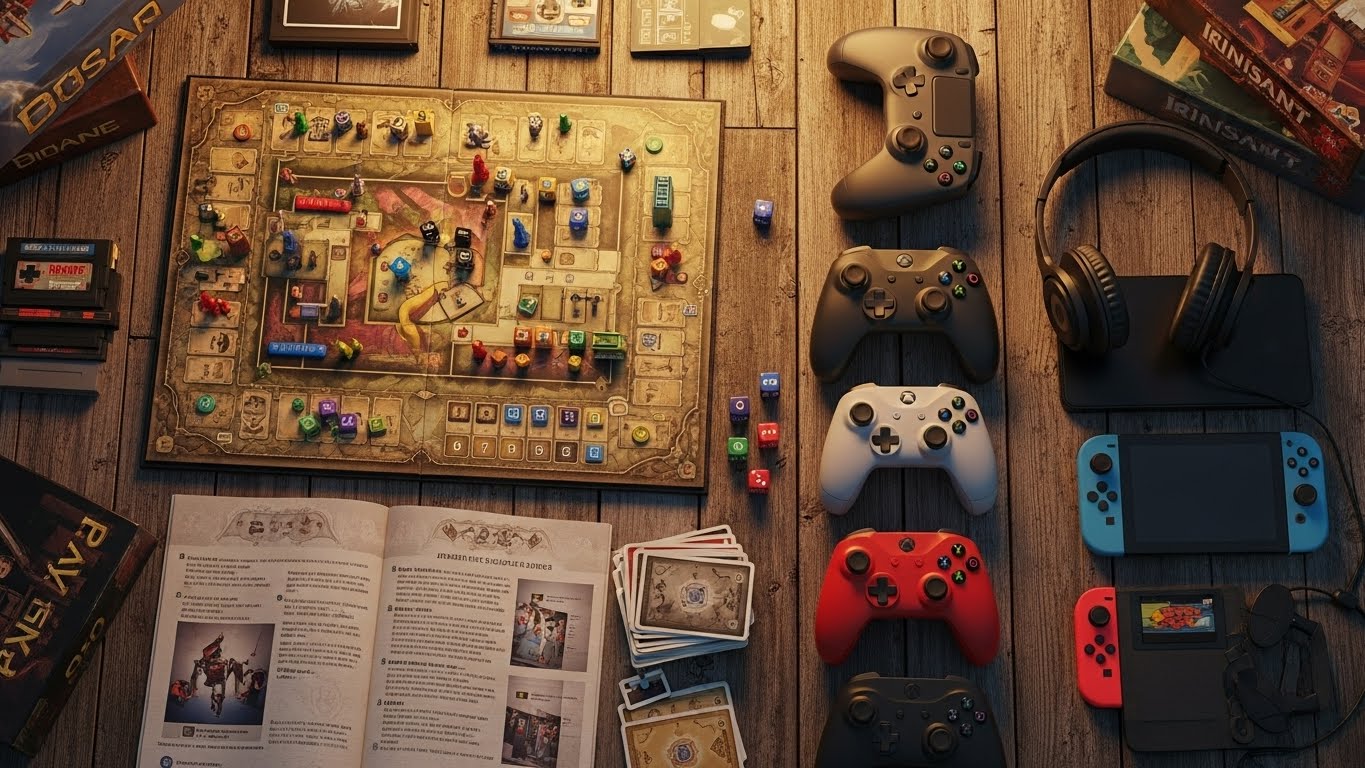
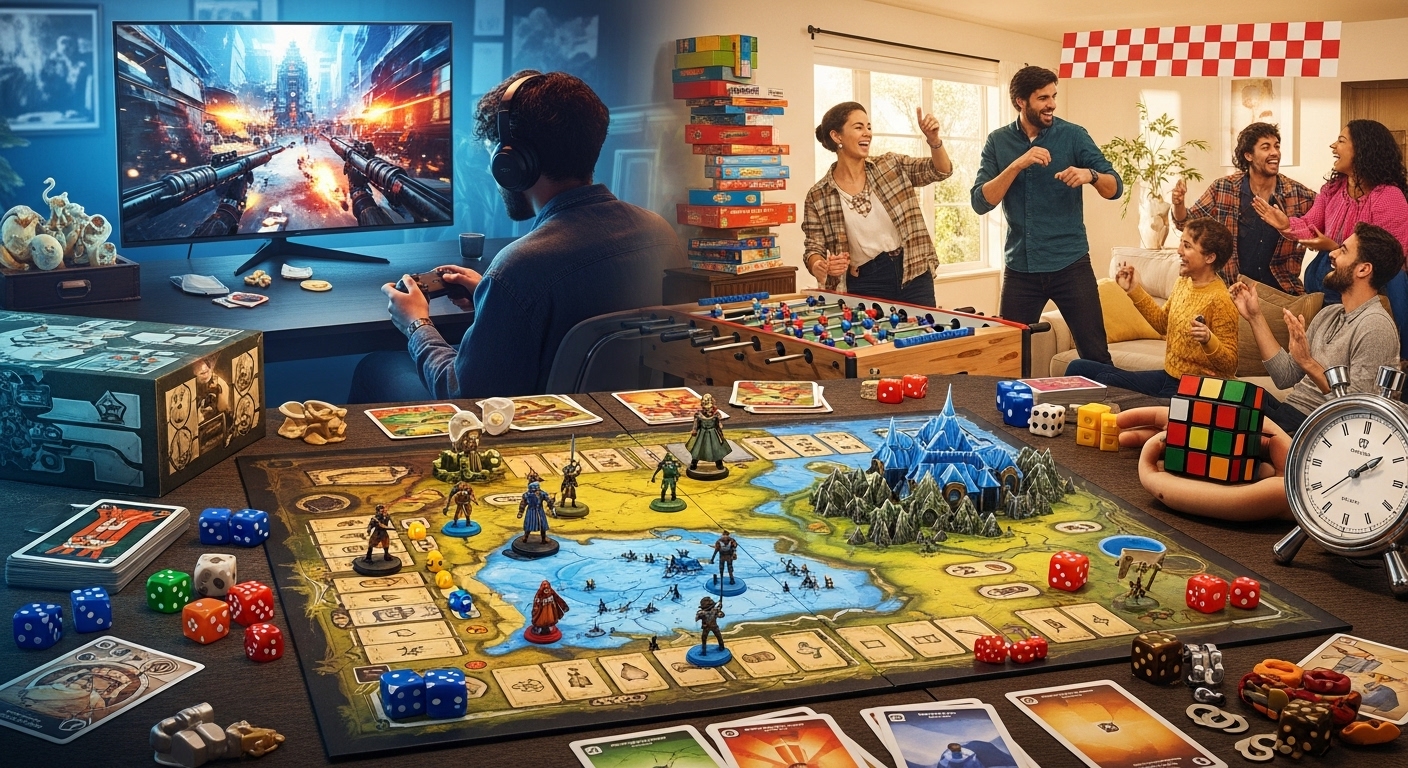
Games are an ancient form of human expression and interaction. Whether as a pastime for the young or a competitive pursuit for the old, they have been with us for centuries, if not millennia. While the formats and platforms of games have changed, their fundamental appeal remains constant. Games engage us, challenge us, and provide opportunities for social connection, self-expression, and entertainment. From humble board games to immersive digital experiences, the evolution of gaming is a testament to humanity’s creativity, innovation, and desire to explore new worlds.
This blog post will explore the world of games from their origins to their future potential. We will look at how games impact our lives, the different types of games that have emerged over time, and what the future holds for this universal form of entertainment.
The Origins and Evolution of Games
The roots of gaming extend far back in history. Evidence of early gaming can be found in ancient civilizations, with the oldest known board game, Senet, dating back to 3100 BCE in ancient Egypt. Other ancient cultures, such as the Chinese and the Mesopotamians, also played games, often to symbolize strategic battles, fortune, and even the afterlife. In fact, games have always been a reflection of society’s interests, values, and challenges.
As civilization advanced, so did the complexity and variety of games. The Greeks and Romans, for instance, popularized games such as dice and chariot races, with the latter laying the foundation for modern competitive sports. Meanwhile, games like chess emerged in India during the 6th century, offering intellectual challenges that required strategy, planning, and foresight. The idea of competition, strategy, and chance is embedded deep within the history of gaming.
Fast forward to the 20th century, and the invention of computers and consoles revolutionized the way we play. Video games first emerged in arcades in the 1970s, with simple games like “Pong” and “Space Invaders” capturing the imagination of the public. Over the next few decades, home consoles and personal computers brought games into living rooms and onto desktops, introducing games like “Super Mario,” “Tetris,” and “The Legend of Zelda” to new generations. These early games laid the groundwork for what has now become a multi-billion-dollar industry.
The Different Types of Games
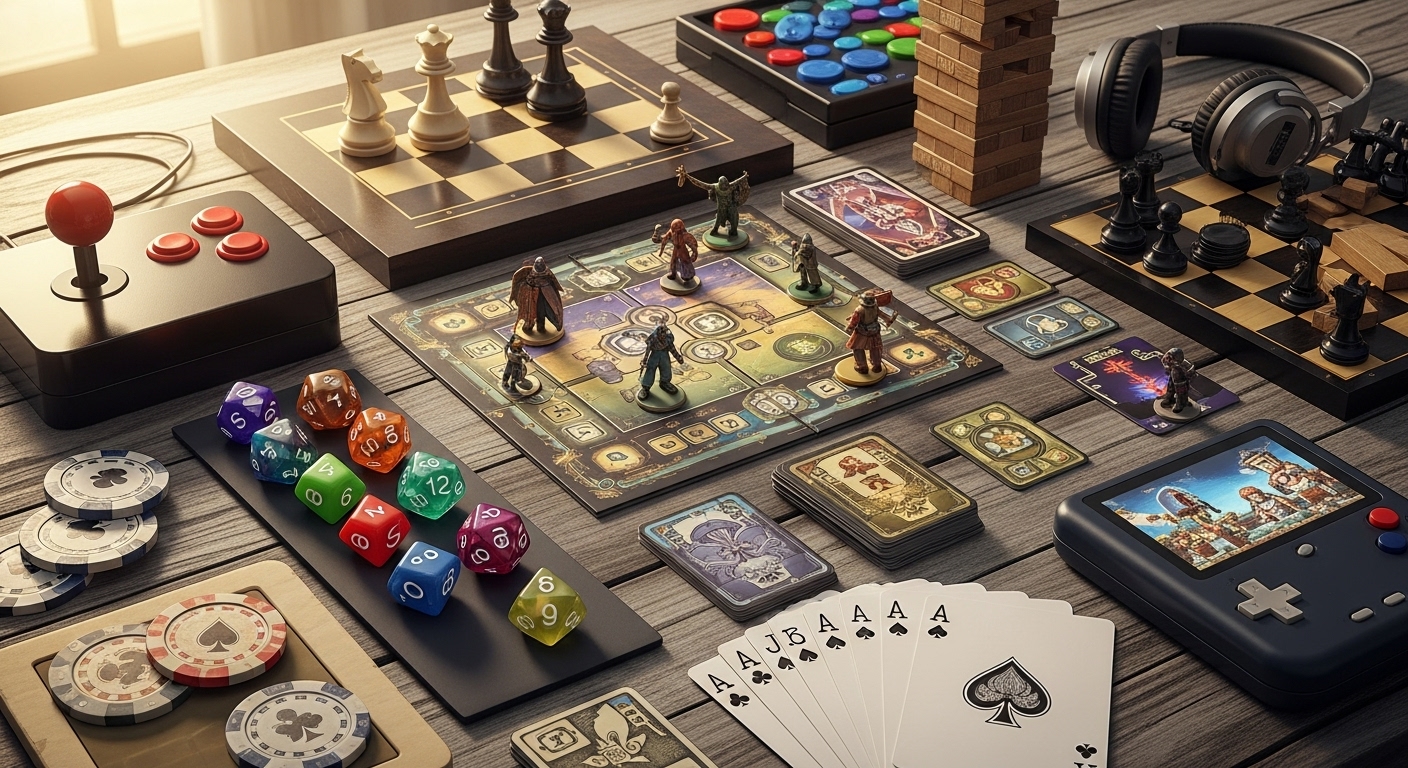
Gaming is a vast and diverse world that caters to nearly every interest, skill level, and demographic. Whether digital or physical, games can be classified into various categories. Let’s take a closer look at some of the most prominent types of games.
Board Games
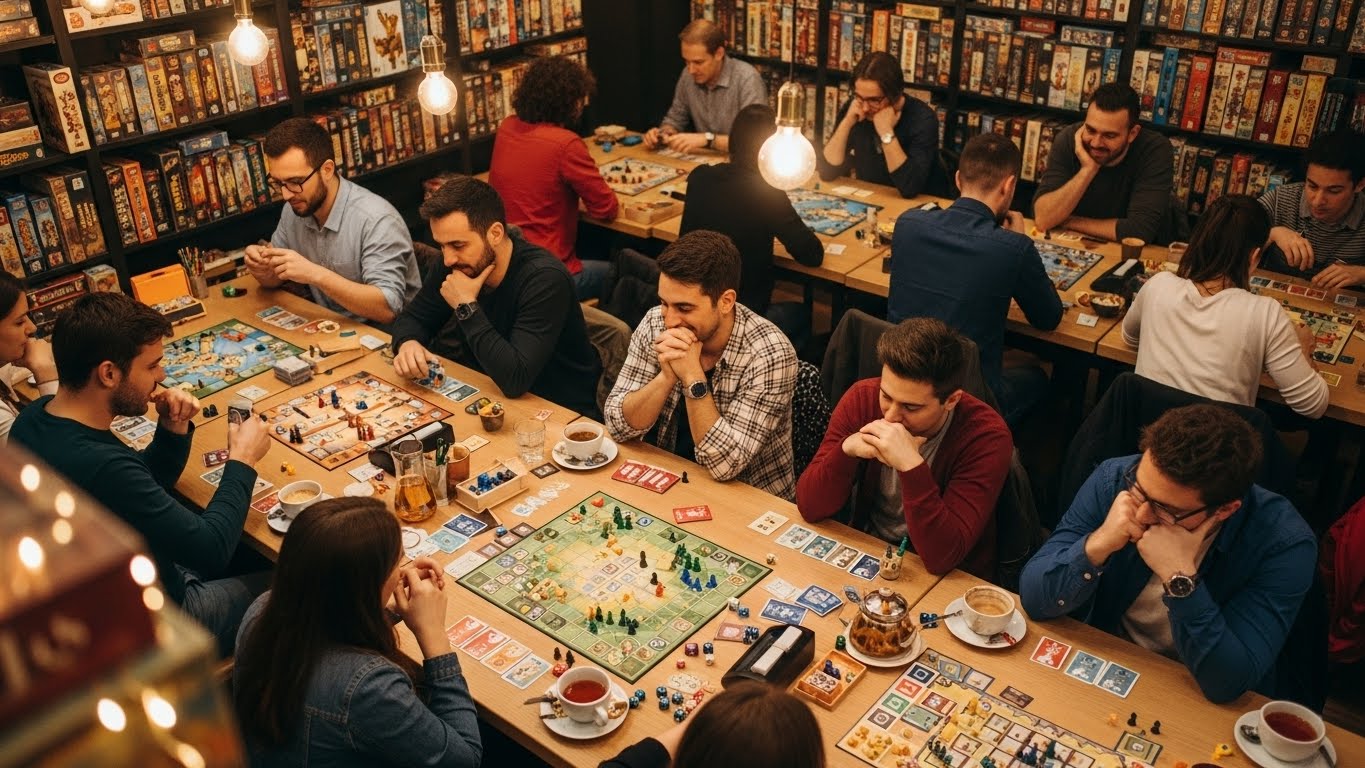
Board games are some of the oldest and most enduring forms of gaming. From the ancient game of Senet to the modern classics like “Monopoly” and “Scrabble,” board games offer players a chance to engage with each other face-to-face. These games often combine strategy, luck, and social interaction. Classic board games like “Risk” or “Clue” are staples in many households, and their enduring popularity speaks to the simple joy of gathering around a table to play.
In recent years, board games have enjoyed a resurgence, thanks to modern design innovations. Games like “Catan,” “Ticket to Ride,” and “Pandemic” have introduced new mechanics and storytelling elements, attracting both new and veteran gamers alike. These games continue to offer unique, offline experiences in a world dominated by digital entertainment.
Card Games
Card games are another staple of gaming history, with origins tracing back centuries. Games like “Poker,” “Bridge,” and “Blackjack” have long been associated with gambling, but card games have also been a form of social entertainment. More casual games like “Uno” and “Go Fish” are popular among families and friends, while strategy-based card games like “Magic: The Gathering” and “Hearthstone” have found large communities.
The growth of digital card games, particularly in the form of online platforms, has expanded the reach of card-based gaming. Mobile apps have made it easier for players to engage in card games virtually, with platforms like “PokerStars” or “GGPoker” offering a space for players to compete globally.
Video Games
Video games are undoubtedly the most dominant form of gaming in the modern era. With their immersive graphics, rich narratives, and complex mechanics, video games have evolved into an art form and a source of entertainment for millions. From single-player experiences like “The Witcher 3” to massive multiplayer online games (MMOs) like “World of Warcraft” or “Fortnite,” video games are diverse in both genre and audience.
Action, adventure, puzzle, role-playing, sports, and simulation games are just a few of the categories that players can explore. The development of virtual reality (VR) and augmented reality (AR) games has added a new layer of immersion, allowing players to physically engage with digital worlds. VR games like “Beat Saber” and “Half-Life: Alyx” are pushing the boundaries of how we experience gaming, offering unparalleled levels of interaction and engagement.
Sports and Esports
Traditional sports have long been associated with games, with physical activities like soccer, basketball, and tennis forming the backbone of global culture. However, in recent years, esports—competitive video gaming—has emerged as a new form of sports entertainment. Esports tournaments, featuring games like “League of Legends,” “Dota 2,” and “Counter-Strike,” now draw in millions of viewers and offer massive prize pools.
Esports has become a multi-million-dollar industry, with professional gamers competing for titles in front of live audiences and streaming platforms like Twitch. The popularity of esports has led to the establishment of professional teams, coaches, and sponsorships, akin to traditional sports leagues like the NBA or NFL.
The Benefits of Playing Games
Games are often seen merely as entertainment, but their benefits go far beyond simple amusement. Numerous studies have shown that gaming can enhance cognitive abilities, improve problem-solving skills, and increase creativity. Games also promote social interaction, teamwork, and emotional resilience.
Cognitive Benefits
Many games, especially strategy games, require players to think critically and make quick decisions. This helps improve cognitive functions such as memory, attention, and decision-making skills. Puzzle games, role-playing games (RPGs), and strategy games all require players to plan, analyze, and adapt, which sharpens the brain’s ability to think under pressure.
Social Benefits
Gaming is a social activity, even when played in digital spaces. Online multiplayer games foster communication, cooperation, and competition among players. Many of today’s most popular games require teamwork to succeed, whether it’s coordinating with teammates in “League of Legends” or strategizing together in “Fortnite.”
Moreover, the rise of esports and online communities has brought gamers together in a global network of shared interests and experiences. For many, gaming is a way to make friends and find like-minded individuals across the world.
Emotional Benefits
Games can offer an escape from reality, providing a space for emotional catharsis. Video games, particularly those with deep narratives, allow players to experience stories and emotions that resonate on a personal level. Games like “The Last of Us” or “Journey” have been praised not only for their gameplay but for their emotional depth and storytelling. They can evoke feelings of joy, sadness, frustration, and triumph, creating an emotional connection that few other forms of entertainment can match.
The Future of Gaming
As technology continues to evolve, the future of gaming is both exciting and unpredictable. The rise of virtual reality (VR) and augmented reality (AR) promises to offer even more immersive experiences, transporting players to completely new worlds. With the development of AI and machine learning, games will become more adaptive, with characters and environments that respond dynamically to a player’s actions.
Cloud gaming is another area with tremendous potential. Services like Google Stadia and Microsoft’s Xbox Cloud Gaming allow players to stream games without the need for high-end hardware, making top-tier gaming more accessible. As internet speeds continue to improve and the global infrastructure for cloud services expands, gaming will become more universal, allowing players to connect and compete on a global scale.
Moreover, the integration of blockchain technology and NFTs (non-fungible tokens) in gaming is changing how players interact with virtual economies. This could lead to new forms of ownership and in-game transactions, creating a decentralized and player-driven ecosystem.
Conclusion: Games as a Window to New Worlds
Games have been with us for centuries, and their ability to adapt and evolve is what ensures their continued relevance in the future. From board games to video games, from local competitions to global esports tournaments, games have remained a universal form of entertainment and expression.
As gaming continues to innovate with new technologies like VR, AI, and blockchain, it will only become more immersive, interactive, and integral to our daily lives. Whether for cognitive growth, social connection, or pure entertainment, games offer an endless array of possibilities for the future, making them more than just a pastime—but an essential part of the human experience. The world of games is vast, dynamic, and full of promise, and we are only scratching the surface of what is possible.