Introduction: The Power of Play
Games have existed for as long as humanity itself. From ancient civilizations playing board games as a form of social interaction to the rise of high-tech digital games that offer immersive virtual worlds, the evolution of games mirrors the growth of human culture, creativity, and technology. Games are not just a pastime but an essential aspect of human existence, shaping how we learn, socialize, compete, and entertain ourselves.
In this blog post, we will explore the history of games, the different types that have emerged over the centuries, the benefits of playing games, and what the future of gaming holds. Whether you’re a casual gamer or a seasoned professional, understanding the world of games can give you a deeper appreciation for this incredible form of human expression.
The Origins of Games: From Ancient Civilizations to Early Entertainment
Games are far from a modern invention. In fact, they date back to ancient times, with evidence of early games found in archaeological sites around the world. The oldest known board game, Senet, was played in ancient Egypt as early as 3100 BCE. It wasn’t just a game for entertainment, but a spiritual experience that was believed to represent the journey of life and death. The ancient Egyptians also enjoyed dice games, which were associated with luck and fate.
Throughout history, games were often a form of social bonding, intellectual challenge, and even a reflection of the values of a particular culture. The Greeks and Romans enjoyed various types of games, from dice games and chariot races to gladiatorial combat, which evolved into more formalized forms of competition. The medieval period also saw the development of chess, which originated in India in the 6th century and spread throughout Europe, becoming a game of strategy and intellect.
Games continued to evolve in the 19th century with the advent of mass-produced board games. Monopoly, Scrabble, and Risk became household staples, providing families with a way to spend time together and engage in friendly competition. These games set the stage for the digital games that would dominate the late 20th and 21st centuries.
The Birth of Video Games: A New Era of Entertainment
The 20th century saw a massive shift in the world of games, with the advent of technology and the rise of video games. In the 1970s, arcade games such as Pong and Space Invaders introduced a new form of entertainment that was interactive and required quick reflexes and hand-eye coordination. These early games were simple by today’s standards but sparked a revolution in the entertainment industry.
The 1980s and 1990s saw the rise of home consoles such as the Nintendo Entertainment System (NES) and Sega Genesis, as well as the development of personal computers. With the advent of more powerful technology, video games became more sophisticated, with games like Super Mario Bros., The Legend of Zelda, and Tetris offering players exciting new worlds to explore.
By the late 1990s and early 2000s, the internet had opened up a whole new dimension of gaming. Online multiplayer games like World of Warcraft and Counter-Strike allowed players to connect and compete in real-time, creating communities and rivalries that spanned the globe. The digital revolution also paved the way for the rise of mobile gaming, making gaming accessible to a broader audience than ever before.
Types of Games: Exploring the Many Facets of Play
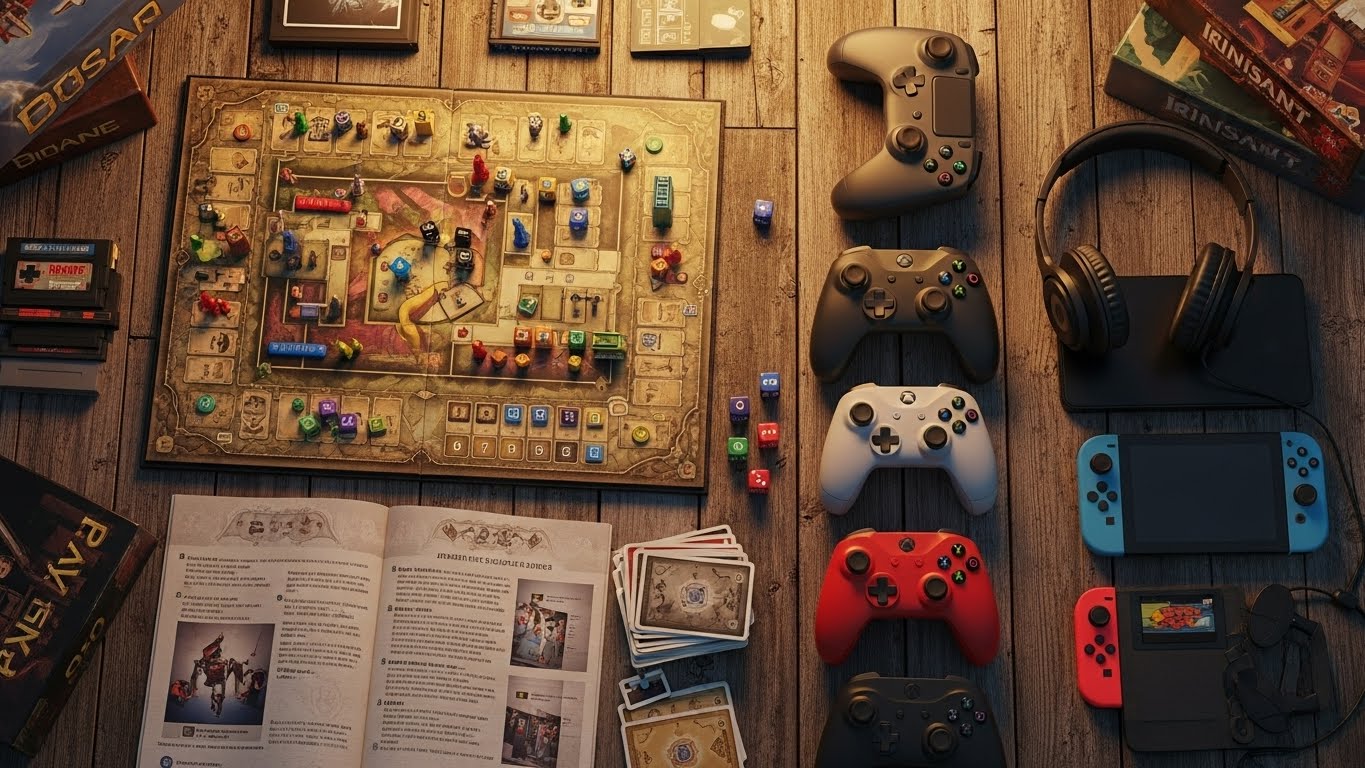
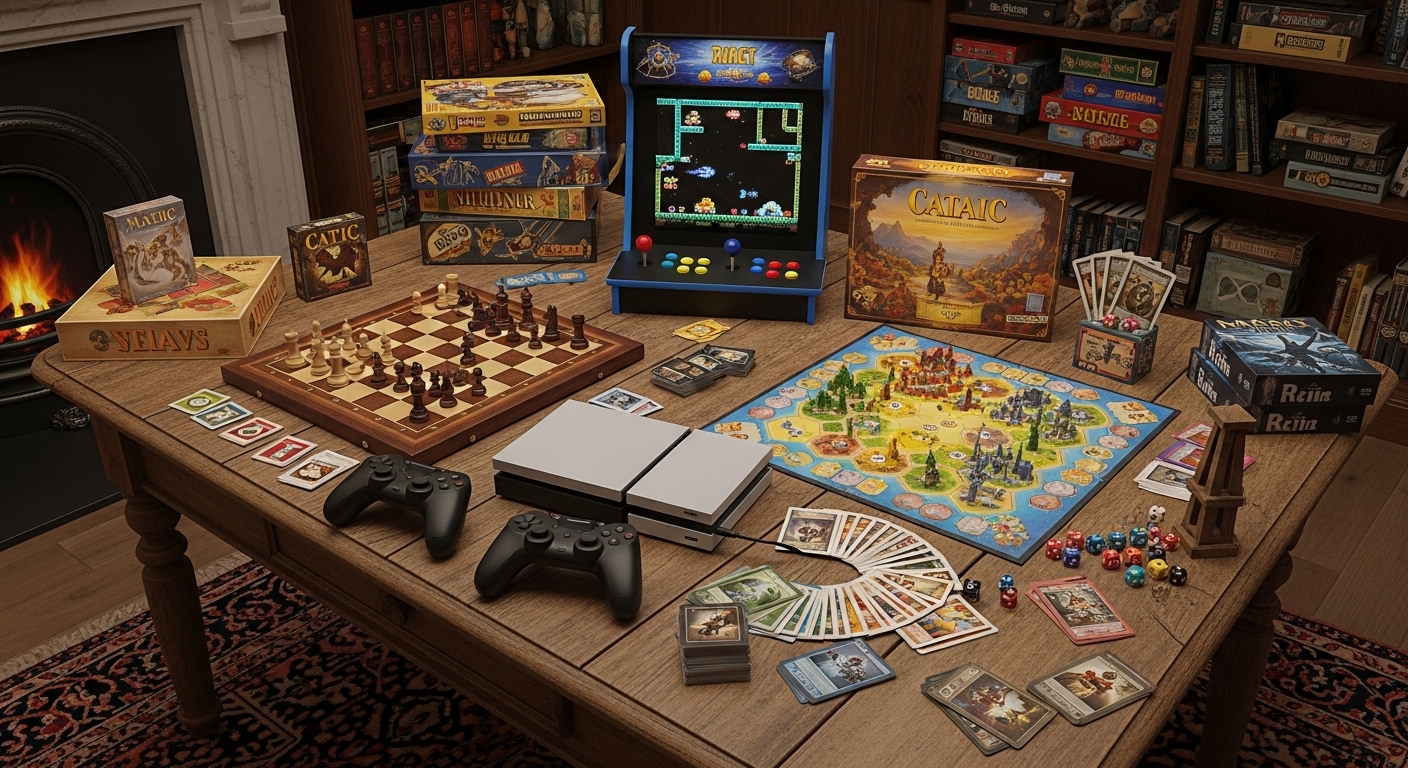
The world of games is vast, with countless genres and formats to choose from. From board games to mobile games, the options are virtually limitless. Below, we explore some of the most popular types of games and what makes them unique.
Board Games: Social Entertainment at Its Core
Despite the rise of digital gaming, board games remain a popular form of entertainment. Games like Monopoly, Catan, Clue, and Pandemic are still enjoyed by millions of people worldwide. The beauty of board games lies in their simplicity and the opportunity they provide for social interaction. Players sit around a table, engage in conversation, and often rely on strategy, luck, and teamwork to succeed.
In recent years, the board game industry has experienced a resurgence, with innovative new games pushing the boundaries of traditional gameplay. Games like Gloomhaven, Ticket to Ride, and Exploding Kittens have introduced fresh mechanics and new ways to interact with friends and family. These games continue to be an essential part of the gaming landscape, offering a tactile, social experience that digital games cannot replicate.
Card Games: A Blend of Strategy and Luck
Card games have been played for centuries, and they remain an integral part of the gaming world. Classic games like Poker, Bridge, and Blackjack have become synonymous with casinos and gambling, while other games like Rummy, Uno, and Hearts are casual favorites for family gatherings and parties.
In the modern era, collectible card games (CCGs) like Magic: The Gathering and Yu-Gi-Oh! have taken card-based gaming to new heights. These games combine strategy with the thrill of collecting, creating a dynamic experience where players can customize their decks and engage in intense battles with others.
The digital version of card games, such as Hearthstone and Legends of Runeterra, has brought card gaming into the online world, allowing players to compete against others in real-time. These digital card games have become a staple of esports, with large tournaments and prize pools attracting millions of viewers and players.
Video Games: A Digital Playground of Infinite Possibilities
Video games are perhaps the most popular and diverse form of gaming today. With the rise of powerful gaming consoles, personal computers, and mobile devices, players have access to an array of experiences that range from fast-paced action to intricate role-playing games (RPGs).
Action-adventure games, such as The Legend of Zelda and Uncharted, offer thrilling gameplay combined with exploration and puzzle-solving. Role-playing games (RPGs), such as Final Fantasy and The Witcher 3, provide players with rich narratives, complex characters, and vast, open worlds to explore. First-person shooters (FPS) like Call of Duty and Overwatch focus on fast-paced combat and team strategy.
Online multiplayer games, such as Fortnite, Minecraft, and League of Legends, have created global communities of players who compete, collaborate, and form friendships across continents. These games have become cultural touchstones, influencing everything from fashion to music to social trends.
Mobile Games: Gaming on the Go
Mobile gaming has exploded in popularity in recent years, thanks to the widespread adoption of smartphones and tablets. Games like Candy Crush Saga, Clash of Clans, and Pokémon GO have captivated millions, offering simple yet addictive gameplay that can be enjoyed in short bursts.
Mobile games are accessible, affordable, and often free to play, making them appealing to a broad audience. Some mobile games offer in-app purchases, while others generate revenue through advertising. The convenience of mobile gaming allows players to indulge in their favorite pastimes anywhere, whether they are commuting, waiting in line, or relaxing at home.
Esports: Competitive Gaming as a Spectator Sport
Esports, or competitive video gaming, has grown into a multi-billion-dollar industry. Games like League of Legends, Dota 2, and Counter-Strike: Global Offensive have become mainstays of competitive gaming, with professional teams, tournaments, and sponsorships drawing millions of viewers from around the world.
Esports is unique because it blends the excitement of traditional sports with the immersive experience of video games. Players train for years to compete at the highest level, and fans follow their favorite teams and players as they battle for global dominance. Major tournaments like The International and League of Legends World Championship attract huge crowds and offer prize pools worth millions of dollars.
The Benefits of Playing Games: More Than Just Fun
While games are often seen as mere entertainment, they offer a wide range of benefits beyond simple enjoyment. Playing games can improve cognitive skills, promote social interaction, and even benefit mental health.
Cognitive Benefits
Games require players to think critically, plan ahead, and solve problems. Strategy games like Chess, Go, and Civilization challenge players to think several moves ahead, improving their ability to anticipate and adapt. Puzzle games, such as Tetris and Portal, enhance spatial awareness and problem-solving abilities.
Research has shown that certain types of video games can improve brain function, including memory, attention, and decision-making. Action games, for example, have been shown to enhance hand-eye coordination and reaction time, while role-playing games (RPGs) and adventure games can improve empathy and social skills.
Social Benefits
Games are inherently social. Whether you’re playing a board game with friends, teaming up in a multiplayer game, or competing in esports tournaments, games provide opportunities to connect with others. Online multiplayer games, in particular, have fostered global communities, allowing players to build friendships, form teams, and collaborate across vast distances.
Games also provide a sense of achievement and belonging. Many people find a sense of purpose and camaraderie in gaming communities, where they can share their passion and support one another. This sense of community can be especially important for people who may feel isolated or disconnected from their offline social circles.
Mental Health Benefits
Gaming can offer a healthy escape from the stresses of daily life. For some, games provide a form of relaxation, allowing players to unwind and focus on something enjoyable. Role-playing games, especially those with strong narratives, can be particularly therapeutic, offering players a chance to explore different aspects of their identity or process difficult emotions.