Introduction: Games as a Pillar of Modern Entertainment
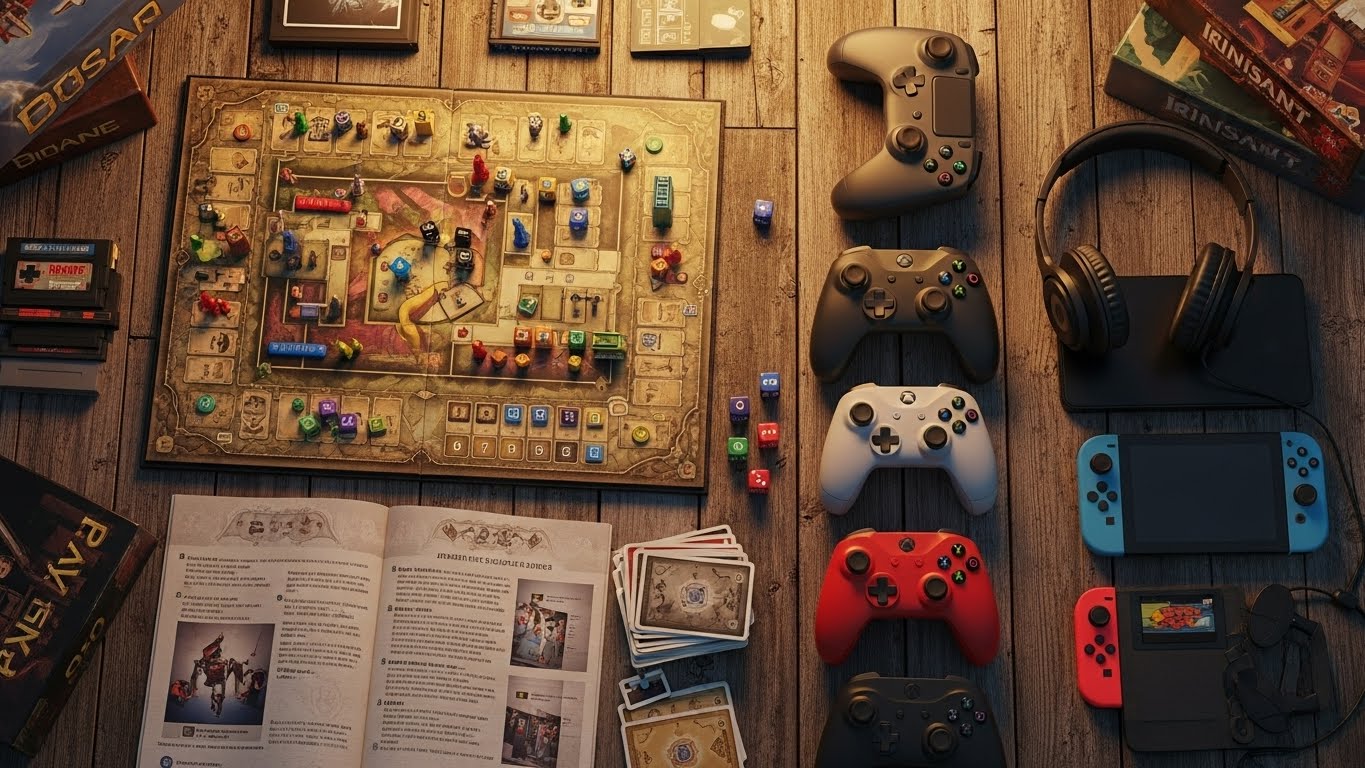
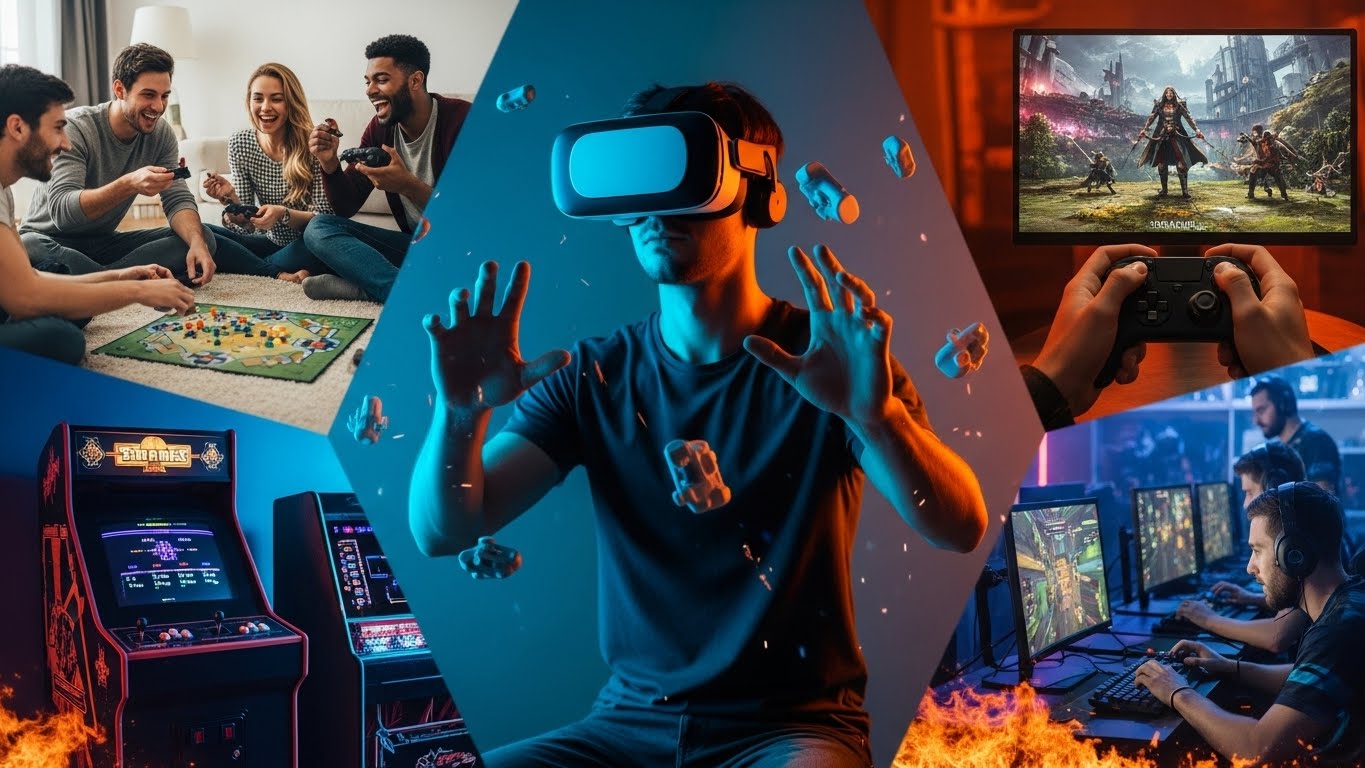
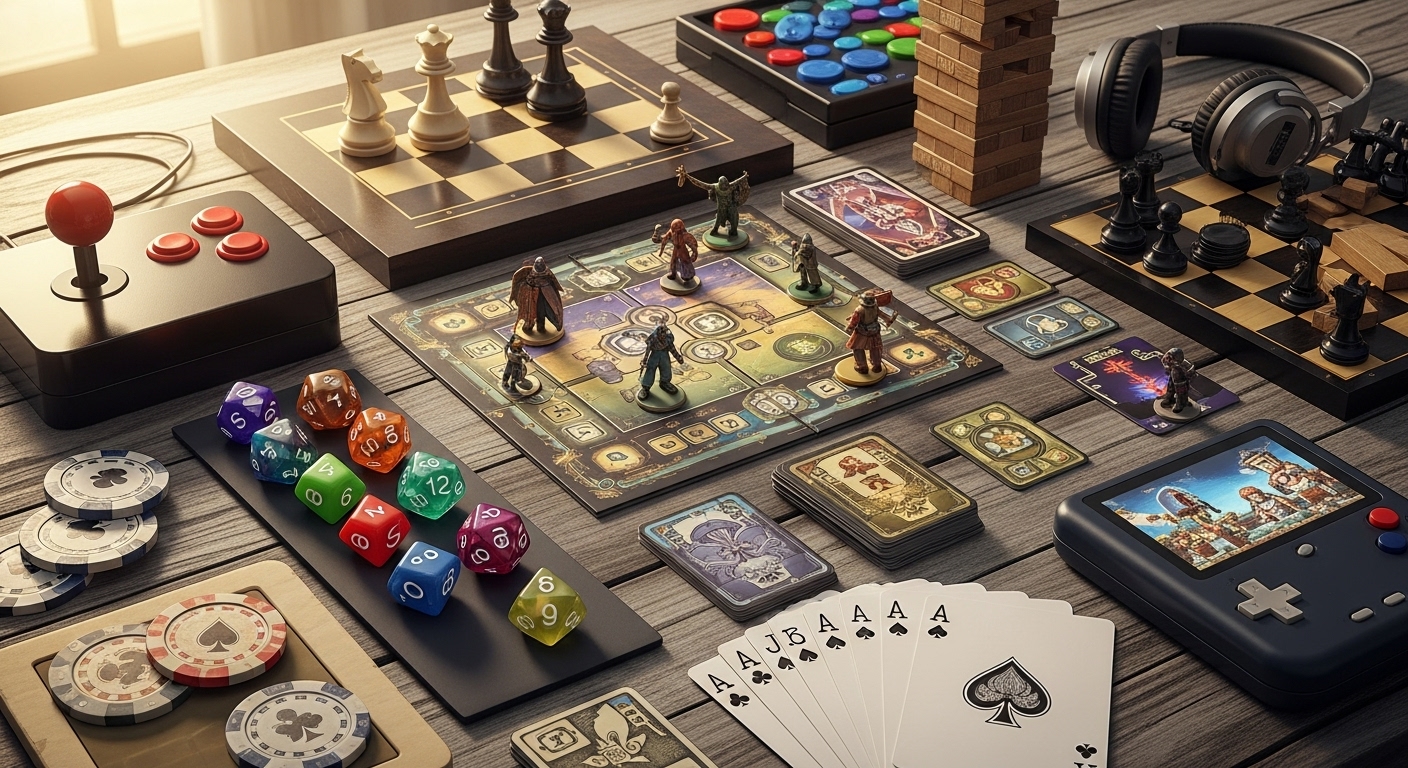
Games have been a fundamental aspect of human culture for centuries. From traditional board games and physical sports to modern video games and mobile applications, games provide a unique blend of entertainment, competition, and social engagement. In today’s digital era, games have evolved beyond simple pastimes to become immersive experiences that shape culture, technology, and social interactions. They offer ways for people to connect, learn, and express creativity, all while providing hours of enjoyment. This blog explores the diverse landscape of games, their cultural and cognitive impact, and how they are redefining entertainment in the modern world.
The Origins of Games: From Ancient Pastimes to Digital Adventures
The history of games dates back thousands of years. Ancient civilizations developed board games, strategy challenges, and physical competitions, often with educational, cultural, or social significance. Games like chess, mancala, and early dice games were more than entertainment—they trained the mind, encouraged strategic thinking, and built community connections.
With the advent of electronic technology, games transitioned from physical forms to digital platforms. Early computer games, arcade machines, and home consoles introduced a new dimension of interaction, where players could immerse themselves in virtual worlds. This shift marked the beginning of modern gaming as a global phenomenon.
Video Games: Transforming Entertainment
Video games revolutionized the concept of play by providing immersive, interactive experiences. Classic titles such as Pac-Man, Super Mario, and Tetris demonstrated the potential of digital games to captivate audiences while delivering challenging and engaging gameplay. Over time, games evolved with technological advancements, offering more sophisticated graphics, realistic sound, and intricate storylines.
Modern video games combine visual artistry, storytelling, and gameplay mechanics to create rich experiences. Players are no longer passive observers; they actively shape outcomes through decisions, skill, and strategy, making games a deeply engaging form of entertainment.
Gaming as an Interactive Storytelling Medium
Games are uniquely positioned as a medium for storytelling. Unlike traditional entertainment forms such as books or movies, games give players agency within the narrative. Role-playing games, adventure games, and simulation titles allow players to explore worlds, make decisions, and experience consequences.
This interactivity creates a stronger emotional connection. Players feel invested in characters and plots because their actions directly influence the outcome. Through games, storytelling becomes a participatory experience, offering immersion and engagement that traditional media cannot match.
The Rise of Competitive Gaming and Esports
Competitive gaming, or esports, has transformed games into spectator events and professional careers. Players and teams compete in tournaments for global audiences, with popular titles such as League of Legends, Dota 2, Fortnite, and Counter-Strike at the forefront.
Esports highlights that gaming is not merely a pastime—it requires skill, strategy, and teamwork. Professional players train rigorously, coaches analyze gameplay, and fans follow competitions with the same passion as traditional sports. The emergence of esports demonstrates the growing legitimacy of games as both entertainment and professional pursuit.
The Social Dimension of Games
Games foster social interaction in unique ways. Multiplayer games, cooperative challenges, and online communities allow players to collaborate, compete, and communicate. Social engagement within games builds friendships, teamwork, and leadership skills.
Even single-player games contribute to community through discussion forums, fan content, and streaming. Sharing strategies, achievements, and experiences enhances the overall gaming experience, creating a rich social ecosystem around games that extends far beyond the screen.
Mobile Gaming: Entertainment on the Go
The proliferation of smartphones has made mobile gaming a dominant force in the industry. Mobile games provide convenience, accessibility, and a wide range of genres, from casual puzzles to competitive strategy games.
Mobile gaming has expanded the demographic reach of games, attracting casual players, young audiences, and even older gamers. The portability and instant access to gameplay have made mobile games a seamless part of daily entertainment, allowing players to engage anytime and anywhere.
Technological Innovations in Gaming
Technology drives innovation in games, shaping how players experience entertainment. Advances in graphics, artificial intelligence, virtual reality, and augmented reality have transformed games into immersive, interactive experiences.
Virtual reality games allow players to step into fully realized worlds, while augmented reality overlays digital elements onto physical spaces, blending the virtual and real. Artificial intelligence enhances gameplay by creating dynamic challenges and responsive opponents. These technological advancements ensure that games remain fresh, engaging, and increasingly immersive.
Cognitive and Educational Benefits of Games
Games offer more than entertainment—they can enhance cognitive abilities and learning. Strategy games improve critical thinking, planning, and decision-making skills. Puzzle games foster pattern recognition and problem-solving. Simulation and role-playing games can teach real-world concepts, historical events, and social interactions in interactive ways.
Gamification in education demonstrates that game-based learning increases engagement, motivation, and retention. By combining entertainment with cognitive development, games provide meaningful experiences that stimulate the mind while offering enjoyment.
Diversity in Game Genres
The gaming landscape offers an extensive variety of genres, ensuring that there is something for every type of player. Action games provide fast-paced excitement, adventure games focus on exploration and storytelling, strategy games test planning and foresight, and simulation games allow creative experimentation.
This diversity keeps the industry vibrant and accessible. Developers continuously experiment with mechanics, narratives, and interactive features, ensuring that players have new experiences to explore. The variety also allows gaming to cater to multiple skill levels, interests, and cultural preferences.
Cultural Impact of Games
Games have become a significant cultural force. They inspire movies, music, fashion, and merchandise, often creating iconic characters and stories that resonate across generations. Popular games influence social trends, digital culture, and even communication patterns.
Beyond entertainment, gaming fosters creativity through content creation, streaming, modding, and fan communities. Players contribute to a shared culture, making gaming an influential and participatory part of modern society.
Emotional Engagement and Psychological Benefits
Games offer unique emotional experiences. They create challenges that evoke excitement, suspense, joy, and empathy. Completing levels, solving puzzles, or winning competitions provides a sense of accomplishment and personal satisfaction.
Games also serve as stress relief and emotional outlets. Immersion in a game world allows players to escape daily pressures, engage creatively, and experience enjoyable challenges. This emotional connection makes gaming a deeply rewarding form of entertainment.
The Future of Gaming
The future of games promises even greater innovation and interactivity. Cloud gaming, virtual reality, augmented reality, and artificial intelligence will transform the player experience, offering immersive worlds, personalized content, and interactive storytelling.
Games will continue to blur the lines between social interaction, competition, and entertainment. As technology advances, the possibilities for innovation are limitless, and games will remain at the forefront of digital culture and human connection.
Conclusion: Games as a Central Part of Life
Games have evolved from simple pastimes to complex, immersive forms of entertainment that shape culture, social interactions, and cognitive development. From ancient board games to high-tech virtual reality experiences, they continue to engage millions of people worldwide.
Whether through storytelling, competition, social engagement, or cognitive challenges, games provide diverse, meaningful, and enjoyable experiences. As technology and creativity advance, games will continue to transform entertainment, offering new ways for people to connect, learn, and enjoy themselves.