Introduction to the Universal Language of Games
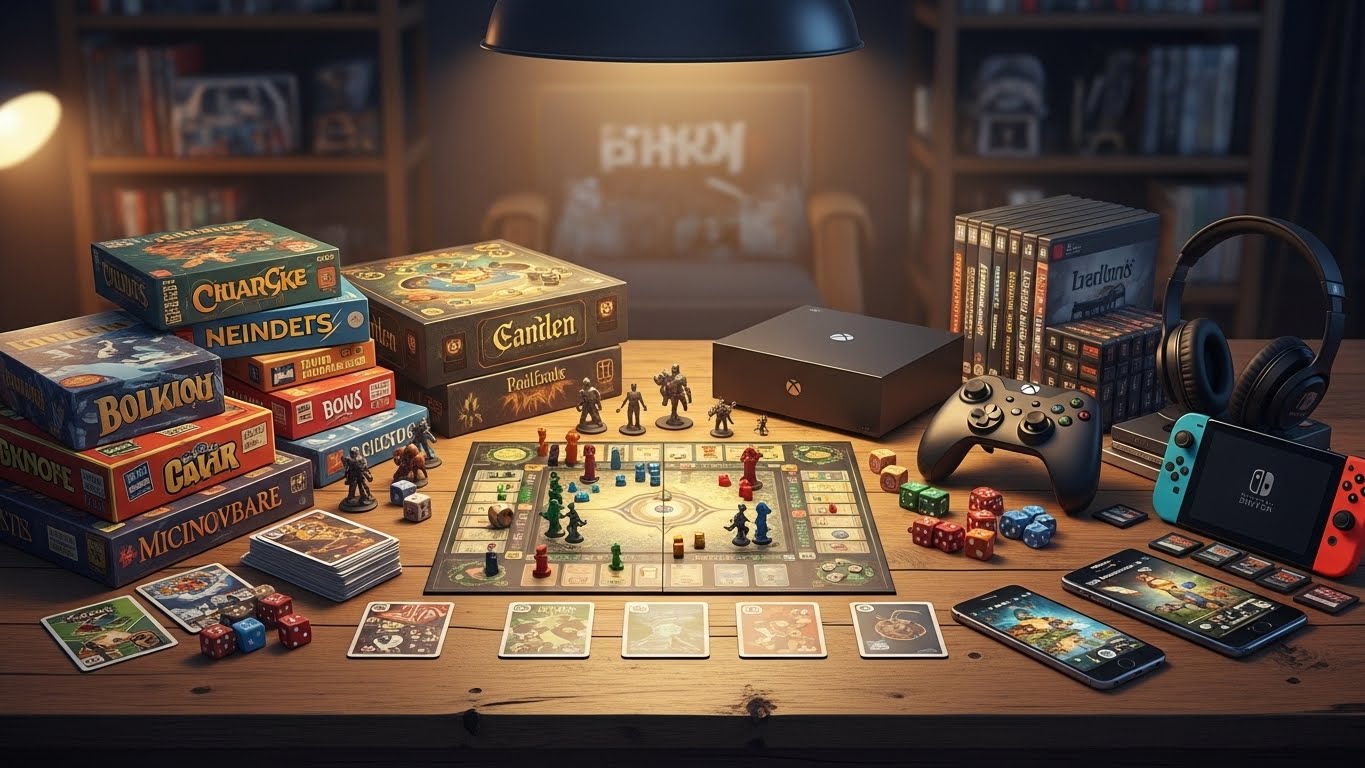
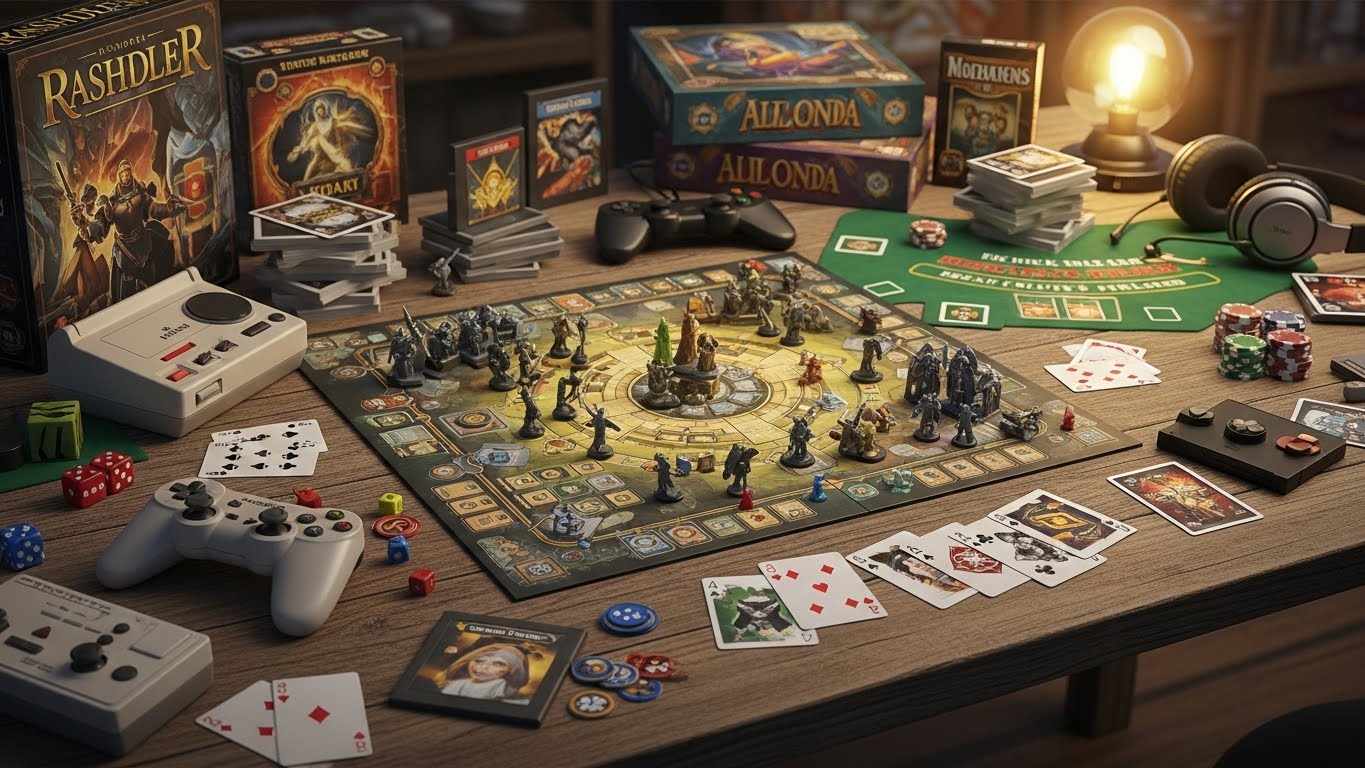
Games have been part of human culture long before technology came into the picture. From traditional board games played in ancient civilizations to complex digital worlds crafted by programmers today, games have always served as a bridge connecting people, stimulating imagination, and offering entertainment across generations. The world of games has expanded tremendously, evolving into a multifaceted universe with genres, platforms, and communities that continue to grow each year. Whether someone enjoys a quiet strategy game, a fast-paced action adventure, or an immersive role-playing narrative, games today offer endless possibilities for fun, learning, and creativity.
The Evolution of Games from Simple Pastimes to Global Phenomena
Before digital screens dominated entertainment, games were primarily physical activities such as chess, checkers, card games, and outdoor play. These earlier forms encouraged mental agility, strategy, social bonding, and friendly competition. As time progressed, the invention of computers and consoles shifted the landscape dramatically. The launch of early arcade machines introduced an era of electronic fun that captivated millions. Soon after, home consoles arrived, making gaming accessible to families around the world. Today, games are not just a pastime but a global industry with millions of players, professional competitions, and dedicated communities.
Modern Game Genres and What Makes Each One Special
Gaming has diversified into countless genres, each offering unique mechanics and experiences. Understanding these genres gives insight into why games appeal to such wide audiences.
Action Games
Action games focus on speed, reflexes, and precision. Players navigate fast-paced environments where success depends on timing and quick decision-making. These games keep players on the edge of their seats with intense levels and challenging enemies.
Adventure Games
Adventure titles emphasize storytelling, exploration, and puzzle-solving. Players step into the shoes of heroes, detectives, or explorers, uncovering mysteries and experiencing emotional narratives that unfold throughout gameplay.
Role-Playing Games
Role-playing games allow players to embody characters in expansive worlds filled with quests, choices, and customization. These games are known for immersive storytelling, character development, and complex worlds that encourage exploration and creativity.
Strategy Games
Strategy games challenge the mind with tactical planning and resource management. Players must think ahead and adapt to changing situations, whether they are commanding armies or building civilizations. These games reward patience, problem-solving, and analytical thinking.
Simulation Games
Simulation titles replicate real-world systems or everyday life experiences. Players can manage cities, operate farms, fly aircraft, or run businesses. These games provide a sense of control and creativity, allowing players to design and experiment freely.
Sports and Racing Games
Sports games bring traditional athletics to digital platforms, allowing players to compete in football, basketball, racing, and more. They recreate real competitions through realistic gameplay and fast-paced action.
The Rise of Mobile Gaming and Its Cultural Impact
Mobile gaming has transformed the gaming landscape by making entertainment accessible anywhere. With smartphones in almost every pocket, people can play games during commutes, breaks, or at home. Mobile games often feature simple mechanics suitable for casual players, yet many offer deep and complex gameplay for dedicated users. This accessibility has made gaming more inclusive, drawing in audiences who never considered themselves gamers before. Mobile gaming has reshaped habits, turning short daily moments into opportunities for fun and relaxation.
The Social Dimension of Games and Building Communities
Games today are more social than ever. Multiplayer platforms allow friends and strangers to connect across countries and cultures. Whether cooperating as a team or competing head-to-head, players form bonds that often extend beyond the digital world. Online communities dedicated to specific games discuss strategies, share experiences, and support newcomers. This social aspect makes gaming not just an individual hobby but a shared activity that fosters collaboration and friendship. For many, games provide a sense of belonging in a global community.
The Educational Benefits of Games and Learning Through Play
Contrary to outdated beliefs, games can be powerful educational tools. They stimulate problem-solving skills, encourage creativity, and improve cognitive abilities such as memory and focus. Strategy games enhance logical thinking, puzzle games improve analytical skills, and simulation games teach planning and organization. Many educational games are designed specifically to help children learn mathematics, language, and science through interactive challenges that make learning enjoyable. Even complex games not intended for education can teach teamwork, communication, and perseverance.
The Role of Creativity and Imagination in Games
One of the greatest strengths of games is their ability to ignite creativity. Sandbox and building games allow players to design structures, environments, and even entire universes. Role-playing games encourage imaginative storytelling and character creation. Many games provide tools for players to build their own levels or share user-generated content with the world. This creative freedom inspires players to think beyond conventional boundaries and express themselves through digital art, coding, and interactive design. Games become a canvas where imagination comes to life.
The Psychological Impact of Games on Emotion and Well-Being
Games can evoke a wide range of emotions. Excitement, curiosity, joy, fear, and satisfaction all contribute to the immersive experience. For many, games serve as stress relief, offering a way to escape daily pressures and unwind through engaging activities. Cooperative games help improve mood by fostering social interaction, while narrative-driven experiences allow players to explore emotional themes in a safe environment. However, like any form of entertainment, responsible gaming is essential. Balance ensures that games enhance well-being without becoming overwhelming.
Accessibility in Gaming and the Push for Inclusive Design
The gaming industry has made significant strides toward inclusivity. Developers now implement features that accommodate players with different abilities, such as customizable controls, subtitles, colorblind mode, and difficulty adjustments. These improvements allow more people to enjoy games regardless of their physical or cognitive challenges. Accessibility not only opens doors for new players but also demonstrates the industry’s commitment to ensuring everyone can experience the joy of gaming. The movement toward inclusive game design continues to grow and influence the future of the industry.
The Business of Games and Economic Growth
The global games industry has become a major economic force, generating millions of jobs and significant revenue. Developers, designers, writers, programmers, marketers, and customer support teams all contribute to the creation and distribution of games. The industry includes not just developers but also hardware manufacturers, retail shops, esports organizers, and streaming platforms. As technology advances, new career paths continue to emerge, offering exciting opportunities for individuals passionate about gaming. The financial success of the industry reflects its importance in modern entertainment and global culture.
The Future of Games and the Next Generation of Interactive Worlds
The future of games promises innovation beyond imagination. Advancements in virtual reality and augmented reality are creating more immersive environments where players can interact physically with digital worlds. Artificial intelligence is making games smarter, more adaptive, and more personalized. Cloud gaming is removing hardware limitations, allowing players to access high-quality games on any device. As technology evolves, games will become even more engaging, realistic, and interactive. The next generation of games may blend physical and digital experiences in ways never seen before.
Why Games Will Always Be a Part of Human Life
Games have held a timeless place in human history because they speak to our natural desire for fun, challenge, and connection. Whether digital or physical, games bring people together, spark creativity, and provide meaningful experiences. They evolve with society, reflecting cultural shifts and technological advancements. As new mediums emerge, games adapt and thrive, proving their versatility and enduring appeal. The future may change how we play, but the love for games will remain constant across generations.
Conclusion and Final Thoughts
The world of games is vast, dynamic, and constantly evolving. It stretches far beyond simple entertainment, influencing culture, education, social interaction, and technology. Games inspire creativity, foster connection, and provide experiences that stay in players’ memories long after the screen goes dark. As the industry continues to grow, games will remain a vital part of human expression and enjoyment. From traditional board games to next-generation virtual worlds, games will always offer a place where imagination thrives and adventure awaits.