
Introduction to Gaming
Games have been a cornerstone of human culture for thousands of years. From simple board games in ancient civilizations to immersive digital experiences in the modern era, games have evolved dramatically. They are not just a form of entertainment but a reflection of human creativity, strategy, and social interaction.
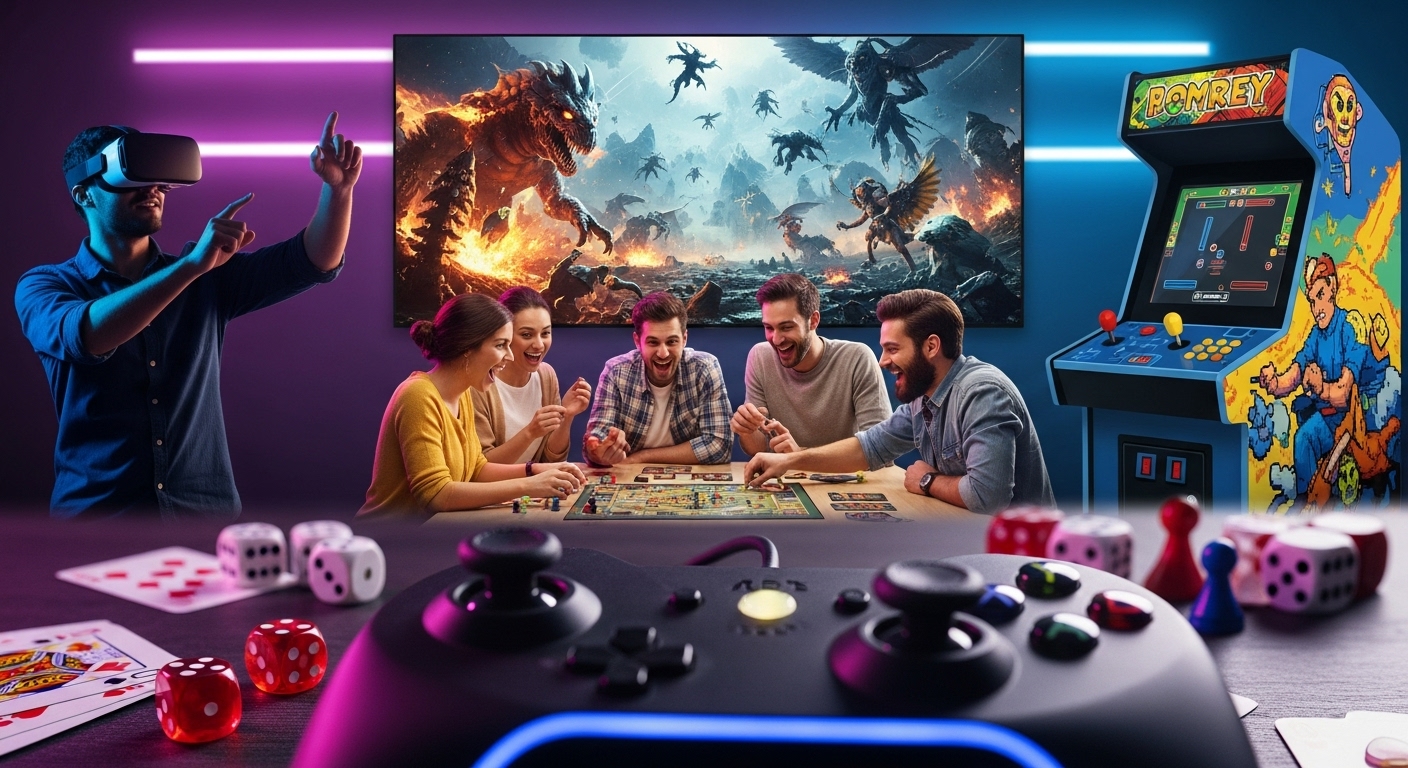
Gaming today encompasses a wide variety of forms, including board games, card games, video games, mobile games, and virtual reality experiences. Each form engages players differently, offering unique experiences based on skill, strategy, or chance. This blog explores the evolution of games, the types available, their cultural impact, technological advancements, and the future of gaming.
The History of Games
Games have existed since the dawn of civilization. Archaeological discoveries show that ancient Egyptians played Senet, a board game dating back over 5,000 years. Similarly, the Royal Game of Ur from Mesopotamia is one of the oldest known games, combining strategy and luck. These early games served both entertainment and educational purposes, teaching strategy, counting, and social skills.
During the Middle Ages, card games became popular in Europe. Games like Chess, Bridge, and Tarot cards offered strategic challenges and social interaction. Chess, in particular, symbolized intelligence and planning and has remained relevant throughout centuries.
The 20th century saw the emergence of modern video games. The release of Pong in the 1970s marked the beginning of digital gaming. Over the next decades, technological advances in computers, gaming consoles, and handheld devices transformed gaming into a global entertainment industry. Today, games span multiple platforms, genres, and audiences, combining storytelling, strategy, and immersive technology.
Types of Games
Games come in many forms, each offering a distinct experience.
Board Games
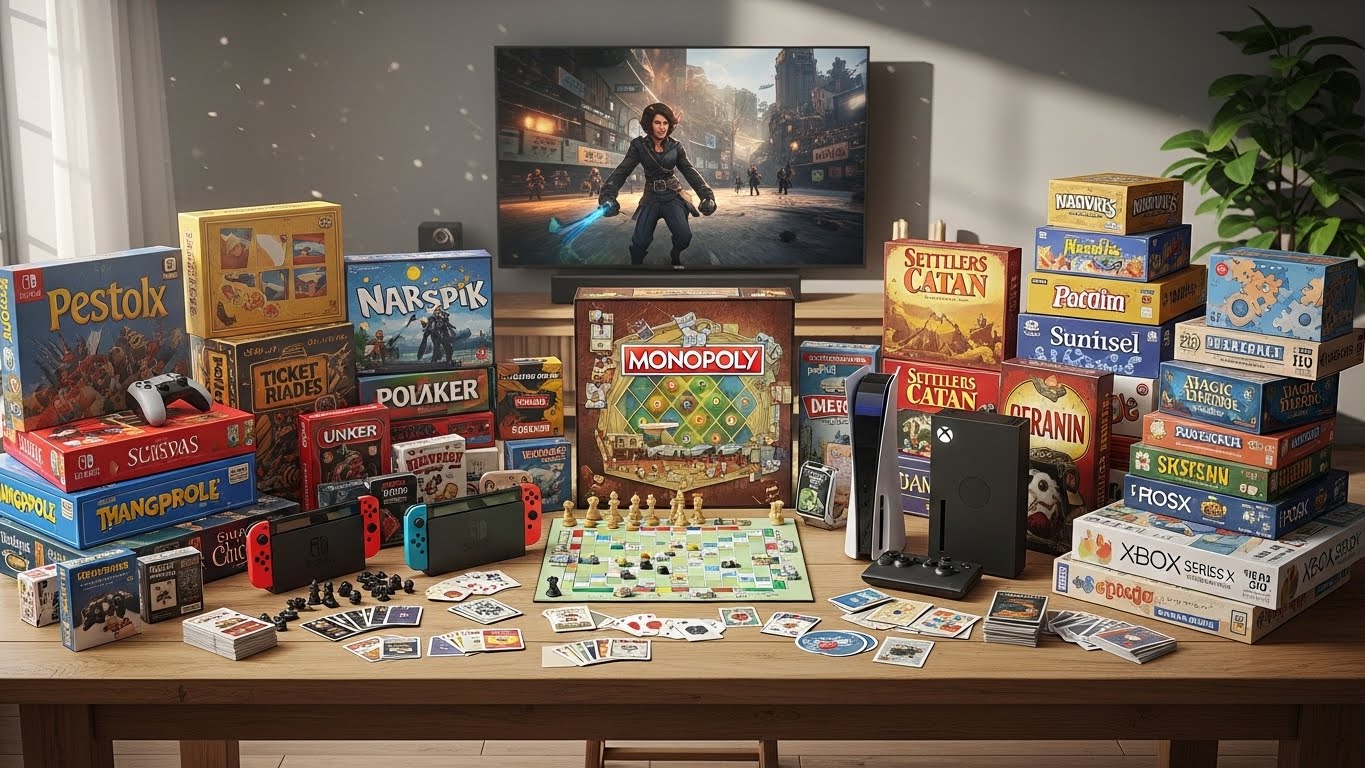
Board games are one of the oldest and most enduring forms of play. Classics like Monopoly, Scrabble, and Risk have entertained generations, while strategy-focused games like Settlers of Catan provide complex challenges. Board games encourage critical thinking, planning, and social interaction, making them popular for family gatherings and social events.
Card Games
Card games, whether traditional or collectible, have been popular for centuries. Poker, Bridge, Rummy, and Solitaire are classics that require skill, strategy, and probability assessment. Collectible card games, such as Magic: The Gathering and Pokémon, combine strategy with collection, fostering communities of competitive and casual players alike.
Video Games
Video games are the most prominent form of modern gaming. They span genres including action, adventure, role-playing, strategy, simulation, and sports. Video games offer immersive experiences that challenge the mind and entertain the player. Multiplayer online games allow players from around the world to interact, compete, and collaborate, creating global gaming communities.
Mobile Games
Mobile games have transformed gaming accessibility. Smartphones and tablets allow players to enjoy games anywhere, anytime. Popular mobile games like Candy Crush, Clash of Clans, and Pokémon Go have made gaming a daily activity for millions. Mobile games often include social features, encouraging interaction, teamwork, and competition.
Virtual Reality and Augmented Reality Games
Virtual reality (VR) and augmented reality (AR) have revolutionized gaming by creating fully immersive experiences. VR allows players to step into a completely digital world, interacting with environments and characters in real time. AR overlays digital elements onto the real world, combining reality with virtual content. Both technologies offer a unique, interactive way to play games, pushing the boundaries of traditional gaming.
The Cultural Impact of Games
Games are more than entertainment; they influence culture, education, social interaction, and even mental well-being.
Games as Cultural Artifacts
Games reflect the society in which they are created. They tell stories, explore historical events, and present moral dilemmas. Historical simulation games allow players to experience different eras, while fantasy games draw inspiration from mythology and literature. Games influence art, music, and popular culture, becoming a lens through which society examines itself.
Educational Benefits of Games
Games are effective educational tools. Many games improve cognitive skills such as problem-solving, memory, strategy, and decision-making. Educational games teach subjects like mathematics, science, and language in engaging ways. Even mainstream games often promote skills such as resource management, teamwork, and critical thinking.
Social Interaction and Community
Games foster social interaction. Multiplayer and online games connect players globally, encouraging teamwork, communication, and competition. Community features like chat functions, guilds, and tournaments create strong bonds between players. Games have become a platform for socializing and networking, forming friendships and communities that extend beyond the digital realm.
Mental Health and Wellbeing
Games can positively impact mental health when played responsibly. They provide stress relief, entertainment, and a sense of achievement. Puzzle and strategy games stimulate cognitive functions, while immersive adventure games offer relaxation and temporary escape. Balanced gameplay can enhance problem-solving abilities, creativity, and overall psychological well-being.
Technology Driving Modern Gaming
The gaming industry thrives on technological innovation, which continually enhances gameplay and player engagement.
Graphics and Animation
High-quality graphics and realistic animations are essential for immersive gameplay. Advances in rendering technology allow developers to create visually stunning environments, lifelike characters, and smooth gameplay, enhancing the overall player experience.
Artificial Intelligence
Artificial intelligence (AI) is integral to modern games. AI controls non-player characters, adapts difficulty levels, and creates dynamic game environments. It ensures that games are engaging, challenging, and responsive to the player’s actions, providing a personalized experience.
Online Connectivity
The internet has transformed gaming into a global activity. Online connectivity allows multiplayer gameplay, cloud-based streaming, and real-time interaction. Online games have given rise to competitive eSports, where players and teams compete internationally for recognition and prizes.
Virtual and Augmented Reality
VR and AR technology continues to redefine gaming experiences. VR immerses players in entirely digital environments, while AR blends digital content with the real world. These technologies allow for unprecedented interaction, creativity, and immersion, offering a new dimension to gaming.
The Business of Gaming
The gaming industry is a multi-billion-dollar global enterprise. Revenue streams include game sales, in-game purchases, subscriptions, and advertising. Developers, publishers, and hardware manufacturers all contribute to the ecosystem.
Game development is a creative and technical process, combining storytelling, design, and programming. Marketing, community management, and competitive events enhance player engagement. The industry’s growth is fueled by innovation, creativity, and the demand for interactive entertainment.
The Future of Gaming
The future of gaming promises continued innovation and expanded accessibility. Cloud gaming allows players to stream games without high-end hardware, while AI-driven content dynamically adapts to player behavior. VR and AR will become increasingly mainstream, offering immersive experiences to a wider audience.
Social and community-focused games will grow, emphasizing collaboration, interaction, and shared experiences. Inclusivity and diversity in game narratives and characters will reflect broader societal changes, empowering players to engage with diverse perspectives and stories. Mobile and cross-platform gaming will make games accessible to more people than ever before.
The intersection of gaming with other industries, such as education, fitness, and storytelling, will further expand the possibilities of gaming, transforming it into a versatile platform for entertainment, learning, and social engagement.
Conclusion
Games have evolved from simple pastimes to complex digital experiences that shape entertainment, culture, and society. They are not only a form of recreation but a medium for creativity, strategy, learning, and social interaction. Whether played on a board, a mobile device, or in a virtual reality environment, games connect people, challenge minds, and provide immersive experiences that entertain and inspire.
The gaming industry continues to grow rapidly, driven by technological innovation, creative storytelling, and the desire for shared experiences. As VR, AR, AI, and cloud technology continue to advance, the future of gaming will offer even more interactive, engaging, and inclusive experiences. Games will remain an integral part of human culture, inspiring and connecting players across generations and around the world.