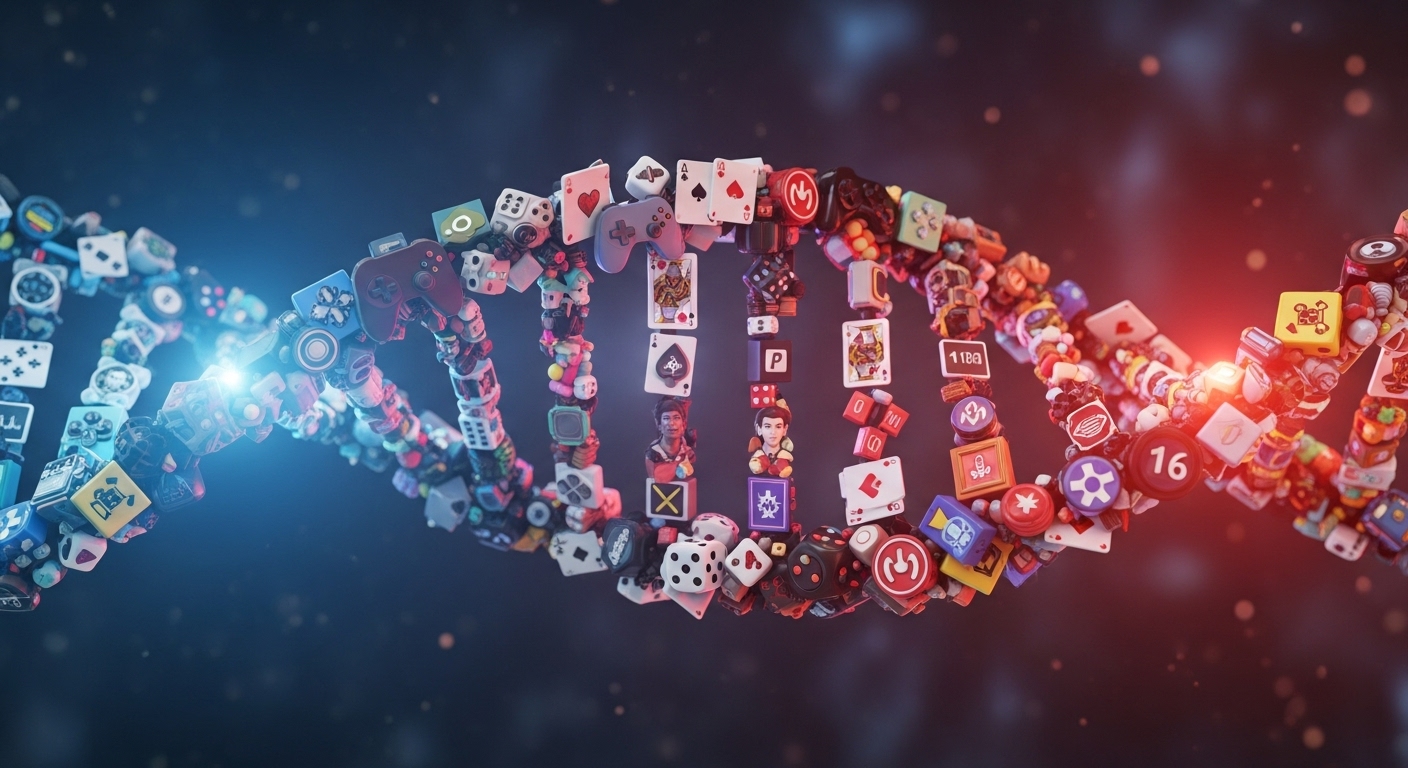

Introduction: The Universal Appeal of Games
Games have always been a cornerstone of human culture, transcending generations, cultures, and geographical boundaries. From ancient board games like Senet in Egypt to modern virtual reality experiences, games serve not only as a source of entertainment but also as a means of social interaction, cognitive development, and creative expression. Their appeal lies in the ability to transport players into a world where imagination meets challenge, where strategy intertwines with skill, and where stories are not just told but lived. In today’s rapidly evolving gaming landscape, the diversity of games reflects the complexity of human interests and the limitless potential of digital innovation.
The Evolution of Games: From Physical to Digital
The history of games traces back thousands of years, revealing a fascinating journey from simple tools of recreation to sophisticated digital experiences. Early games often relied on tangible objects, such as dice, stones, or sticks, and were designed to entertain, teach, or ritualize certain behaviors. For instance, chess, originating in India, evolved into a complex strategic game that still captivates millions worldwide. With the advent of the industrial age, games began to diversify further, with board games and card games gaining popularity. The real transformation, however, occurred in the late twentieth century with the emergence of video games. Digital platforms revolutionized the concept of gaming, allowing players to interact with immersive virtual worlds, dynamic storylines, and intricate mechanics that would have been impossible in the physical realm.
Types of Games: A Spectrum of Experiences
Games today are no longer confined to one format or audience. They span a vast spectrum, each type offering unique experiences and challenges. Video games, arguably the most visible and commercially dominant form, range from action-packed shooters to expansive role-playing games where players can explore entire worlds. Puzzle games stimulate problem-solving abilities and critical thinking, often requiring players to recognize patterns or devise strategies. Sports and simulation games replicate real-life activities, allowing players to experience athletic or professional challenges virtually. Additionally, tabletop and card games continue to thrive, offering a tactile and social experience that digital platforms cannot fully replicate. Each category of games serves a distinct purpose, yet they all share a common goal: to engage, challenge, and entertain players.
The Psychological and Cognitive Benefits of Gaming
Contrary to the stereotype that games are merely time-wasters, modern research highlights the numerous cognitive and psychological benefits of gaming. Strategic games like chess or complex video games enhance problem-solving skills, planning, and decision-making. Fast-paced action games improve hand-eye coordination, reaction time, and multitasking abilities. Multiplayer games foster teamwork, communication, and social skills, as players must collaborate to achieve objectives. Furthermore, role-playing games allow players to explore empathy and emotional intelligence by stepping into characters with unique perspectives. Gaming also provides a form of stress relief and escapism, offering a safe space to navigate challenges and experience accomplishments that may be harder to achieve in real life. In many ways, games serve as both entertainment and a tool for personal growth.
The Role of Storytelling in Games
One of the most compelling aspects of modern games is their capacity for storytelling. Unlike traditional media, games provide an interactive narrative where players actively shape the outcome. Story-driven games immerse players in richly detailed worlds, complete with complex characters, moral dilemmas, and evolving plots. Players are no longer passive observers; they are participants, whose choices and actions directly influence the story. This interactivity creates a unique emotional engagement, making victories feel more personal and losses more impactful. The integration of narrative into gameplay has blurred the lines between literature, cinema, and gaming, establishing a new form of storytelling that is both immersive and participatory.
The Technological Innovations Driving Gaming
The rapid technological advancements of recent decades have transformed gaming into a highly sophisticated art form. High-definition graphics, realistic physics engines, and advanced artificial intelligence have elevated the visual and experiential quality of games. Virtual reality and augmented reality technologies have further expanded the boundaries, enabling players to step inside digital worlds and interact with them as if they were real. Cloud gaming platforms now allow instant access to games without the need for expensive hardware, democratizing gaming for a wider audience. Additionally, the rise of mobile gaming has made it possible to carry entire universes in our pockets, connecting players worldwide. Each innovation pushes the limits of what games can achieve, continually reshaping the industry and the expectations of players.
Cultural Impact of Games
Games are not just entertainment; they are a significant cultural force. They influence art, music, fashion, and even social behaviors. Iconic game franchises inspire movies, merchandise, and fan communities, creating shared experiences that transcend national and linguistic boundaries. E-sports, the competitive side of gaming, has become a global phenomenon, with professional gamers gaining celebrity status and tournaments drawing massive audiences. Games also reflect societal trends, addressing themes like morality, identity, and politics, sometimes sparking discussions that extend beyond the virtual world. In this sense, gaming is both a mirror and a catalyst, reflecting the values of contemporary society while shaping future cultural norms.
The Social Dimension of Gaming
The social aspect of games is more pronounced than ever. Online multiplayer games connect millions of players around the globe, creating communities and social networks that thrive on shared experiences. Cooperative gameplay encourages collaboration, while competitive play fosters healthy rivalry and skill development. Beyond online interactions, local multiplayer games continue to provide opportunities for family bonding and friendship. Gaming conventions and fan meet-ups offer spaces for enthusiasts to celebrate their passion, exchange ideas, and forge connections. In a world where digital interaction often replaces physical presence, games remain a vital medium for social engagement and community building.
The Future of Gaming: Trends and Possibilities
Looking forward, the future of gaming promises even greater innovation and transformation. Artificial intelligence may enable more adaptive and intelligent game worlds, where non-player characters learn and react in increasingly realistic ways. Procedural generation could allow infinite variations of worlds, ensuring no two playthroughs are ever the same. Cross-platform play will continue to break down barriers, uniting players across devices and ecosystems. Additionally, the integration of games into education, therapy, and training highlights their practical applications beyond entertainment. As technology continues to evolve and creativity knows no bounds, the future of gaming is limited only by imagination.
Conclusion: Games as a Reflection of Human Creativity
Games are more than mere pastimes; they are a testament to human creativity, innovation, and the desire for connection. From the earliest board games to cutting-edge virtual realities, games have evolved alongside humanity, reflecting our interests, challenges, and values. They entertain, educate, and inspire, offering players opportunities for growth, socialization, and exploration. As we move forward, the world of games will continue to expand, pushing the boundaries of what is possible and redefining the very concept of play. In the end, games remind us of a simple truth: imagination, challenge, and enjoyment are fundamental to the human experience, and through games, we celebrate all three in a uniquely interactive way.