Games have been an integral part of human culture for centuries, evolving alongside technology and societal changes. From ancient board games to immersive digital worlds, games provide entertainment, social interaction, cognitive stimulation, and even opportunities for personal growth. This blog explores the fascinating world of games, examining their history, types, psychological impact, and the unique experiences they offer to players around the world.
The Evolution of Games: From Ancient Pastimes to Modern Marvels
The concept of games dates back thousands of years, with evidence of early board games found in ancient civilizations such as Egypt, Mesopotamia, and China. Games like Senet, Go, and Mancala were not only pastimes but also reflections of societal structures, religious beliefs, and strategic thinking. These early games laid the foundation for human fascination with competition, skill development, and storytelling.
With the advent of modern technology, games transformed from physical boards and pieces into digital experiences that could reach millions worldwide. Video games, in particular, revolutionized entertainment by introducing interactive narratives, dynamic graphics, and online communities. Today, games are not limited to simple leisure activities—they are immersive worlds that challenge our minds, evoke emotions, and create shared experiences across cultures.
Types of Games: Something for Everyone
Games come in a wide variety of forms, catering to diverse interests and preferences. Understanding these categories helps highlight why games hold such universal appeal.
Board and Card Games
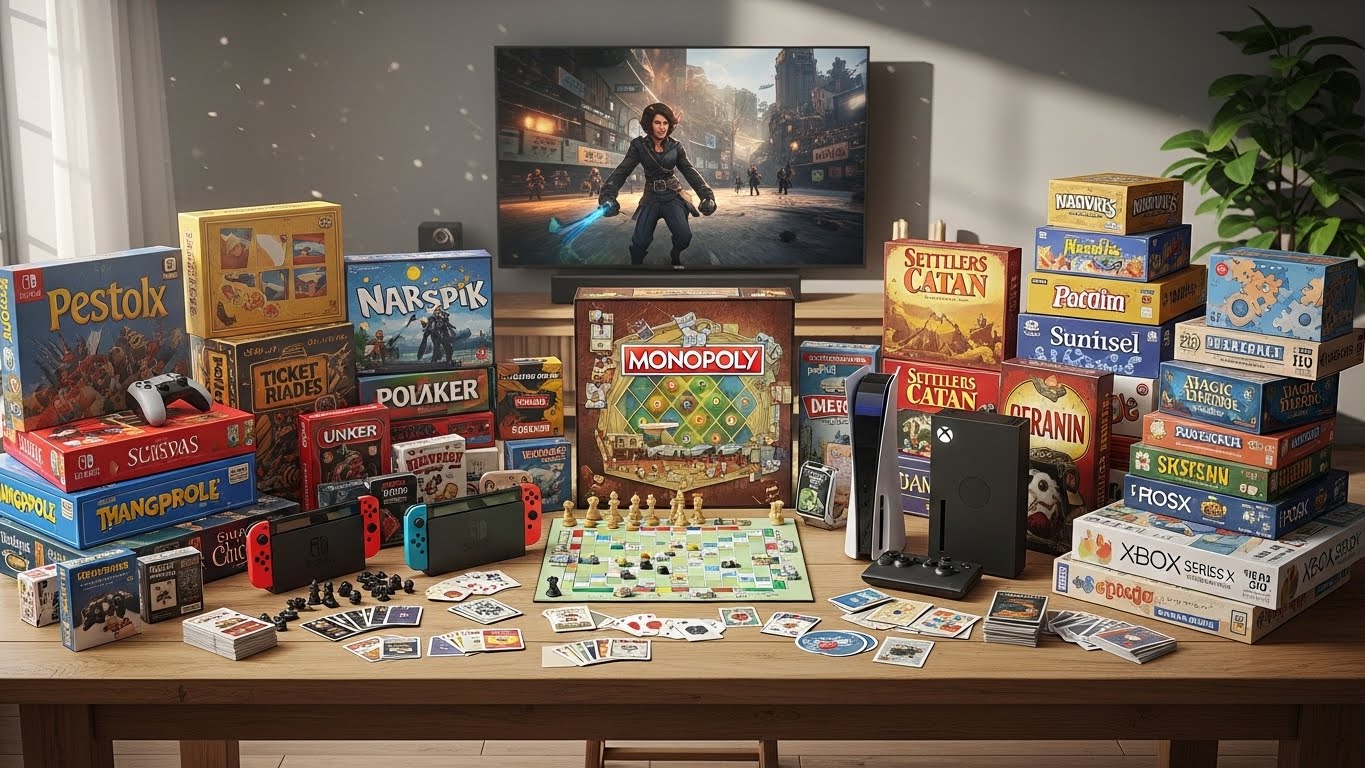
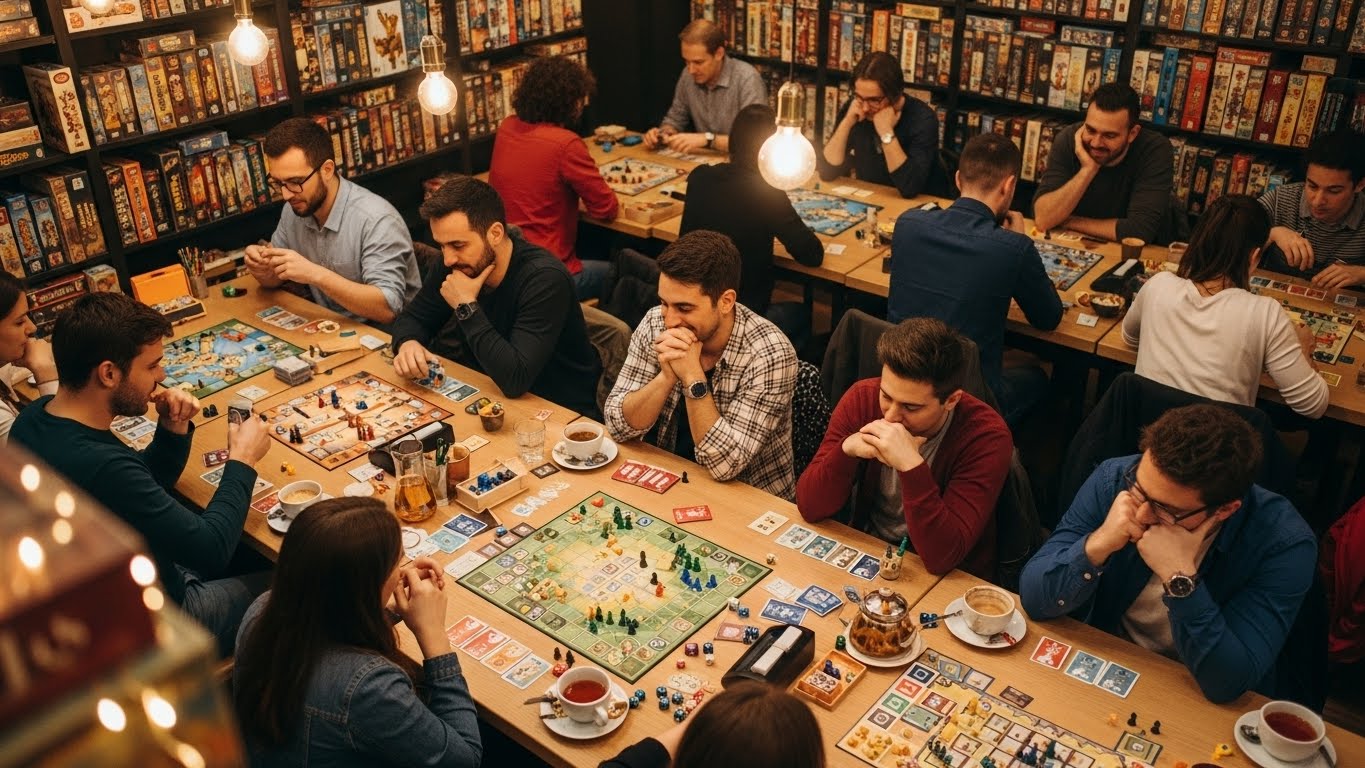
Board and card games are among the oldest forms of entertainment. Classic games like Chess, Monopoly, and Poker remain popular due to their blend of strategy, chance, and social interaction. These games encourage critical thinking, negotiation skills, and patience, making them more than just fun—they are tools for cognitive development and social bonding.
Video Games
Video games have grown into a global phenomenon, offering experiences that range from casual mobile games to complex role-playing adventures. Genres like action, strategy, simulation, and storytelling cater to different types of players. Multiplayer online games create communities where players collaborate, compete, and share experiences, while single-player games provide immersive stories and challenges that test individual skill and decision-making.
Sports and Physical Games
Physical games, including sports and outdoor activities, promote physical health and teamwork. From soccer and basketball to tag and relay races, these games encourage exercise, coordination, and collaboration. Physical games often combine competition with enjoyment, fostering discipline, resilience, and camaraderie among participants.
Puzzles and Brain Games
Puzzles and brain games challenge the mind rather than the body. Crosswords, Sudoku, escape rooms, and logic puzzles sharpen analytical thinking and problem-solving skills. These games provide a sense of achievement and mental stimulation, appealing to those who enjoy intellectual challenges and strategic planning.
The Psychology Behind Games: Why We Play
Games captivate people not just for fun but because they engage fundamental aspects of human psychology. Understanding why we play reveals much about the role of games in personal development and social interaction.
Motivation and Reward
Games often operate on reward systems, providing feedback and incentives that keep players engaged. Completing levels, achieving high scores, and unlocking new abilities stimulate the brain’s reward pathways, producing feelings of accomplishment and satisfaction. This motivation extends beyond entertainment, as it mirrors real-life learning processes and goal-setting behaviors.
Social Connection
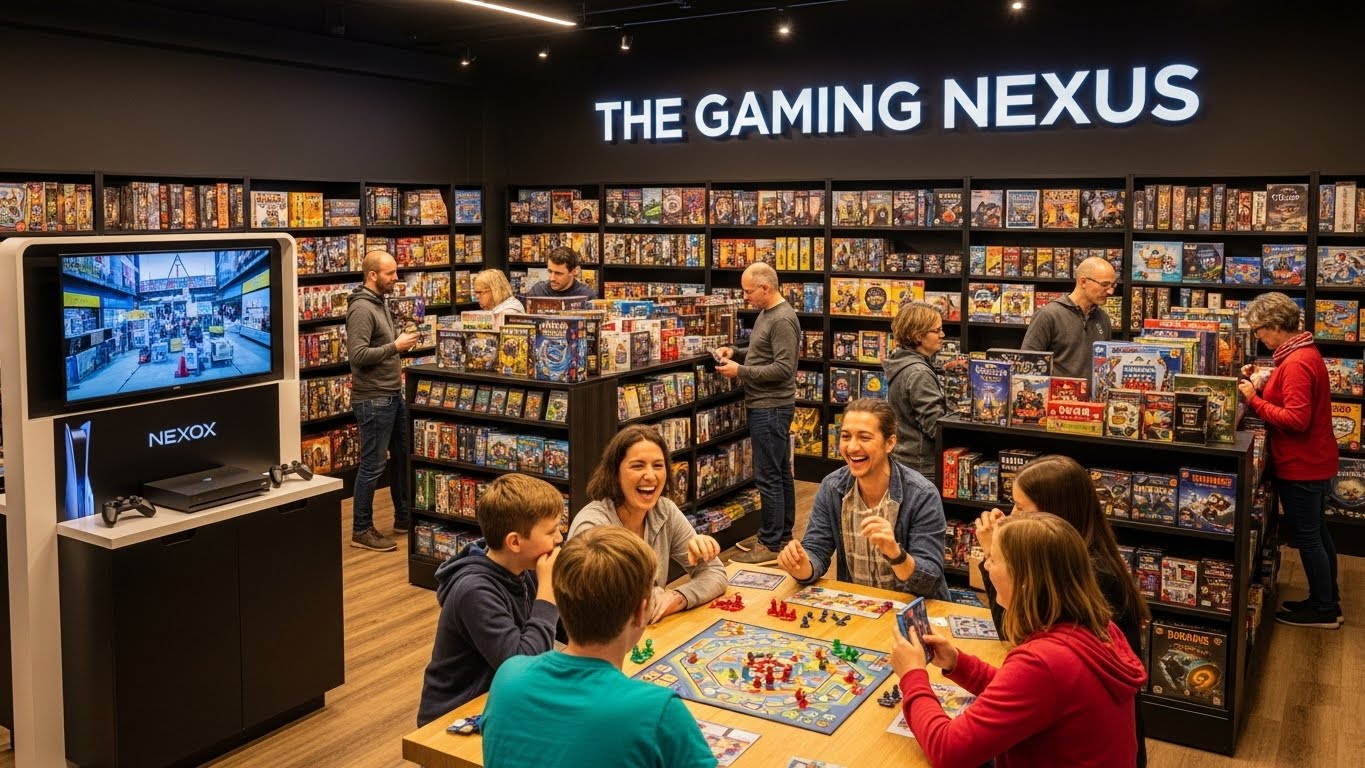
Many games foster social interaction, whether through cooperative gameplay, online communities, or casual competitions. Multiplayer experiences enable people to form friendships, develop teamwork skills, and navigate social dynamics in a safe and enjoyable environment. Games create shared experiences that bring individuals together, bridging cultural and geographical divides.
Emotional Engagement
Games are powerful tools for emotional exploration. Narrative-driven games allow players to empathize with characters, make moral decisions, and experience consequences in a virtual setting. Action-packed games evoke excitement and adrenaline, while puzzle and strategy games trigger curiosity and satisfaction. The emotional depth of games contributes to their immersive and memorable nature.
Cognitive Benefits
Research shows that playing games can improve memory, attention, problem-solving, and decision-making. Strategy and puzzle games enhance critical thinking, while action games improve reflexes and hand-eye coordination. Even casual games stimulate mental engagement, making gaming a productive and enjoyable cognitive exercise.
The Cultural Impact of Games
Games are not only entertainment; they are cultural artifacts that reflect societal values, creativity, and technological innovation. Popular games often become cultural phenomena, influencing art, literature, music, and fashion. For instance, iconic video games have inspired fan art, cosplay, and conventions that celebrate shared fandoms. Board games and sports often carry historical significance, preserving traditions and community practices.
Furthermore, games provide a platform for storytelling and creative expression. Independent game developers explore unique narratives, diverse perspectives, and experimental mechanics, offering experiences that challenge conventional norms. Games are increasingly recognized as a legitimate form of artistic expression, blending visual design, music, narrative, and interactivity into a unified creative experience.
The Social Benefits of Gaming
Contrary to the stereotype of the solitary gamer, many games encourage socialization and teamwork. Cooperative gameplay teaches collaboration, problem-solving, and communication skills. Online communities provide support networks and opportunities for friendship, while competitive gaming fosters discipline, strategic thinking, and resilience.
In educational settings, games are used as tools for learning and engagement. Gamification incorporates game mechanics into lessons, motivating students to participate actively and retain knowledge. From learning history through simulation games to practicing math skills in interactive challenges, games enhance education by making learning enjoyable and interactive.
Gaming and Personal Growth
Games offer more than entertainment—they can foster personal growth and skill development. Role-playing games, for instance, allow players to experiment with identity, morality, and decision-making in a safe environment. Strategy games improve planning and foresight, while cooperative games enhance empathy and teamwork.
Moreover, overcoming challenges in games teaches resilience and perseverance. Failing a level or losing a match encourages players to analyze their approach, adapt strategies, and persist. These lessons often translate into real-life skills, reinforcing the value of patience, critical thinking, and problem-solving.
The Future of Games
The future of games is full of exciting possibilities. Advances in virtual reality, augmented reality, and artificial intelligence are creating increasingly immersive and interactive experiences. Games are evolving beyond entertainment into areas like education, mental health, and social development. Virtual worlds may become spaces for collaboration, creativity, and cultural exchange, blurring the line between gaming and real-life experiences.
Moreover, the gaming industry continues to push the boundaries of storytelling, interactivity, and artistic expression. Independent developers and mainstream studios alike are exploring diverse narratives, inclusive representation, and innovative mechanics, ensuring that games remain a dynamic and influential medium for generations to come.
Conclusion: Games as a Reflection of Humanity
Games are more than mere pastimes—they are reflections of human creativity, curiosity, and social interaction. From ancient board games to modern digital adventures, games engage our minds, emotions, and bodies, providing joy, challenge, and connection. They teach lessons, foster personal growth, and bring people together across cultures and generations.
The allure of games lies in their versatility and universal appeal. They entertain, educate, and inspire, making them an indispensable part of modern life. As technology and creativity continue to advance, games will remain a powerful medium that captivates, challenges, and connects us all.