The Importance of Games
Games are an essential part of human life, offering entertainment, challenge, and growth. From childhood board games to modern video games, they provide opportunities to learn, socialize, and explore creativity. Beyond fun, games help develop problem-solving skills, strategic thinking, and teamwork, making them valuable in both personal and professional life.
The Evolution of Games
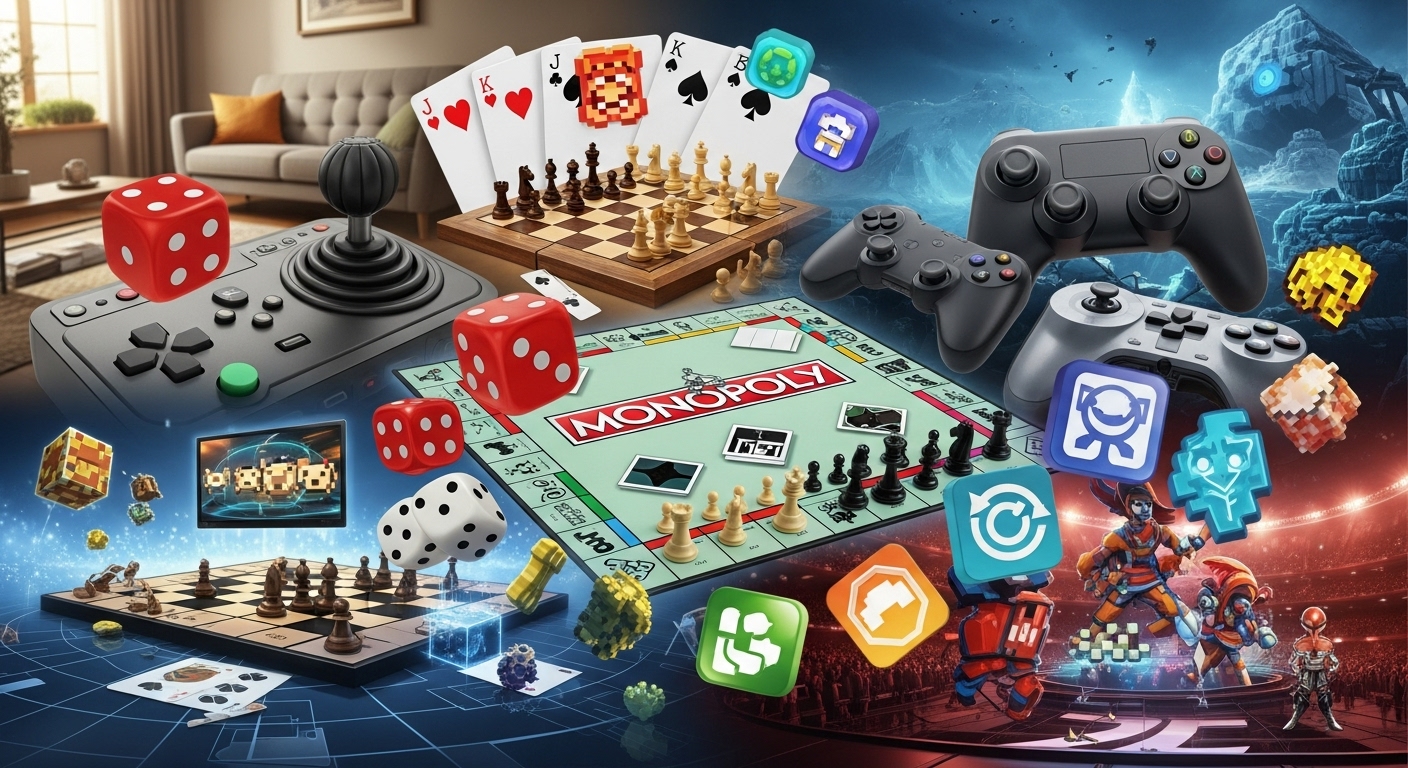
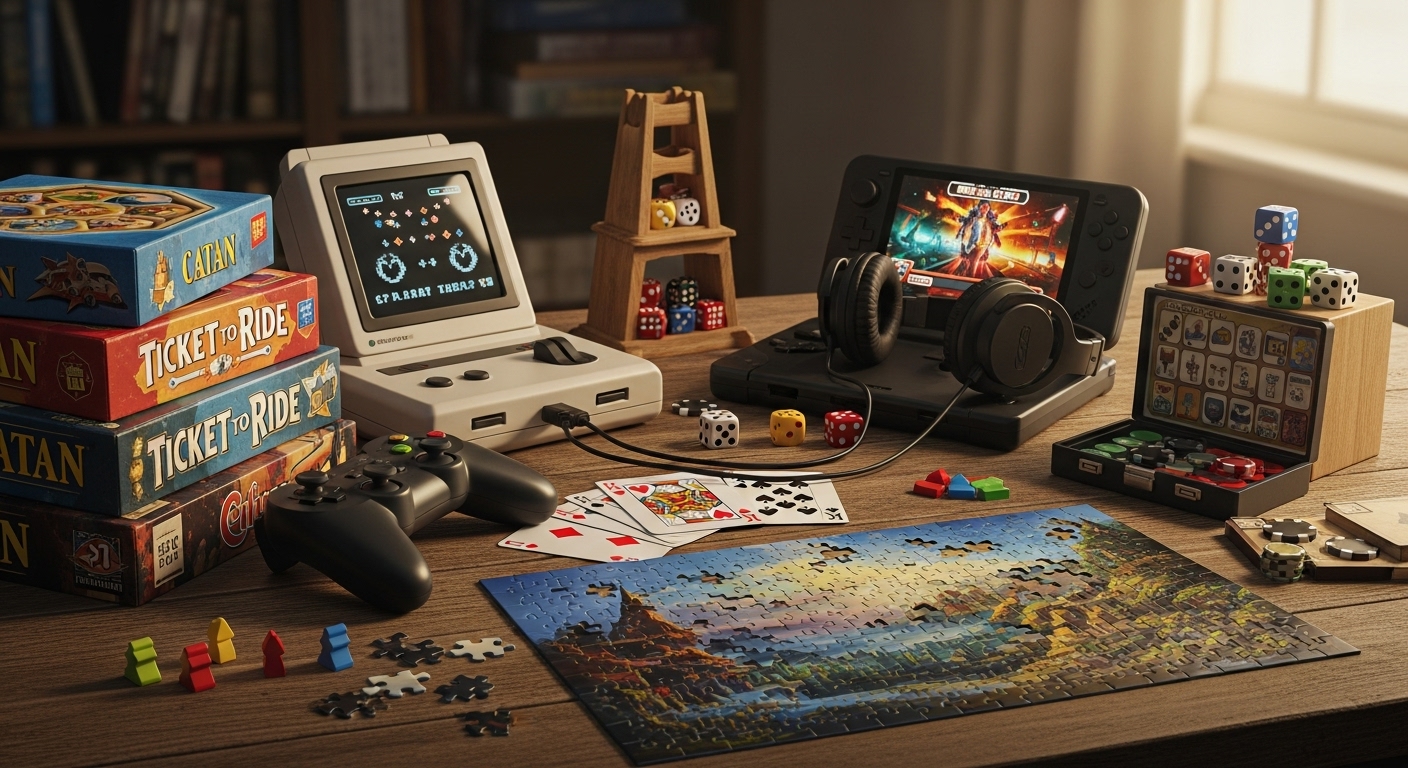
Games have evolved tremendously over time. Traditional games like chess, hide-and-seek, and card games have entertained generations, teaching patience and critical thinking. With technological advancements, digital and video games emerged, creating immersive worlds and interactive experiences. Today, games span multiple platforms—tabletop, console, mobile, and online—making them accessible to people of all ages.
Different Types of Games
The world of games is diverse. Puzzle and strategy games challenge the mind, enhancing analytical and logical skills. Adventure and role-playing games immerse players in stories, promoting creativity and decision-making. Sports and simulation games replicate real-life scenarios, teaching coordination and strategic planning. Each type of game offers unique experiences and benefits, catering to different preferences and skill levels.
Games and Social Interaction
Games are a powerful tool for building social connections. Multiplayer and online games allow players to collaborate, compete, and communicate with people around the world. Even traditional games, played with friends and family, foster bonding and teamwork. These interactions strengthen relationships, create shared experiences, and promote social skills that extend beyond the game itself.
Cognitive and Emotional Benefits
Playing games offers more than entertainment; it positively affects the mind and emotions. Strategy and problem-solving games improve critical thinking, while fast-paced games enhance reflexes and focus. Games also provide stress relief and emotional satisfaction, allowing players to engage in challenges and experience achievement, boosting confidence and motivation.
Technology and the Future of Gaming
Technology has transformed games into highly interactive and immersive experiences. Advanced graphics, virtual reality, and artificial intelligence create worlds that respond dynamically to players’ actions. Online gaming and streaming platforms expand access and community engagement, connecting players globally. The future promises even more innovation, with games continuing to evolve as a medium for learning, entertainment, and social interaction.
Challenges in Gaming
While games offer numerous benefits, they also present challenges. Excessive gameplay can lead to health issues such as eye strain, poor posture, and sleep disruption. Online environments may expose players to toxic behavior or harassment. Maintaining a balance between play, work, and other responsibilities is crucial to ensure that gaming remains a positive experience.
Conclusion
Games are more than just a way to pass time—they are a source of learning, connection, and personal growth. From traditional board games to modern digital experiences, they teach strategy, teamwork, and creativity while fostering social bonds. As technology and imagination continue to advance, games will remain a vital part of human culture, offering endless opportunities for entertainment, challenge, and growth.