
Introduction: Games as More Than Entertainment
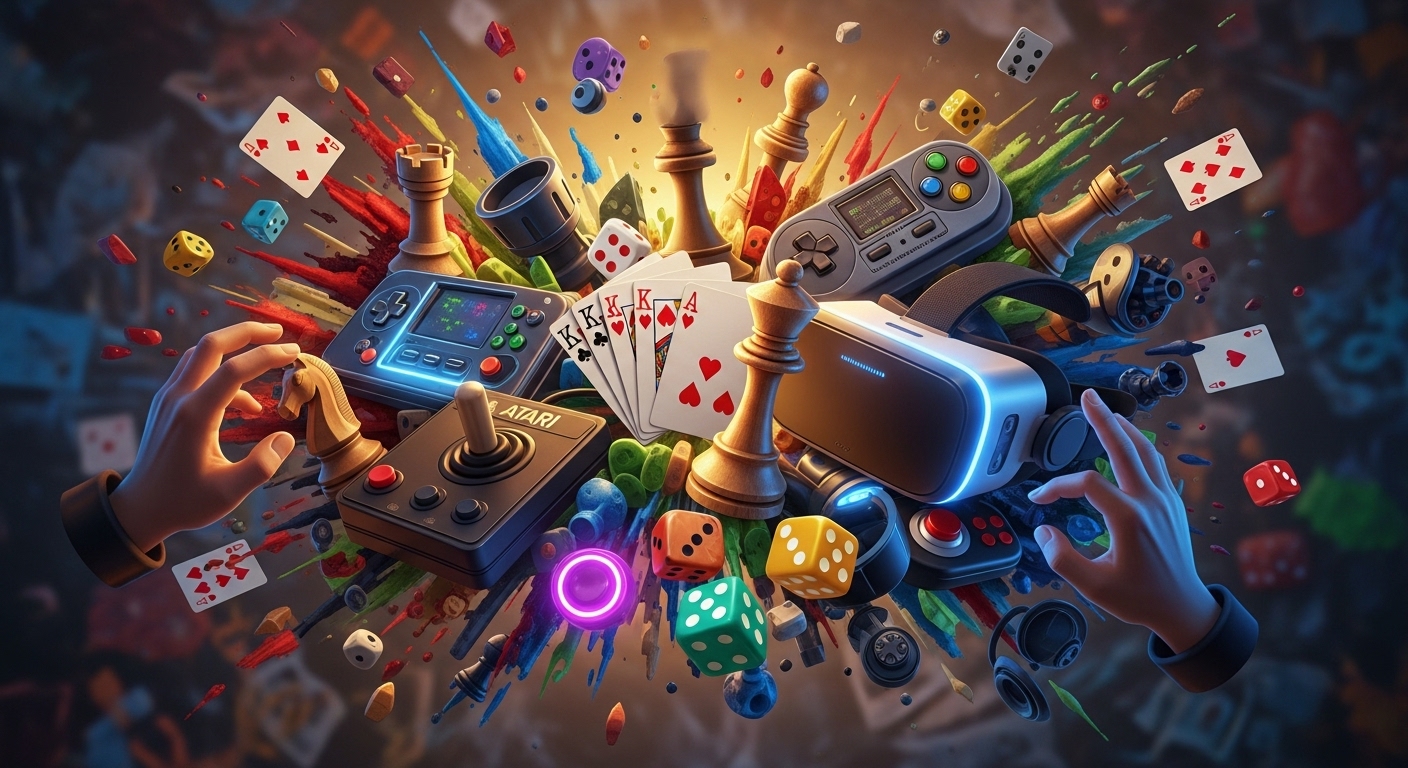
Games have evolved far beyond simple pastimes. What once began as pixelated challenges on arcade machines has transformed into a vast universe of interactive experiences that shape culture, spark creativity, and tell unforgettable stories. Today, games are not just about winning or losing; they are about immersion, emotion, connection, and innovation. From deeply personal indie creations to massive open worlds crafted by global studios, games now stand alongside books, films, and art as powerful forms of expression. This blog explores how modern games have become unique experiences that redefine what play truly means.
The Evolution of Gaming Creativity
The gaming industry has grown rapidly over the last few decades, but its most remarkable transformation lies in creativity. Early games focused on mechanics and scores, yet modern titles prioritize ideas, atmosphere, and originality. Developers experiment with unusual art styles, unconventional narratives, and mechanics that challenge traditional expectations. This evolution has allowed games to stand out not by graphical power alone, but by how differently they make players think and feel. Creativity has become the heart of gaming, pushing boundaries and inviting players into worlds that feel alive and meaningful.
Storytelling That Puts Players at the Center
One of the most unique aspects of games is their ability to tell stories through participation. Unlike movies or novels, games place players directly inside the narrative. Choices matter, actions have consequences, and the player becomes an active character rather than a passive observer. Some games explore complex themes such as loss, identity, morality, and hope, allowing players to experience these emotions firsthand. This interactive storytelling creates a deeper emotional bond, making the journey memorable long after the game ends.
Artistic Expression in Interactive Worlds
Games are a powerful artistic medium. Visual design, music, sound, and animation work together to create immersive environments that feel like living artworks. Some games use minimalist visuals to focus attention on emotion, while others build rich, detailed worlds filled with symbolism. Music often plays a crucial role, guiding mood and enhancing emotional impact. Through these artistic choices, games communicate ideas that words alone cannot express, proving that interactivity can be just as expressive as traditional art forms.
Innovation Through Gameplay Mechanics
What truly sets games apart is gameplay. Innovative mechanics can transform simple ideas into unforgettable experiences. Some games challenge players by removing traditional rules, encouraging experimentation and curiosity. Others focus on slowing the pace, inviting reflection rather than competition. Mechanics such as time manipulation, environmental storytelling, or unconventional controls push players to rethink how they interact with virtual spaces. These innovations keep gaming fresh and demonstrate that there are endless ways to design meaningful play.
Emotional Connections and Player Empathy
Games have a unique ability to foster empathy. By placing players in unfamiliar roles or perspectives, games allow them to experience lives and challenges different from their own. Whether portraying the struggles of survival, the weight of responsibility, or the joy of discovery, games can evoke strong emotional responses. Players often form deep attachments to characters and worlds, feeling genuine sadness, happiness, or pride. This emotional connection is one of the most powerful qualities of gaming, turning digital experiences into personal memories.
The Rise of Indie Games and Original Voices
Independent developers have played a major role in shaping unique gaming experiences. Free from many commercial constraints, indie creators often take bold risks and explore unconventional ideas. These games may be smaller in scale, but they are rich in passion and originality. Indie titles frequently focus on personal stories, experimental mechanics, and artistic expression. Their success has shown that creativity and authenticity matter more than budget, opening doors for diverse voices and perspectives within the gaming world.
Games as Social and Cultural Spaces
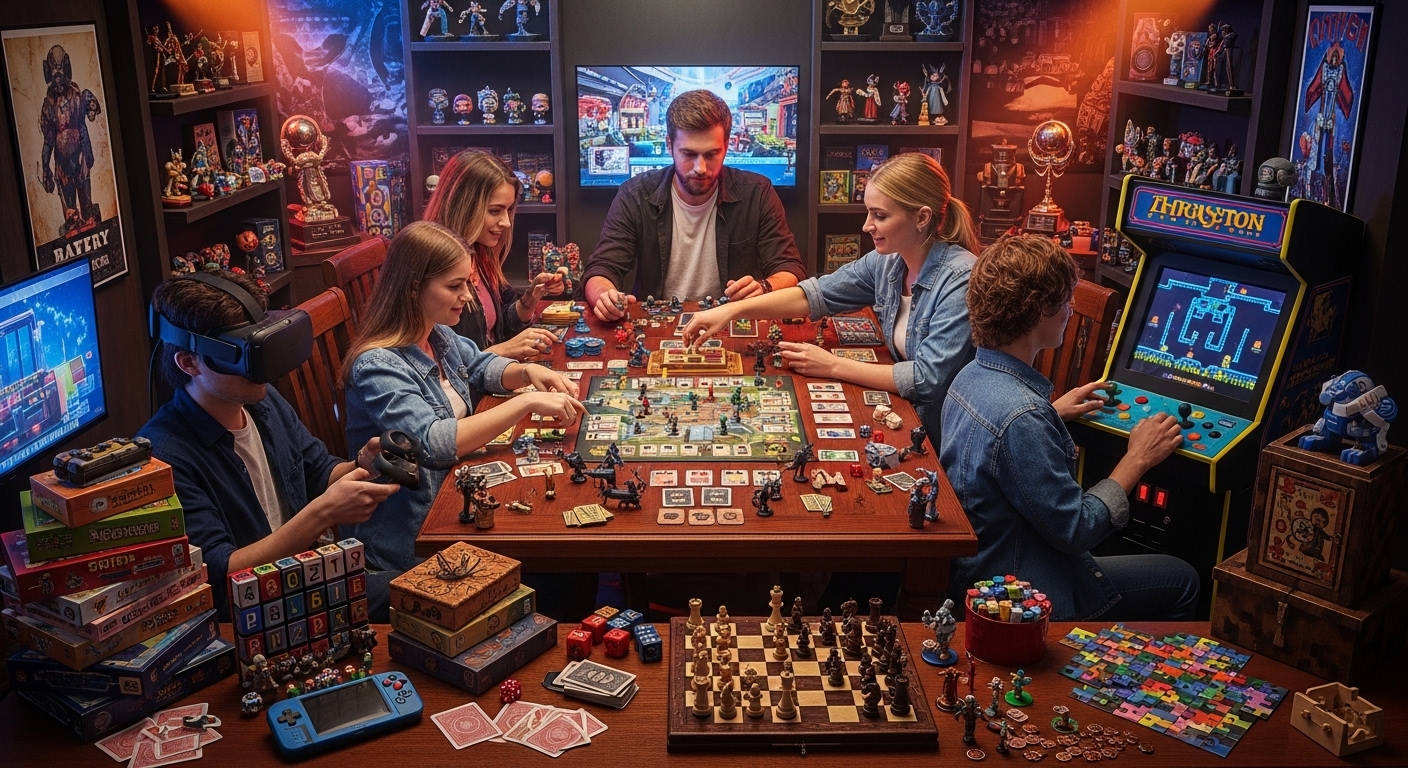
Modern games are not only personal experiences but also social ones. Multiplayer games and shared virtual spaces bring people together from across the globe. Players collaborate, compete, communicate, and form communities that extend beyond the game itself. These social connections can be meaningful, offering friendship, teamwork, and shared achievement. Games have also influenced popular culture, shaping language, fashion, music, and storytelling in ways few other mediums can match.
Learning, Growth, and Problem Solving Through Play
Games are powerful tools for learning and self-improvement. They encourage problem-solving, critical thinking, and adaptability. Many games challenge players to analyze situations, manage resources, and make strategic decisions. Others promote creativity by allowing players to build, design, and experiment. Through failure and retry, players learn persistence and resilience. These skills often translate beyond the screen, demonstrating that games can be both entertaining and intellectually enriching.
Immersion and the Power of Virtual Worlds
One of the most captivating qualities of games is immersion. When gameplay, story, and design align perfectly, players lose track of time and fully inhabit the virtual world. Immersive games create a sense of presence, making players feel as though they truly belong in the environment. This level of engagement is difficult to achieve in other mediums. It allows players to explore new realities, confront challenges, and experience adventures that would be impossible in real life.
The Future of Unique Gaming Experiences
As technology continues to advance, the future of gaming promises even greater innovation. New tools and platforms will allow developers to experiment with storytelling, interaction, and realism in unprecedented ways. However, the true future of unique games lies not in technology alone, but in imagination. The most memorable games will continue to be those that dare to be different, that prioritize meaning over trends, and that respect players as active participants in creative experiences.
Conclusion: Why Games Matter More Than Ever
Games have become one of the most influential and dynamic forms of entertainment in the modern world. Their uniqueness lies in their ability to combine art, story, challenge, and interaction into a single experience. They allow players to explore new ideas, connect with others, and understand themselves better. As games continue to evolve, they will remain a powerful medium for creativity, emotion, and human connection. In a world that is constantly changing, games remind us that play is not just an escape, but a meaningful way to experience life itself.