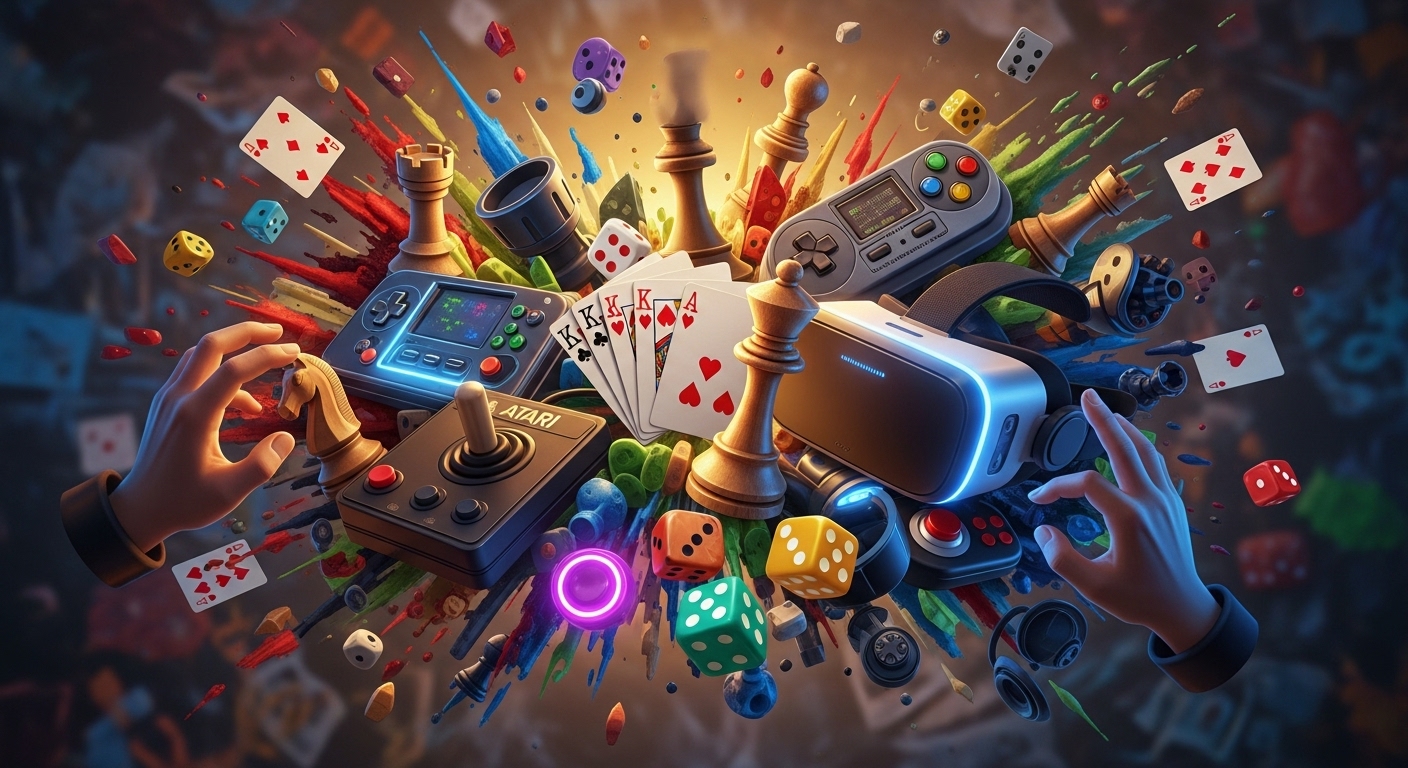
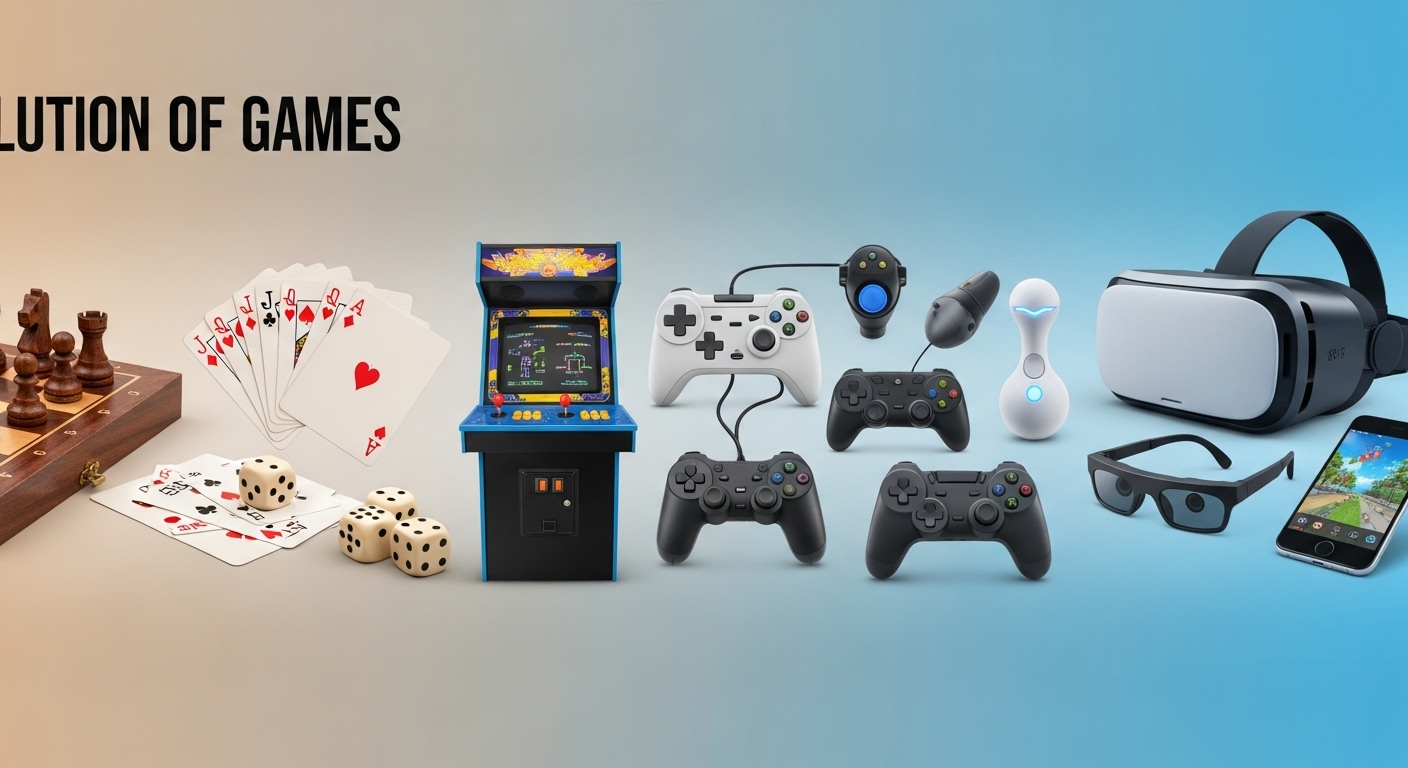
Games have always been more than just entertainment. They are a part of human culture, expression, and evolution. From the earliest board games carved into ancient stones to the immersive digital universes of today, games have reflected our creativity, intelligence, and need for connection. In the modern age, games are no longer limited to a pastime; they are a global phenomenon shaping economies, communities, and even education. This blog explores the fascinating world of games — their history, types, psychology, cultural impact, and the way they continue to evolve with technology.
The Ancient Roots of Games
The history of games stretches back thousands of years. Long before the invention of computers or consoles, humans played games for amusement, strategy, and social bonding. Archaeologists have discovered game boards dating back to ancient civilizations like Egypt, Mesopotamia, and the Indus Valley.
One of the oldest known games, Senet, was played in ancient Egypt around 3100 BCE. It symbolized the journey of the soul to the afterlife and was not merely a form of entertainment but a reflection of spiritual beliefs. Similarly, in ancient China, the game Go was created more than 2,500 years ago. Despite its simple rules, it remains one of the most complex strategy games in existence, emphasizing balance, patience, and foresight.
In Greece and Rome, games were part of public gatherings and festivals. Physical competitions like wrestling, discus throwing, and chariot racing evolved into organized sports. These games were not only about strength but also about honor and skill, laying the foundation for modern competitive play.
The Evolution into Modern Play
As time passed, games transformed from physical activities and tabletop amusements into structured sports and intellectual challenges. The Middle Ages saw the rise of chess, which remains a symbol of strategy and intellect. Chess was adored by royalty and commoners alike and became a tool for teaching planning and patience.
In the 19th century, the Industrial Revolution made printed materials and toys more accessible, giving rise to board games like Monopoly, Scrabble, and Clue. These games were designed to bring families together and test creativity, logic, and vocabulary.
By the mid-20th century, technological progress introduced a new era — the birth of video games. What began as simple electronic experiments on computers and oscilloscopes grew into a multibillion-dollar industry. The first recognizable video game, Pong, released in 1972, simulated table tennis with two paddles and a bouncing dot. Though primitive by today’s standards, it sparked a revolution in entertainment.
The Rise of Digital Gaming
The late 20th century witnessed a gaming explosion. Consoles like the Atari 2600, Nintendo Entertainment System, and Sega Genesis brought gaming into living rooms across the world. Iconic characters such as Mario, Sonic, and Link became household names, representing not just games but entire cultural movements.
The 1990s and early 2000s marked a golden era of gaming innovation. Graphics improved from pixelated sprites to 3D environments, and storytelling became an integral part of gameplay. Games like Final Fantasy, The Legend of Zelda: Ocarina of Time, and Half-Life redefined what interactive experiences could be. They weren’t just games; they were adventures filled with emotion, challenge, and artistry.
With the rise of the internet, multiplayer gaming connected people across the globe. Titles like Counter-Strike, World of Warcraft, and Call of Duty transformed gaming into a social experience. Players no longer competed against computers but against real humans, building friendships, rivalries, and entire online communities.
The Psychology of Gaming
Why do humans love games so much? The answer lies deep within psychology. Games trigger a combination of emotions — excitement, curiosity, and achievement. They satisfy our intrinsic needs for competence, autonomy, and connection.
Challenge and Reward: Most games are built around challenges. Whether it’s defeating an enemy, solving a puzzle, or completing a mission, the satisfaction of success releases dopamine — the brain’s “reward chemical.” This creates a sense of accomplishment and encourages continued play.
Escapism: Games offer a way to step away from reality. In virtual worlds, players can become heroes, explorers, or creators. For a few hours, one can forget daily struggles and live a story beyond the boundaries of real life.
Social Interaction: Many games are social in nature. Multiplayer titles and cooperative modes bring people together, fostering teamwork and communication. Even solo players participate in larger online communities where sharing tips, achievements, and fan art creates a sense of belonging.
Learning Through Play: Studies show that games can enhance cognitive skills like problem-solving, memory, and strategic thinking. Educational games help students grasp difficult subjects in an engaging way. Simulation games even allow players to experience complex systems, such as managing a city or running a business.
Genres and Diversity in Games
Games come in countless forms, each offering unique experiences and catering to different interests.
Action Games: These are fast-paced, adrenaline-fueled experiences that test reflexes and coordination. Classic examples include shooting games, fighting titles, and platformers. They provide immediate gratification and excitement.
Adventure Games: Focused on exploration and storytelling, adventure games immerse players in rich narratives. Titles like Tomb Raider or Uncharted blend puzzles, exploration, and action.
Role-Playing Games (RPGs): In RPGs, players assume the role of a character or group, making choices that shape the story. They often feature deep lore, customizable characters, and strategic combat. The Witcher, Elder Scrolls, and Final Fantasy are prime examples.
Strategy Games: These games demand planning and critical thinking. Whether real-time (like StarCraft) or turn-based (like Civilization), they reward patience and tactical intelligence.
Sports and Simulation Games: From football to racing to life simulators, these games mimic real-world experiences. Titles like FIFA, The Sims, and Gran Turismo attract massive audiences who enjoy realism and mastery of specific skills.
Puzzle Games: Simplicity meets creativity in puzzle games. From Tetris to Candy Crush, they test logic and problem-solving while providing relaxing or competitive fun.
Indie Games: Independent developers have revolutionized the gaming landscape. With limited budgets but boundless creativity, indie games explore art, emotion, and innovation. Games like Celeste, Undertale, and Hollow Knight prove that storytelling and design matter more than big budgets.
The Cultural Impact of Games
Games are now a cornerstone of global culture. They influence fashion, language, art, and even music. Gaming conventions attract millions, cosplay has become mainstream, and streaming platforms have turned players into celebrities.
Esports, or competitive gaming, has grown into a professional industry with international tournaments and million-dollar prizes. Games like League of Legends, Dota 2, and Fortnite have global fan bases comparable to traditional sports.
Games also shape storytelling across media. Many modern films and shows borrow gaming structures, such as quest progression or interactive storytelling. Meanwhile, cinematic games blur the line between film and play, offering emotional depth and visual artistry once reserved for cinema.
Games as a Tool for Education and Development
Beyond entertainment, games have found a place in education, therapy, and training. Educational games teach mathematics, languages, and science in interactive ways that engage learners. Simulation games train pilots, surgeons, and engineers by mimicking real-world conditions.
Gamification — the use of game elements in non-game contexts — has entered workplaces and classrooms. By rewarding progress and encouraging healthy competition, gamification boosts motivation and performance.
Even in mental health, games are being used for therapy. Titles designed for mindfulness and emotional awareness help reduce anxiety and stress. For patients recovering from injuries, interactive games can assist with physical rehabilitation.
The Social Side of Gaming
Modern gaming is as much about community as it is about play. Online platforms and chat systems allow players to connect, collaborate, and share experiences. Gaming communities often become social hubs where friendships form and creativity thrives.
Streaming platforms allow players to broadcast their gameplay to audiences worldwide. This has turned gaming into a form of performance art, with streamers building massive fanbases through personality, skill, and entertainment value.
However, the social side of gaming also brings challenges. Issues like toxicity, addiction, and online harassment have become topics of concern. Responsible gaming movements now emphasize balance, digital well-being, and inclusivity.
The Art and Music of Games
Games are now recognized as a legitimate art form. Every frame of a well-designed game can be a masterpiece of design, color, and emotion. Worlds are meticulously crafted, from the haunting landscapes of Dark Souls to the vibrant cities of Cyberpunk 2077.
Music in games is another crucial element. Iconic soundtracks like those from The Legend of Zelda, Halo, and Final Fantasy are celebrated globally. Game composers use music to evoke emotion, guide gameplay, and create unforgettable experiences.
The integration of art, sound, and interactivity makes gaming one of the most expressive mediums of the 21st century.
The Future of Games
The future of gaming promises even more innovation. Virtual Reality (VR) and Augmented Reality (AR) are redefining how players experience worlds. Instead of watching a screen, players step directly into the environment, feeling as though they are truly there.
Artificial Intelligence (AI) is also transforming game design. NPCs are becoming more lifelike, capable of adapting and learning from player behavior. Procedural generation allows developers to create vast, unique worlds with minimal human input.
The rise of cloud gaming eliminates the need for powerful hardware, making high-quality games accessible on any device with an internet connection. As technology advances, gaming will become more inclusive and immersive than ever before.
Games and Society
Games often reflect societal values, conflicts, and hopes. They tackle complex issues such as morality, identity, and survival. Titles like The Last of Us, Detroit: Become Human, and Life is Strange address human emotions and ethical dilemmas through interactive storytelling.
Moreover, games promote diversity and representation. Developers increasingly strive to include characters of various backgrounds, genders, and cultures. This inclusivity broadens perspectives and helps players connect with experiences different from their own.
The Business of Games
The gaming industry is one of the most profitable entertainment sectors in the world, surpassing both film and music combined. Major studios release blockbuster titles with budgets rivaling Hollywood productions, while independent developers create niche experiences for passionate audiences.
Mobile gaming has opened new frontiers, reaching billions of players worldwide. Casual games allow people of all ages to engage in quick, satisfying play sessions anywhere, anytime. Meanwhile, subscription services and digital stores have changed how players access and purchase games.
Why Games Matter
Games are more than a hobby — they are a reflection of human nature. They challenge us to think, to cooperate, to compete, and to dream. In every match, mission, or puzzle lies a microcosm of life itself: risk, reward, failure, and triumph.
They unite people across languages and borders, creating shared experiences that transcend differences. Whether played for relaxation, education, or passion, games have an undeniable power to inspire and connect.
Conclusion
From ancient stones carved with patterns to virtual galaxies light-years away, games have always accompanied humanity’s journey. They embody imagination, strategy, and emotion, reflecting who we are and what we aspire to become.
In the ever-evolving world of games, one truth remains constant — the human desire to play, to explore, and to create. Games will continue to evolve, not just as a form of entertainment but as a mirror of our creativity, intelligence, and shared humanity.
The world of games is vast and boundless, just like imagination itself. And as long as there are stories to tell and challenges to overcome, there will always be games — inviting us to press “start” and begin again.