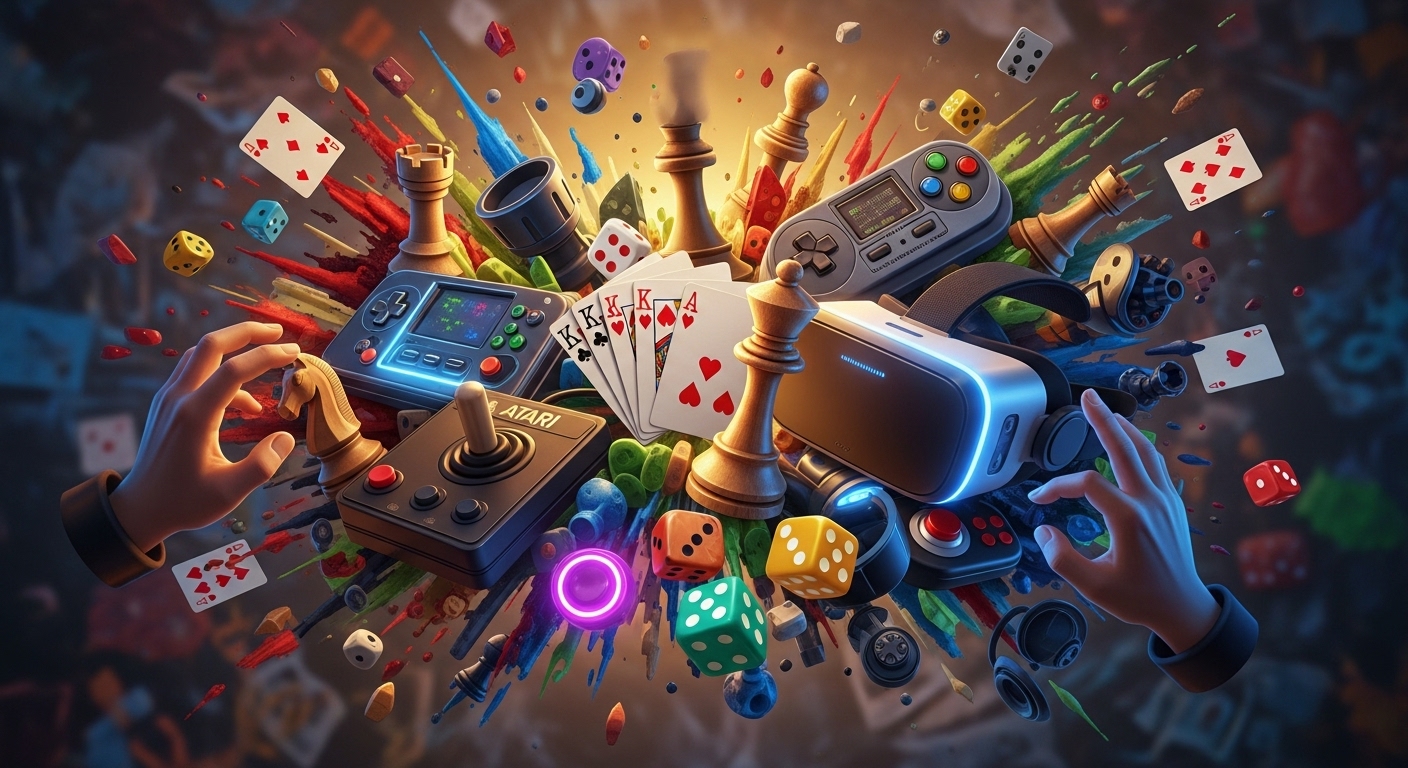
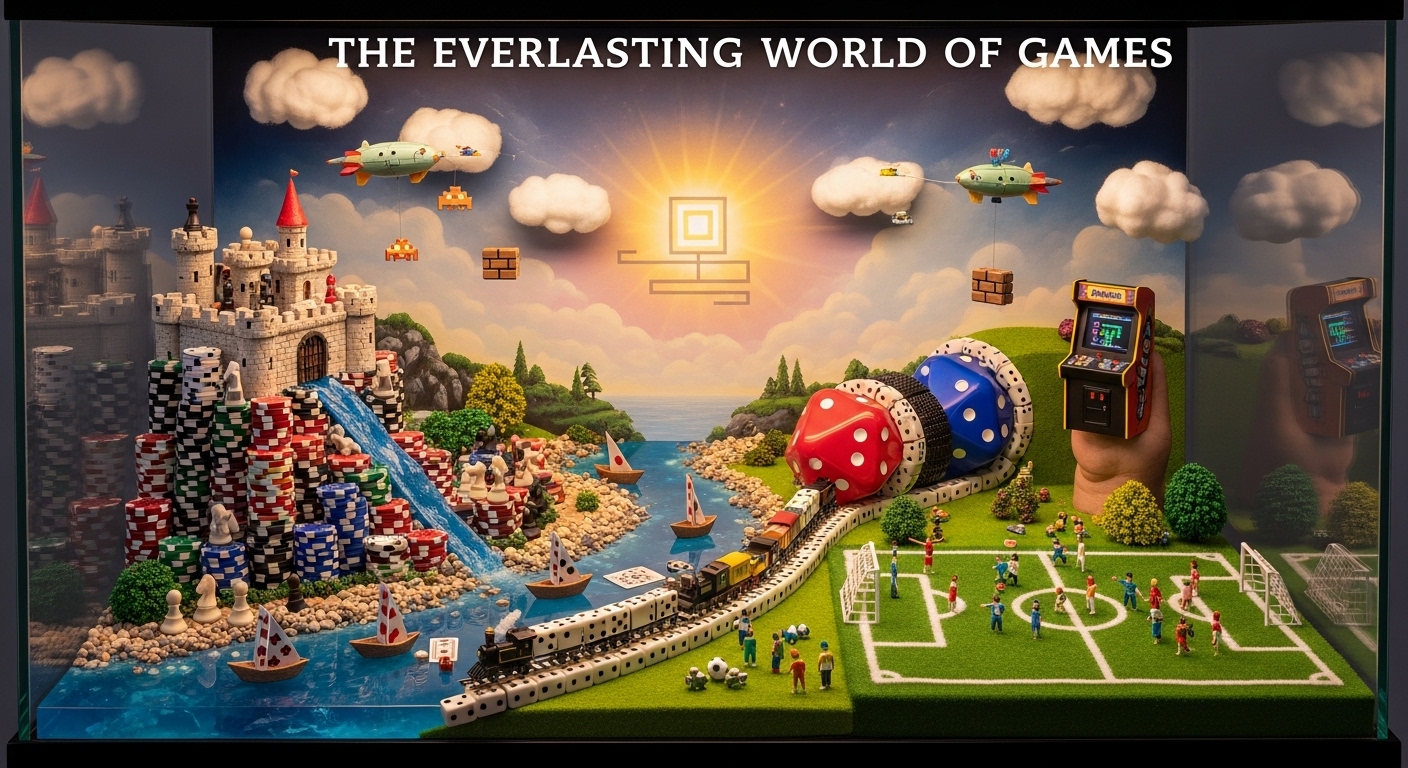
Games have always been more than just a way to pass time. They are reflections of human creativity, curiosity, and the desire to challenge oneself and others. Whether they are ancient board games played under flickering lanterns, digital worlds rendered with modern technology, or outdoor sports that demand physical excellence, games hold a special place in every culture. The world of games is vast, ever-changing, and deeply intertwined with how people think, connect, and express themselves.
The Ancient Roots of Play
Long before consoles, controllers, or smartphones existed, people found ways to play. Archaeologists have discovered game pieces dating back thousands of years, revealing that even early civilizations valued structured play. Ancient Egypt had Senet, one of the oldest known board games. In China, Go emerged as a test of strategic depth and patience. The Romans entertained themselves with dice and racing games, while the Aztecs and Mayans created ritualistic ball games that were deeply symbolic.
These early forms of play were more than entertainment. They taught strategy, patience, teamwork, and even philosophy. Through games, people learned how to make decisions, predict outcomes, and understand the concept of fate or luck. The act of playing became a shared language across tribes and cultures.
The Evolution of Games Across Time
As societies evolved, so did their games. The Middle Ages brought about chess, a timeless masterpiece of intellect and foresight. The Renaissance period expanded the culture of card games and gambling, reflecting both leisure and risk. By the industrial age, mechanical toys and puzzles entered the scene, creating a bridge between imagination and technology.
With the arrival of the twentieth century, games started to merge with machines. The arcade era began with mechanical pinball and eventually evolved into electronic video games. From Pong to Pac-Man, from board games like Monopoly to early digital adventures, humanity’s fascination with games grew stronger. Games became a global phenomenon—spanning not just entertainment but also education, art, and storytelling.
The Digital Revolution and Video Games
The late twentieth century completely transformed what it meant to play. The introduction of video games created a new dimension for interaction. No longer limited by physical space, players could now explore fantasy worlds, build civilizations, and test their skills against others across the globe. The home console became a common fixture, and arcades turned into cultural landmarks.
The 1980s and 1990s were defining decades. The birth of characters like Mario, Sonic, and Link gave games a new kind of storytelling depth. Players were no longer just competing for points; they were embarking on adventures. The 3D era further revolutionized gaming, allowing players to move freely in digital environments. Games like Super Mario 64, The Legend of Zelda: Ocarina of Time, and Final Fantasy VII showed that interactive experiences could evoke deep emotions and tell powerful stories.
The Rise of Online Play and Communities
When the internet entered the picture, games evolved again. Suddenly, players weren’t alone. Multiplayer games opened doors to global competition and cooperation. From the early days of LAN parties to the massive online worlds of today, the sense of community became central to gaming.
Online games like Counter-Strike, World of Warcraft, and later Fortnite or Apex Legends created social spaces where players could form friendships, rivalries, and even careers. Esports, once seen as a niche interest, turned into a billion-dollar industry. Tournaments filled arenas, and professional gamers became celebrities. The internet transformed gaming from a solitary hobby into a shared experience—part sport, part social network, part entertainment show.
The Art and Emotion Behind Game Design
While many see games as entertainment, behind every title lies a world of artistry and craftsmanship. Game developers are not just coders; they are storytellers, musicians, designers, and architects of emotion. The process of creating a game blends technology with creativity.
Modern games can move players emotionally just as deeply as films or literature. Titles like Journey, The Last of Us, and Celeste explore themes of love, loss, hope, and perseverance. Players are not just observers; they participate, making choices that shape the outcome. This interactive storytelling creates a sense of immersion that no other medium can replicate.
Game art has also become a distinct visual language. The color palettes, architecture, character designs, and soundtracks all contribute to how players experience the world. Every texture, sound effect, and animation breathes life into the experience. When done right, games become living works of art—interactive canvases where players leave their mark.
The Psychology of Play
Why do humans play games at all? The answer lies deep in psychology. Games stimulate reward systems in the brain, offering satisfaction for achievement, curiosity, and mastery. They give players a sense of control and progress, something often missing in everyday life. This is why leveling up, completing missions, or solving puzzles feels so rewarding—it mirrors the brain’s need for growth and accomplishment.
Games also act as safe environments for experimentation. Failure in a game carries no real-world consequences, allowing players to try new strategies, think critically, and learn resilience. This element of safe failure makes games excellent tools for education and personal development. Many educators now use game mechanics to make learning more interactive, from math puzzles to history simulations.
The Role of Games in Social Connection
For many people, games are the foundation of their social life. Cooperative and competitive play create shared experiences that build trust, empathy, and teamwork. Even virtual friendships can become meaningful when built through shared goals and communication.
During times of isolation, especially in global events that restrict physical gatherings, games have provided a way to connect. Online multiplayer games, digital board game apps, and virtual worlds have allowed families and friends to stay close despite distance. These interactions can be powerful, as they combine playfulness with emotional connection.
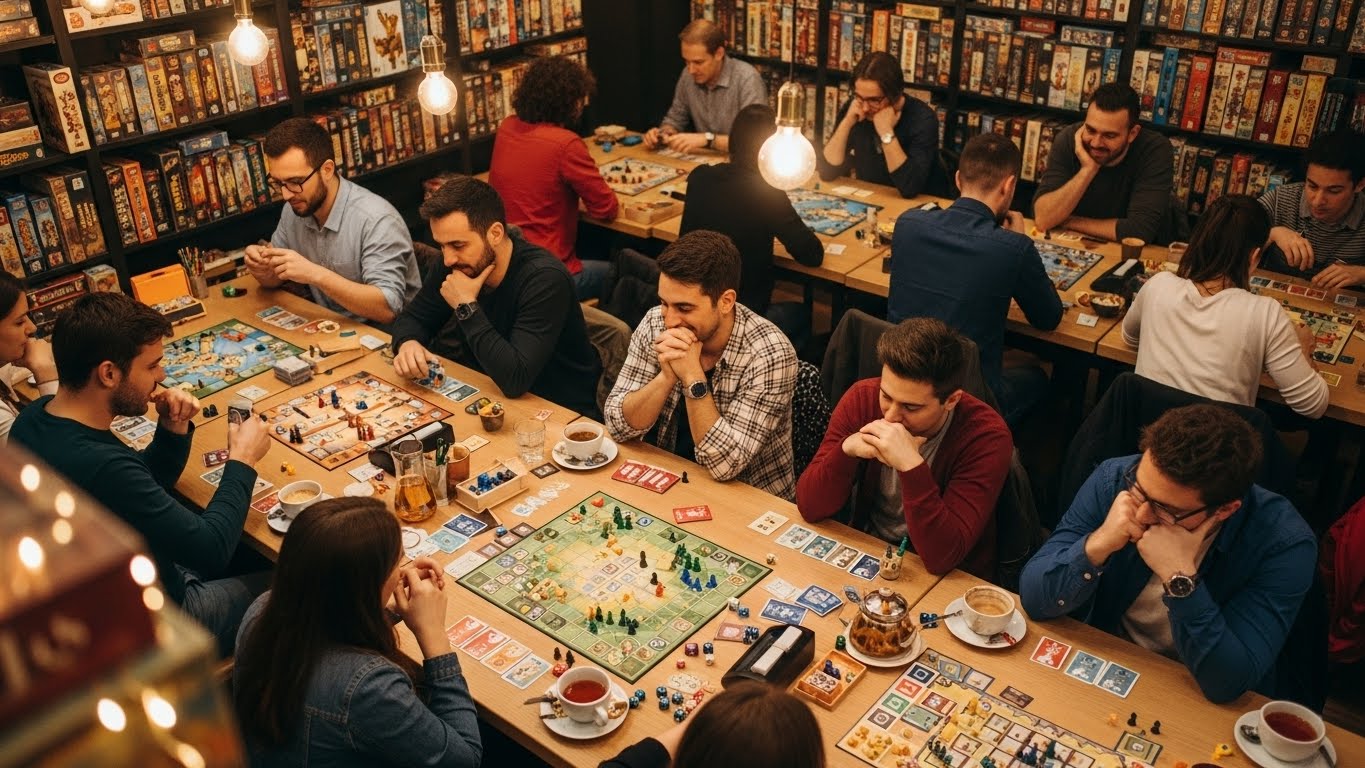
In physical spaces, too, games remain a powerful social glue. Board game cafes, gaming conventions, and local tournaments bring people together. Whether someone is rolling dice or competing in a local football match, the sense of community is what keeps the spirit of gaming alive.
The Economic Power of the Gaming Industry
Gaming is not just fun—it’s big business. What began as a small niche industry has grown into one of the largest entertainment sectors in the world. The global gaming industry now surpasses movies and music in revenue. This growth has been fueled by innovation, accessibility, and diversity in the types of games available.
Mobile gaming has played a massive role in this expansion. With smartphones in almost every hand, games have become universal. From casual puzzle titles to competitive online arenas, the barrier to entry has never been lower. Independent game developers have also found success, using digital platforms to reach global audiences without needing large budgets.
Merchandise, streaming, esports, and content creation have expanded the gaming economy even further. A single game can now inspire books, movies, toys, and clothing lines. Gaming culture has become a lifestyle, influencing how people dress, speak, and spend their leisure time.
The Educational Potential of Games
Beyond entertainment and profit, games are now recognized as valuable educational tools. They can teach history, science, problem-solving, and even empathy. Simulation games like flight or city-building titles help players understand complex systems. Role-playing games encourage creativity, teamwork, and storytelling.
Serious games—those designed with specific learning outcomes in mind—are used in classrooms and corporate training. For instance, strategy games help with planning and foresight, while puzzle games enhance cognitive flexibility. Educational game design continues to evolve, bridging the gap between learning and fun.
The potential of games to foster critical thinking and motivation has led educators to rethink traditional methods. Gamification, the use of game elements in non-game contexts, is transforming how schools and workplaces engage people. Progress bars, achievements, and challenges make even routine tasks more rewarding.
The Cultural Influence of Games
Games influence culture just as much as they reflect it. Iconic characters, music, and stories from games have become part of global culture. From cosplay events to film adaptations, gaming aesthetics have spread into other art forms. The digital worlds created in games inspire artists, writers, and filmmakers.
Games also serve as mirrors of society, often addressing real-world issues. Titles exploring war, politics, mental health, or morality allow players to confront complex subjects in interactive ways. They can provoke thought, empathy, and awareness. In this sense, games are not just escapism—they are commentary.
Cultural diversity in gaming has also expanded. Developers from different regions bring unique stories, art styles, and traditions into their work. This has helped players explore worlds beyond their own and understand global perspectives.
The Impact of Technology on Modern Gaming
Technology continues to redefine what is possible. The leap from pixelated graphics to hyper-realistic 3D environments has been extraordinary. Now, virtual reality and augmented reality are pushing boundaries even further. Players can step inside digital worlds, interacting with them as if they were real.
Artificial intelligence enhances gameplay by making non-player characters more lifelike and responsive. Cloud gaming allows people to play without expensive hardware. Haptic feedback and motion controls blur the line between physical and digital sensations. Each new advancement adds a layer of immersion and realism.
The relationship between technology and creativity is symbiotic. As tools improve, developers can realize more ambitious visions. At the same time, player expectations grow, pushing technology even further. This constant evolution keeps the gaming world in perpetual motion.
Challenges in the Gaming World
Despite its success, the gaming industry faces challenges. Concerns over addiction, microtransactions, and online toxicity have sparked global discussions. While games can unite people, they can also create unhealthy patterns when moderation is lost.
Developers and communities are increasingly focusing on inclusivity and mental health. Efforts to make games more accessible to players with disabilities are growing. Games that encourage mindfulness, relaxation, and empathy are becoming more common, countering the stereotype that games are purely competitive or violent.
Regulation, ethics, and digital well-being will continue to shape the future of gaming. As the medium matures, the conversation about responsibility and balance becomes more important.
The Future of Games
The future of gaming is as exciting as it is unpredictable. Emerging technologies like virtual reality, augmented reality, and artificial intelligence will continue to transform the experience. The idea of the “metaverse”—a shared, immersive virtual space—promises to blur the boundaries between reality and play.
We may soon see games that adapt dynamically to each player’s emotions and choices, crafting unique experiences every time. Storytelling could become completely personalized. Meanwhile, advances in brain-computer interfaces may allow players to control games directly with thought, making the impossible feel real.
But beyond technology, the heart of gaming will always remain the same—the joy of play, the thrill of competition, and the connection between people. Games will continue to be a canvas for imagination, where every player becomes both artist and audience.
The Human Element Behind Every Game
Behind every game—whether it’s a simple mobile app or a massive open-world adventure—there are human beings pouring their passion into creation. Developers, artists, composers, and writers all contribute to worlds that millions of players experience. Each sound, animation, and piece of dialogue represents hours of dedication.
The bond between creators and players is unique. Feedback loops between gamers and developers often shape updates, expansions, and future titles. Communities form around this shared love for creation and discovery. Games are, in many ways, collaborations between imagination and participation.
This human element is what keeps the gaming world alive. Technology can evolve endlessly, but without creativity, it means nothing. The stories we play are reflections of human emotion, curiosity, and innovation.
Games as a Reflection of Life
Games, at their core, mirror the challenges and triumphs of life itself. They teach perseverance after failure, the importance of strategy, and the value of teamwork. Just as in life, players must make choices, face consequences, and adapt. The sense of achievement in games echoes the human drive to overcome obstacles.
Perhaps this is why games resonate so deeply. They offer a space where people can explore who they are and who they want to be. In the world of games, failure is not final—it’s just another step toward mastery. That lesson alone makes games more than entertainment; they become metaphors for growth.
Conclusion: The Infinite Playground
Games are timeless. From the dusty fields of ancient civilizations to the glowing screens of modern cities, the spirit of play has never faded. Every generation redefines what games mean, but the essence remains—curiosity, challenge, and joy.
The world of games is an infinite playground, a space where imagination meets technology and creativity meets connection. Whether you play to escape, to compete, to learn, or simply to have fun, games remind us that within every person lies a desire to explore, to dream, and to play. And as long as that desire exists, the story of games will never end.