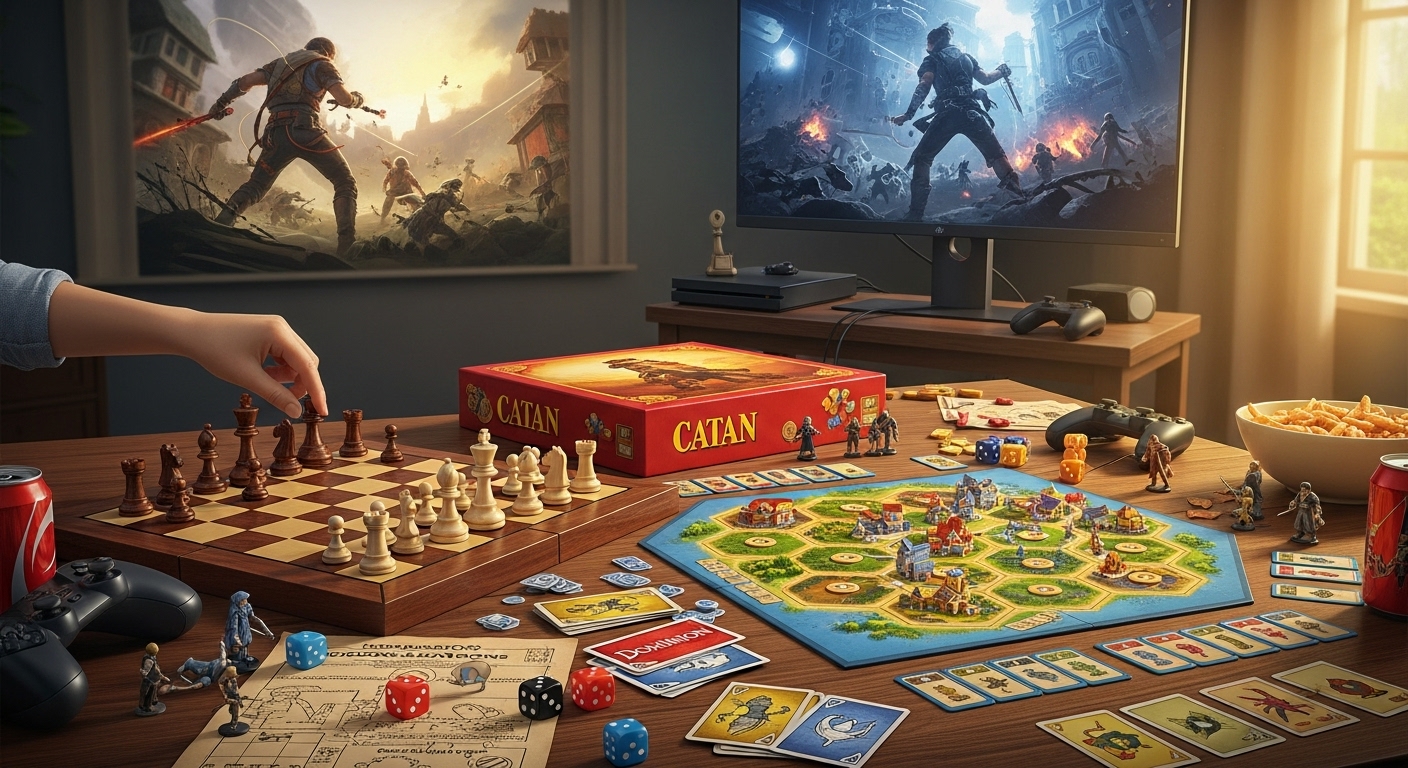

Games have always been more than just a pastime; they are an essential part of human civilization. From ancient times to the modern digital era, games have evolved, transformed, and expanded beyond imagination. They are not merely a source of entertainment but a reflection of culture, creativity, and competition. Whether played on a board, in a field, or through a virtual screen, games hold a unique place in human life, blending fun with learning, social interaction, and skill development. In this blog, we will explore the vast universe of games—their history, evolution, impact on society, and why they continue to be an inseparable part of human experience.
The Origin of Games
Games are as old as human civilization itself. Archaeologists have discovered evidence of gaming artifacts dating back thousands of years. Ancient civilizations like Egypt, Mesopotamia, India, China, and Greece all had their own versions of games. For example, the Egyptians played “Senet,” one of the oldest known board games, symbolizing the journey of life and death. The ancient Indians gave the world “Chaturanga,” which later evolved into the game of chess. Meanwhile, the Chinese played “Go,” a game of deep strategy that remains popular even today.
In these early societies, games served more than just recreational purposes. They were educational, spiritual, and even political. Many ancient rulers used games to teach strategy, leadership, and warfare. In temples and royal courts, games became symbols of intelligence and status. Thus, the foundation of human play was not just about winning—it was about learning and connecting with others.
The Transformation Through Time
As societies advanced, so did games. The Middle Ages saw the rise of tournaments and physical games like jousting and fencing, which were not only sports but also methods of preparing knights for battle. Board games gained more sophisticated designs, and dice games became common among traders and travelers.
The industrial revolution changed everything. With mass production and printing, board games became accessible to common families. Games like checkers, dominoes, and card games spread rapidly. The late nineteenth and early twentieth centuries marked the golden age of family board games. Titles such as Monopoly, Scrabble, and Clue became household names, transforming living rooms into battlegrounds of luck and wit.
Then came the technological revolution. The mid-twentieth century introduced electronic games and arcade machines, paving the way for what we now know as the video game industry. From simple pixelated screens to virtual reality experiences, games have continuously evolved with technology, offering immersive and diverse experiences for every generation.
The Rise of Video Games
The arrival of video games revolutionized entertainment forever. The 1970s introduced classics like Pong and Space Invaders, igniting a new era of interactive play. In the 1980s and 1990s, gaming consoles such as Nintendo, Sega, and PlayStation turned video gaming into a mainstream phenomenon. These decades produced legendary titles like Super Mario, The Legend of Zelda, and Sonic the Hedgehog—games that not only defined genres but shaped childhood memories for millions.
As technology advanced, so did the depth and scope of games. The introduction of 3D graphics, online multiplayer modes, and storytelling elevated gaming into an art form. Titles like Final Fantasy, Metal Gear Solid, and The Elder Scrolls blurred the line between games and cinema, merging visual storytelling with player choice and interaction.
By the 2000s, the internet had transformed gaming into a global community. Players could now compete or cooperate with others across the world. Online games such as World of Warcraft, Counter-Strike, and later Fortnite created vast digital universes where millions of players interacted daily. Gaming was no longer a solitary experience—it became a social platform, a shared adventure.
Mobile Gaming and Accessibility
In the 2010s, the explosion of smartphones brought gaming to everyone’s fingertips. Mobile games broke the boundaries that once separated gamers from non-gamers. Titles like Angry Birds, Candy Crush, and Clash of Clans became global sensations, appealing to casual players and hardcore enthusiasts alike.
This era also democratized game development. Independent developers could now create and distribute their own games without large budgets or publishers. Mobile gaming allowed creativity to flourish, giving rise to unique, experimental, and story-driven experiences. The simplicity of mobile platforms also made gaming accessible to all ages, making it one of the largest and most inclusive entertainment industries in the world.
The Psychology of Games
One of the reasons games remain timeless is their deep connection with human psychology. At their core, games satisfy fundamental human needs: challenge, reward, and mastery. They offer a sense of control and progress that real life often lacks. Each victory, level-up, or solved puzzle releases dopamine in the brain, creating feelings of achievement and satisfaction.
Moreover, games allow safe exploration of risk and failure. Losing in a game does not carry real-world consequences, which encourages experimentation, persistence, and learning from mistakes. This is why games are often used in education and training—to teach problem-solving, teamwork, and resilience.
Games also serve as emotional outlets. They provide escapism, comfort, and sometimes even therapy. Many players find solace in virtual worlds during stressful or lonely periods. Multiplayer games foster community and friendship, offering players a space to connect and communicate beyond physical boundaries.
The Cultural Impact of Games
Games have become a significant part of modern culture. They influence fashion, music, storytelling, and even social movements. Esports—competitive video gaming—has turned professional players into global celebrities. Massive tournaments draw millions of viewers, rivaling traditional sports in popularity and prize money.
Moreover, video games have become powerful tools for storytelling and expression. Titles like The Last of Us, Journey, and Red Dead Redemption explore deep emotional and philosophical themes. Game developers now blend art, music, narrative, and interactivity to craft experiences that move players emotionally and intellectually.
Games also shape identity and community. Online platforms and fan groups create spaces where people share their experiences, discuss strategies, and celebrate their favorite titles. This collective passion has turned gaming into a cultural phenomenon that transcends borders, languages, and generations.
Educational and Social Benefits of Gaming
The perception of games as mere distractions has long faded. Today, games are recognized for their educational and developmental value. Strategy games enhance critical thinking and planning skills. Puzzle games sharpen cognitive ability and memory. Simulation games teach management, creativity, and real-world problem-solving.
In classrooms, educational games are used to make learning more engaging. From mathematics to history, digital learning platforms incorporate game elements such as points, levels, and challenges to motivate students. Gamification—using game design principles in non-game contexts—has become a powerful tool in business training, marketing, and education.
Socially, games foster teamwork and communication. Multiplayer games require coordination, leadership, and cooperation, skills that translate directly into real-world scenarios. They teach players how to handle success and failure, make quick decisions, and adapt to unpredictable circumstances.
The Artistry of Game Design
Behind every great game lies a team of artists, designers, writers, and engineers. Game design is an art form that blends creativity with technology. A game must balance challenge and reward, simplicity and depth, visual appeal and mechanical precision.
Storytelling plays a central role in many modern games. Narratives can range from epic fantasies to personal emotional journeys. The player’s ability to influence the outcome adds a unique dimension that traditional media cannot replicate.
The visual art of games has also evolved remarkably. From hand-drawn sprites to photorealistic environments, games now rival movies in visual splendor. Sound design and music elevate immersion, setting the mood and reinforcing emotional connections. The harmony between art, sound, and interactivity makes gaming one of the most dynamic creative mediums of our time.
Challenges in the Gaming Industry
While the world of gaming shines brightly, it also faces its share of challenges. Issues such as addiction, toxicity in online communities, and excessive monetization have raised concerns. Game developers are constantly striving to create balanced experiences that promote healthy engagement.
Moreover, the industry faces pressure to ensure inclusivity and representation. As the gaming audience grows more diverse, players expect stories and characters that reflect their identities and cultures. Game companies are increasingly focusing on accessibility features, gender representation, and cultural sensitivity.
Another major issue is the crunch culture in game development—where employees work long, exhausting hours to meet deadlines. As awareness grows, both developers and players are pushing for fairer working conditions and sustainable production practices.
The Future of Games
The future of gaming looks boundless. Virtual reality (VR), augmented reality (AR), and artificial intelligence (AI) are reshaping how games are created and experienced. VR offers complete immersion, allowing players to step inside the game world. AR blends the real and digital, turning everyday surroundings into interactive playgrounds.
Cloud gaming is another transformative development, removing the need for expensive hardware. Players can now stream high-quality games on any device, making gaming more accessible than ever before. AI is revolutionizing game design, enabling smarter non-player characters (NPCs), dynamic storytelling, and personalized experiences that adapt to each player’s style.
Beyond technology, the philosophy of games is also evolving. Developers are exploring deeper narratives, social awareness, and emotional storytelling. Games are being used to address real-world issues—from climate change to mental health—making them powerful platforms for change and reflection.
The Universal Language of Play
Games transcend age, culture, and geography. Whether it’s a child playing with toys, a teenager mastering a console, or an adult enjoying a mobile puzzle, the joy of play unites us all. Games remind us of our shared humanity—the desire to learn, compete, and create.
They teach us that victory and defeat are both parts of the journey, that collaboration often leads to success, and that imagination can turn even the simplest ideas into unforgettable experiences. In a world filled with stress and division, games offer a rare space of connection and joy.
Conclusion
From ancient board games carved in stone to virtual worlds crafted with digital brilliance, the story of games is the story of human creativity and evolution. They are not just forms of entertainment but reflections of who we are—our intelligence, curiosity, and drive to explore.
Games challenge our minds, spark our emotions, and connect us across continents. They are timeless bridges between generations and cultures. As technology continues to advance, games will only grow more immersive and meaningful, offering endless opportunities for fun, learning, and self-discovery.
In the end, games are more than play—they are a celebration of imagination, strategy, and human connection. They remind us that no matter how complex life becomes, there will always be a world where we can pause, dream, and play.