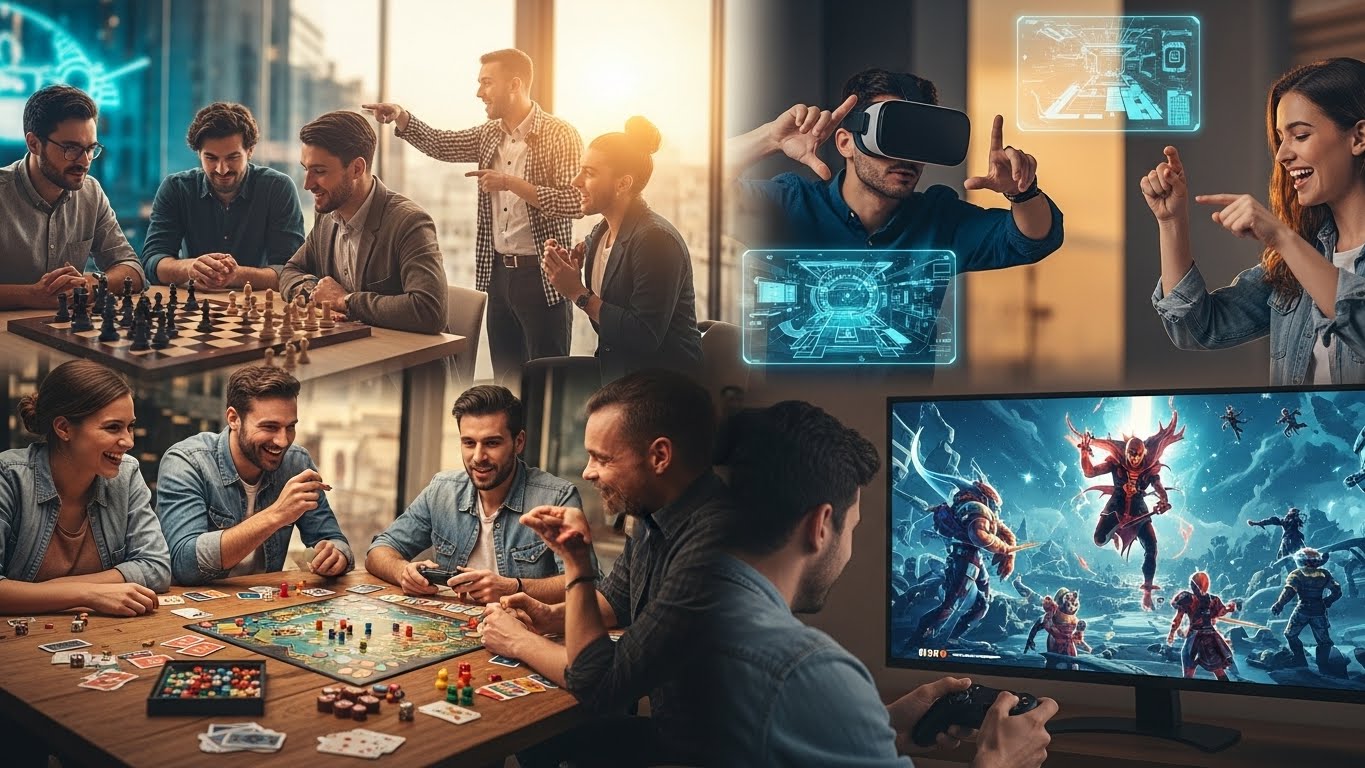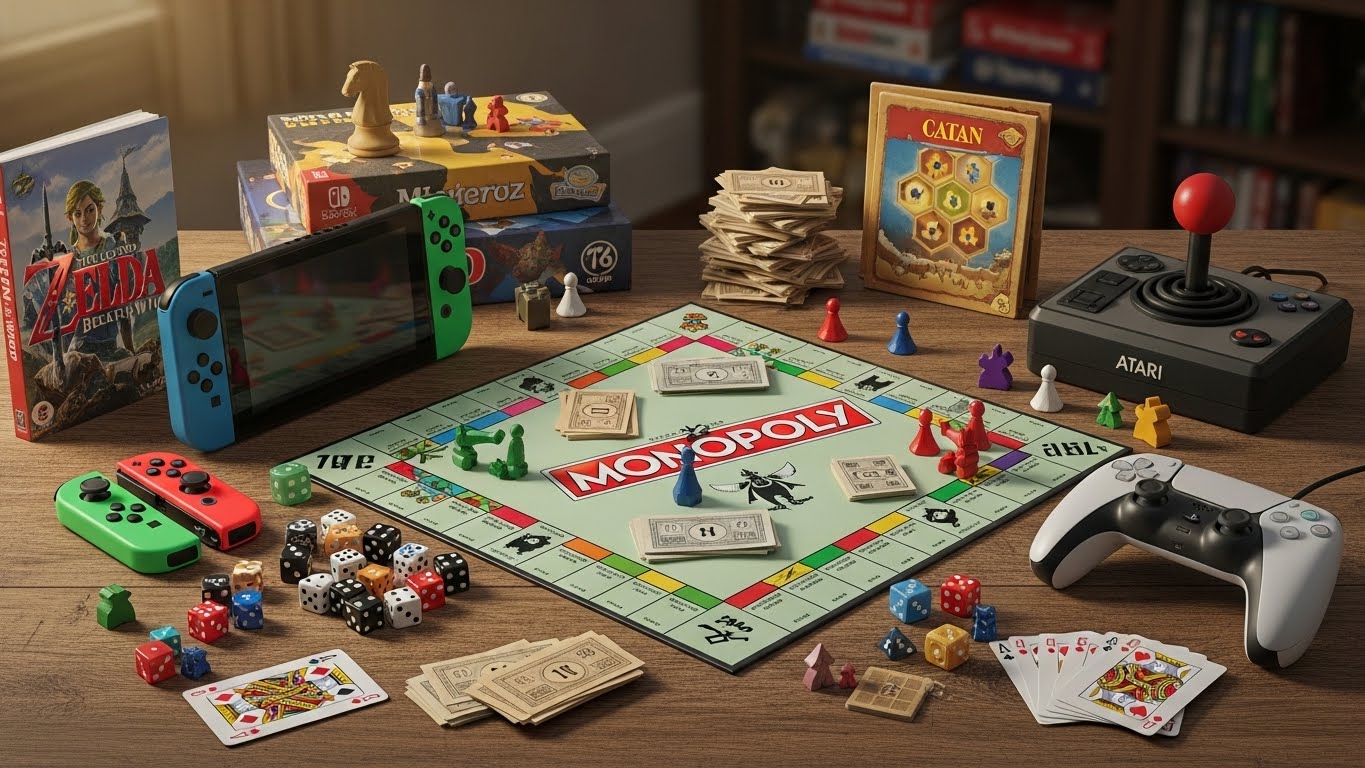

Gaming has long been one of the most dynamic and influential forms of entertainment in the world, continually evolving to reflect advancements in technology, culture, and player preferences. From the humble beginnings of pixelated 8-bit graphics to the immersive virtual reality experiences of today, gaming has transformed into a multibillion-dollar industry that captivates millions of people globally. But beyond the surface-level appeal of fun and excitement, gaming has also become a cultural phenomenon, impacting social dynamics, storytelling, and even the way we perceive reality itself.
In this blog post, we will explore the journey of video games, examining the history, evolution, and future of gaming. From the technological innovations that have reshaped the industry to the growing influence of esports and the advent of virtual reality, we will delve into the forces driving the gaming world and how they continue to shape our entertainment landscape.
The Birth of Video Games: A New Frontier in Entertainment
The world of gaming began to take shape in the mid-20th century, when pioneers like William Higinbotham and Ralph Baer created the first rudimentary video games. In 1958, Higinbotham developed Tennis for Two, a simple tennis simulation displayed on an oscilloscope, while Baer is credited with developing the first home video game console, the Brown Box, in the late 1960s. These early experiments in interactive entertainment laid the foundation for what would become one of the most influential industries in the world.
The 1970s marked the true beginning of the video game industry with the release of arcade games like Pong, created by Atari in 1972. Pong was a simple two-player game that simulated ping pong, and its success sparked the proliferation of arcade gaming machines. By the late 1970s and early 1980s, games like Space Invaders, Pac-Man, and Donkey Kong had become household names, leading to the golden age of arcade gaming. The rise of these games also led to the first wave of home console gaming, with systems like the Atari 2600 making video games accessible to a wider audience.
The Growth of the Home Console Market
While arcade games dominated the early days of gaming, the 1980s saw the rise of home consoles, which allowed players to enjoy games in their own living rooms. In 1983, Nintendo released the Nintendo Entertainment System (NES), which became a game-changer in the gaming world. With titles like Super Mario Bros. and The Legend of Zelda, the NES established the framework for modern video games, introducing iconic characters, intricate level design, and the concept of an overarching game world.
The success of the NES spurred a wave of competition, with companies like Sega, Sony, and Microsoft entering the market. In the 1990s, the Super Nintendo Entertainment System (SNES) and Sega Genesis cemented their place as rivals in the gaming landscape, offering players a variety of genres and groundbreaking titles like Sonic the Hedgehog and The Legend of Zelda: A Link to the Past.
This era also saw the emergence of 3D gaming with the release of Sony’s PlayStation in 1994, which featured the revolutionary game Gran Turismo. The PlayStation console showcased the potential of 3D graphics and paved the way for more complex game worlds and cinematic experiences. By the end of the 1990s, gaming had evolved into a mainstream form of entertainment, and the rapid technological advancements of the 2000s would push the industry even further into new territories.
The Rise of Online Gaming and Multiplayer Worlds
One of the most transformative shifts in the gaming industry occurred in the early 2000s with the rise of online multiplayer gaming. While local multiplayer had been a staple of console gaming, the ability to connect players from around the world in real-time was a game-changer. Games like Halo 2 and World of Warcraft brought players together in virtual worlds, where they could cooperate, compete, and build communities.
The impact of online gaming extended beyond just the games themselves. The emergence of online gaming communities and forums created a sense of camaraderie and connection between players, often leading to lifelong friendships or rivalries. Platforms like Xbox Live and PlayStation Network further facilitated this global connection, offering voice chat, messaging, and matchmaking services.
MMORPGs (Massively Multiplayer Online Role-Playing Games) like World of Warcraft (WoW) and EVE Online created massive, persistent worlds where players could engage in complex economic systems, social interactions, and combat. These games blurred the lines between entertainment and socialization, allowing players to live out entire alternate realities within the game world. The success of these games helped establish online gaming as a dominant force within the industry, and the influence of multiplayer experiences can be seen in virtually every genre today.
The Mobile Gaming Revolution
The next major shift in gaming came in the form of mobile gaming. In the early 2000s, mobile phones were primarily used for communication, but with the advent of smartphones and app stores, gaming became an essential part of the mobile experience. The launch of the Apple App Store in 2008 allowed developers to create and distribute games directly to consumers, resulting in a wave of mobile gaming titles that appealed to casual gamers.
Games like Angry Birds, Candy Crush Saga, and Clash of Clans became global phenomena, proving that gaming didn’t need expensive consoles or high-end graphics to be popular. The accessibility of mobile gaming made it a mainstream activity, with players of all ages engaging in quick, fun experiences on their smartphones.
The success of mobile gaming also led to the development of new business models, such as in-app purchases and microtransactions. These models allowed developers to offer free-to-play games while monetizing through the sale of virtual goods, cosmetics, and other in-game items. While this approach has been controversial in some cases, it has become a staple of the mobile gaming market.
The Emergence of Esports: Gaming as a Spectator Sport
In the past decade, esports has exploded in popularity, transforming gaming into a competitive sport that is watched by millions of viewers around the world. Esports refers to organized, multiplayer video game competitions, often featuring professional players and teams competing for large cash prizes. The rise of games like League of Legends, Counter-Strike: Global Offensive, Dota 2, and Fortnite has led to the creation of esports leagues and tournaments, such as the League of Legends World Championship and The International for Dota 2.
Esports has become a multi-billion-dollar industry, with sponsorships, media rights, and advertising driving its growth. Major esports events are now broadcast live on platforms like Twitch, YouTube, and Facebook, attracting millions of viewers, much like traditional sports events. Esports athletes, who train rigorously and compete in tournaments worldwide, have become celebrities in their own right, earning sponsorship deals and brand endorsements.
The growing recognition of esports has also led to its inclusion in major sporting events, such as the Asian Games, and its potential inclusion in future Olympic Games. What was once considered a niche hobby has now become a legitimate career path for talented gamers, with professional leagues, teams, and coaches emerging to support this new wave of competition.
Virtual Reality and Augmented Reality: The Future of Immersive Gaming
While esports and mobile gaming dominate today’s gaming landscape, the future of gaming may lie in virtual reality (VR) and augmented reality (AR). These technologies promise to redefine how we interact with games, offering a level of immersion previously unimaginable.
Virtual reality gaming allows players to step into fully realized 3D worlds where they can interact with their environment in real time. VR headsets like the Oculus Rift and PlayStation VR have made it possible for players to experience games in a way that feels truly immersive, with 360-degree movement and hand tracking. Games like Half-Life: Alyx and Beat Saber have demonstrated the potential of VR to create unique, interactive experiences that go beyond traditional gaming.
Augmented reality, on the other hand, blends the virtual and real worlds. Games like Pokémon Go have already shown how AR can create engaging experiences that encourage players to explore their physical surroundings. As AR technology improves, we can expect more games to incorporate this technology, offering players a more seamless and integrated gaming experience.
Both VR and AR represent the cutting edge of gaming technology, and as the hardware becomes more affordable and accessible, we can expect these platforms to reshape the industry. The potential for fully immersive, interactive experiences is vast, and it’s likely that the future of gaming will involve a deeper fusion of the digital and physical worlds.
The Social Impact of Gaming: More Than Just Entertainment
While gaming has always been seen as a form of entertainment, its impact extends far beyond just providing fun and excitement. Games have become a platform for storytelling, allowing players to experience complex narratives in ways that books, movies, and TV shows simply cannot match. Titles like The Last of Us, Red Dead Redemption 2, and The Witcher 3 have pushed the boundaries of interactive storytelling, creating characters and worlds that feel as real and emotionally resonant as those in traditional media.
Moreover, gaming has become a social activity, with millions of players connecting online to collaborate, compete, and communicate. Online multiplayer games have created virtual communities that transcend geographic boundaries, bringing together people from different cultures and backgrounds. The ability to communicate through voice chat and text messaging has allowed players to form friendships, share experiences, and even build careers as content creators and streamers.