Video games have evolved far beyond their initial conception as mere entertainment. What started as simple, pixelated leisure activities has grown into a global phenomenon that spans multiple platforms, genres, and cultures. Today, games are no longer just a way to pass time; they have become a central part of many people’s lives, providing not only entertainment but also education, social interaction, and even avenues for professional careers. In this post, we will explore the diverse world of games, the different genres that define the landscape, and how gaming has transformed from a casual hobby to a cultural force that connects millions worldwide.
The Evolution of Video Games: From Pixels to Realism
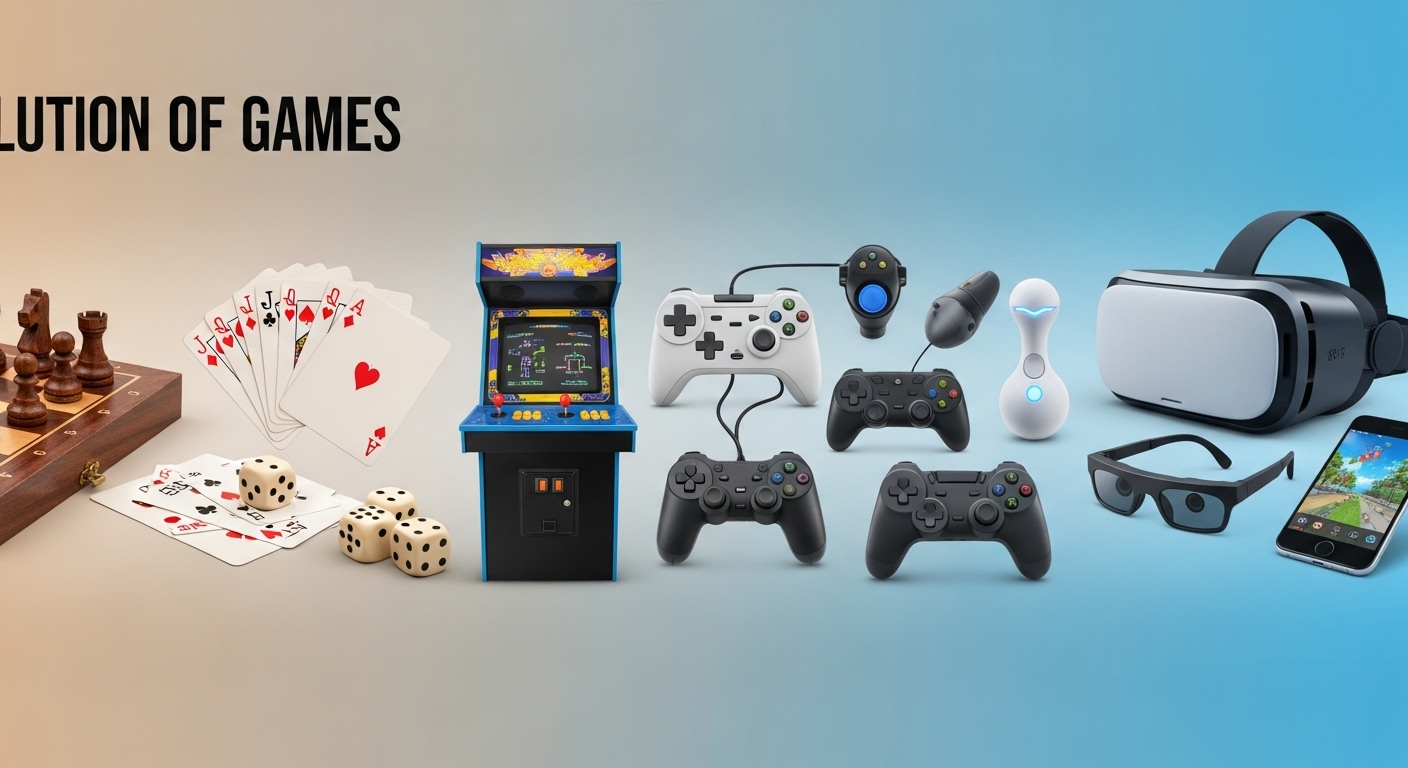
Video games, as we know them, began their journey in the early 1970s with simple games like Pong and Space Invaders. These early titles were basic in terms of graphics and gameplay but provided a glimpse of the potential that gaming held. The 1980s saw the emergence of arcade games, where players would spend hours mastering titles like Pac-Man and Donkey Kong. These games were groundbreaking in their day, creating a new form of social interaction and entertainment.
As technology advanced, so did the complexity and depth of games. The introduction of home consoles such as the Atari 2600, Nintendo Entertainment System (NES), and Sega Genesis brought gaming into the living rooms of millions. These consoles featured games that pushed the boundaries of storytelling, gameplay, and graphics. Titles like Super Mario Bros., The Legend of Zelda, and Sonic the Hedgehog introduced vast, immersive worlds that players could explore, creating experiences that felt both rewarding and captivating.
The real breakthrough in gaming came with the development of 3D graphics in the mid-90s. The release of the Sony PlayStation and the Nintendo 64 revolutionized gaming by providing more realistic environments, complex characters, and intricate storylines. This era gave birth to iconic franchises such as Final Fantasy, Metal Gear Solid, and The Legend of Zelda: Ocarina of Time, all of which are still beloved by fans today.
As we moved into the 2000s and beyond, gaming continued to evolve. High-definition graphics, open-world gameplay, and the rise of online multiplayer experiences further enhanced the immersive nature of gaming. The introduction of virtual reality (VR) and augmented reality (AR) is pushing the boundaries even further, creating experiences where players can interact with games in entirely new ways.
The Impact of Gaming on Culture and Society
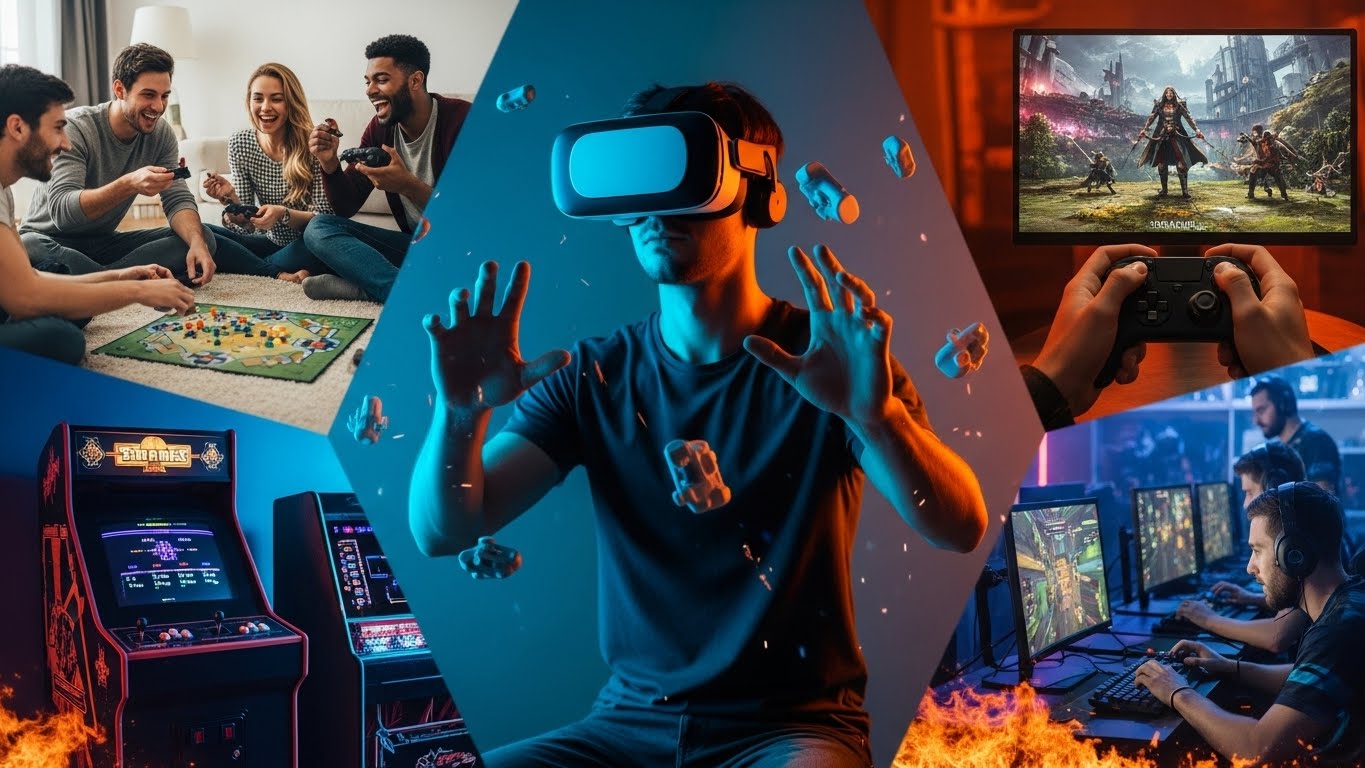
In recent years, gaming has grown from a niche pastime to a global cultural force. The rise of eSports, live streaming platforms, and social media has transformed how people engage with games. Once something done in isolation, gaming has now become a social activity. Players can connect with friends or strangers across the globe, participate in tournaments, and even watch professional players compete in events that attract millions of viewers.
The gaming industry is now worth billions of dollars and continues to grow at a rapid pace. eSports tournaments, such as The International for Dota 2 and the League of Legends World Championship, have become massive events, drawing large audiences both online and in-person. The popularity of platforms like Twitch and YouTube has made gaming content more accessible than ever before. Streamers and content creators are able to build massive followings, with some even turning their gaming careers into lucrative businesses.
Beyond entertainment, video games have become an important cultural and social phenomenon. Games such as Fortnite, Minecraft, and Animal Crossing: New Horizons have created shared experiences that allow players to form communities and forge connections. In fact, many gamers argue that video games are one of the best ways to combat social isolation. Through online multiplayer games, people from different walks of life can connect, share experiences, and even collaborate on in-game goals, breaking down geographical and social barriers.
The Many Genres of Games: Catering to Every Type of Gamer
One of the defining features of the gaming industry is its incredible diversity. Over the years, game developers have created an array of genres, each catering to different types of players. Whether you’re someone who enjoys solving puzzles, competing in fast-paced action games, or immersing yourself in a story-driven RPG, there’s something for everyone.
Action and Adventure: Action games are fast-paced, requiring quick reflexes and precise control. Titles like Super Mario Odyssey, God of War, and Spider-Man offer players the chance to engage in thrilling combat sequences, explore expansive worlds, and solve puzzles. These games often feature immersive narratives and high-octane gameplay, keeping players on the edge of their seats.
Role-Playing Games (RPGs): RPGs allow players to step into the shoes of a character and shape their journey through the game. The storylines in RPGs are often deep and complex, with rich world-building and character development. Games like The Witcher 3: Wild Hunt, Final Fantasy VII, and Elder Scrolls V: Skyrim have become legendary for their expansive worlds, moral choices, and ability to immerse players in alternate realities.
Strategy Games: For those who enjoy tactical thinking and planning, strategy games are a perfect choice. Games like Starcraft II, Civilization VI, and XCOM 2 require players to outthink and outmaneuver their opponents, whether they’re managing resources, controlling armies, or devising long-term strategies. These games often offer a slower pace, allowing players to take their time and carefully plan their next move.
Simulation and Sports Games: Simulation games aim to replicate real-world activities in a virtual environment. Games like The Sims, FIFA, and Gran Turismo give players the chance to control various aspects of life, from running a city to driving a race car. These games appeal to players who enjoy immersion in real-world experiences and provide an outlet for creativity and strategy.
Puzzle and Indie Games: Puzzle games like Tetris, Portal, and The Witness focus on solving challenges that require logic and creativity. Indie games, which are often developed by smaller studios, have become known for their unique art styles and innovative gameplay mechanics. Titles like Hollow Knight, Celeste, and Undertale have gained cult followings for their deep narratives and artistic approaches to game design.
Multiplayer and Battle Royale Games: The rise of multiplayer and battle royale games has been a major trend in recent years. Fortnite, PUBG, and Apex Legends have brought large-scale, player-versus-player experiences to the forefront, where players compete against each other to be the last one standing. These games are constantly evolving, with new updates, weapons, and skins to keep the experience fresh.
Gaming as a Career: The Professional Side of the Industry
While gaming used to be something reserved for enthusiasts and hobbyists, it has now evolved into a full-fledged career path. The rise of professional gaming, content creation, and game development has opened up new avenues for players to turn their passion for gaming into a source of income.
eSports: Competitive gaming, or eSports, has become a professional sport in its own right. Gamers can now participate in tournaments with multi-million dollar prize pools. Titles like League of Legends, Counter-Strike: Global Offensive, and Overwatch have massive competitive scenes, and the players who excel in these games are treated like athletes, with sponsorships, team affiliations, and fan followings.
Streaming and Content Creation: Streaming platforms like Twitch and YouTube have allowed gamers to share their gameplay with a global audience. Many gamers have turned their channels into full-time careers, making money from ads, donations, sponsorships, and merchandise. Some of the most successful streamers, such as Ninja, Pokimane, and Shroud, have gained millions of followers and significant media exposure.
Game Development: Behind every great game is a team of developers who work tirelessly to bring it to life. Game development has become a thriving industry, with thousands of companies creating everything from mobile games to triple-A blockbusters. For those with a passion for design, coding, or storytelling, a career in game development offers endless possibilities. Companies like Blizzard Entertainment, Electronic Arts, and Rockstar Games offer opportunities for individuals to work in a fast-paced, creative environment.
Game Journalism and Criticism: With the growing popularity of gaming, there has also been a rise in video game journalism. Writers, critics, and influencers review and discuss games, providing insights into gameplay mechanics, graphics, and narrative. Websites, YouTube channels, and social media platforms have allowed critics to build their own personal brands, offering valuable perspectives for the gaming community.
The Future of Gaming: What’s Next?
The future of gaming looks incredibly exciting, with new technologies and innovations shaping the way we play. Virtual reality (VR) and augmented reality (AR) are expected to become more mainstream, providing gamers with even more immersive experiences. Cloud gaming is also poised to change the landscape, allowing players to stream games directly to their devices without the need for powerful hardware.
Artificial intelligence (AI) and machine learning will likely play a significant role in the development of smarter, more dynamic gameplay experiences. AI could help create more interactive, adaptive narratives, where the game’s story changes based on a player’s decisions in real-time.
With the rise of subscription services like Xbox Game Pass and PlayStation Now, gaming is becoming more accessible to a broader audience. Players can access a large library of games for a monthly fee, making gaming more affordable and reducing the need for expensive hardware.
The growth of mobile gaming also suggests that the next wave of gamers will increasingly engage with games on their smartphones and tablets. As technology advances, mobile devices will continue to provide high-quality gaming experiences, ensuring that anyone with a smartphone can be part of the gaming world.