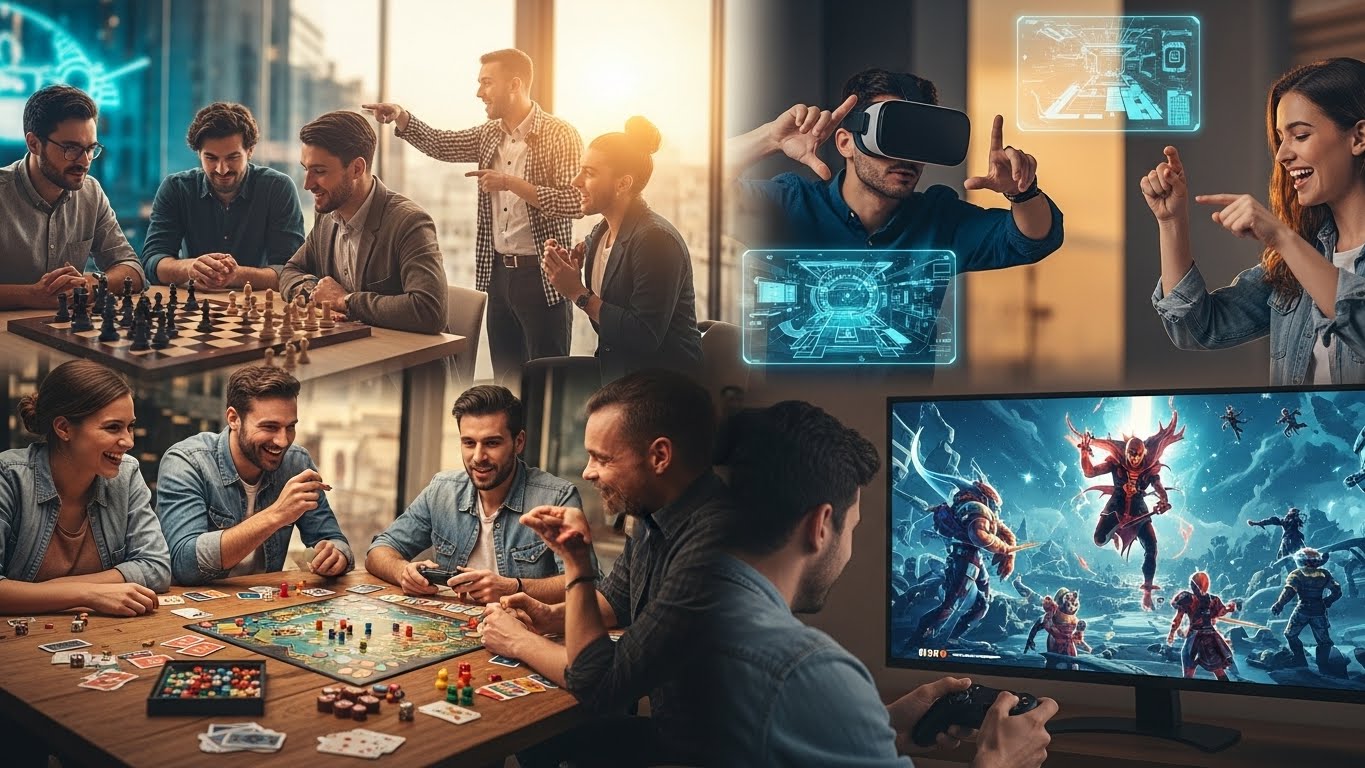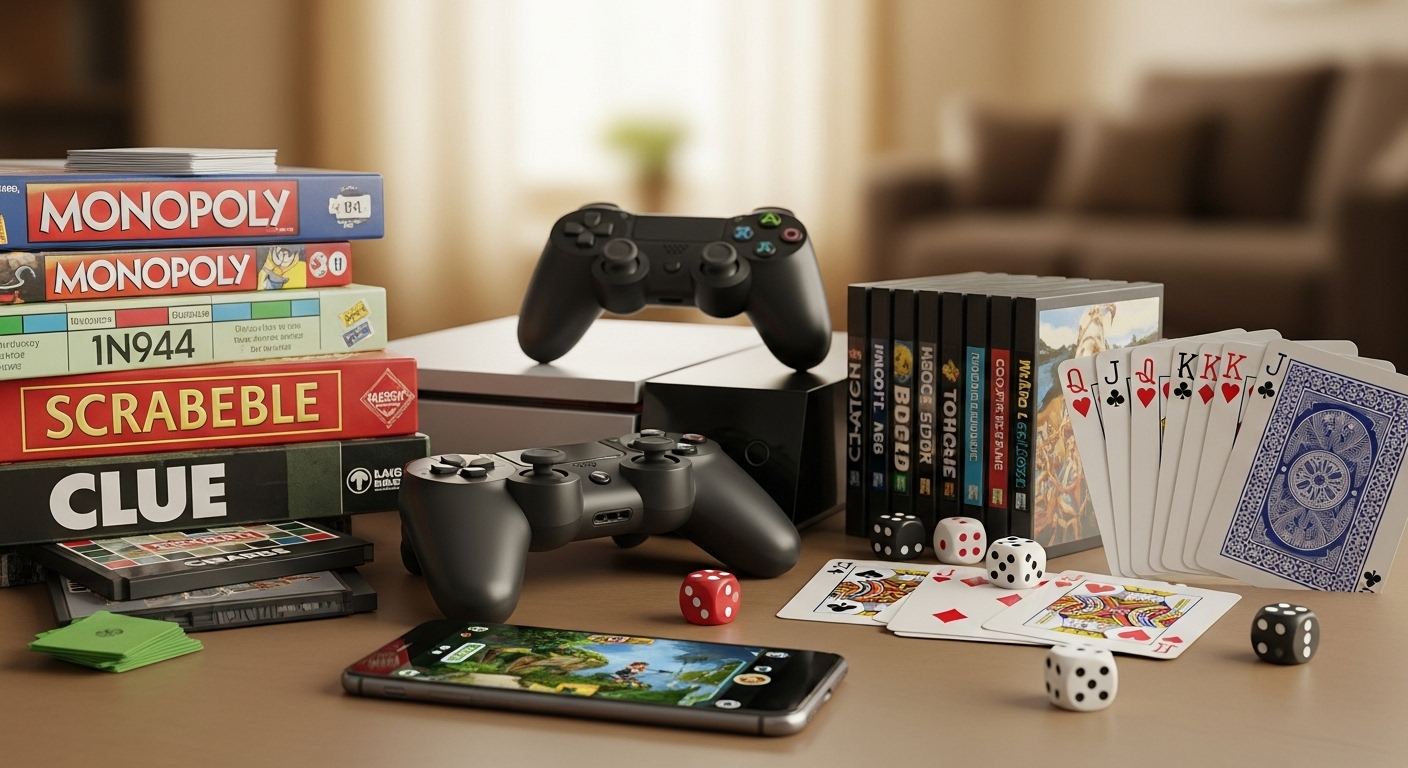
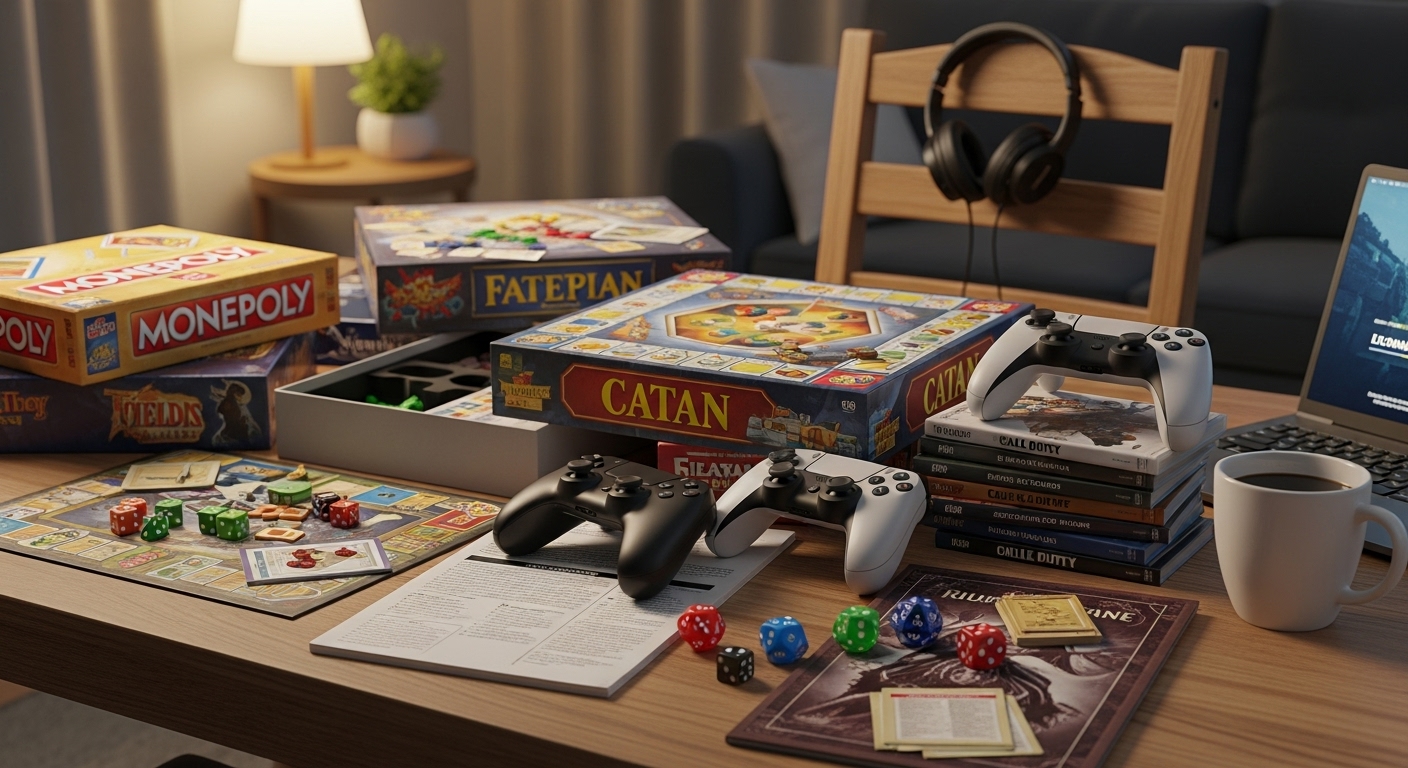
Games have always been a cornerstone of human culture. From ancient board games to the immersive virtual realities of today, they serve as a source of entertainment, learning, and social connection. The way we play has evolved dramatically, reflecting advancements in technology, culture, and human creativity.
The Origins of Gaming
The history of games stretches back thousands of years. Early civilizations created board games, puzzles, and physical contests to entertain, educate, and strengthen social bonds. Games like chess, Go, and ancient dice games were more than pastimes—they were tools for strategy, critical thinking, and even diplomacy. These early foundations laid the groundwork for the complex gaming systems we enjoy today.
The Rise of Digital Gaming
With the advent of computers and consoles, gaming entered a digital era. Video games transformed entertainment, introducing interactive storytelling, rich graphics, and complex mechanics. Players could now experience entire worlds from their living rooms, controlling characters and influencing narratives in ways that were previously unimaginable. The digital revolution made games more accessible and diversified than ever before.
Social Impact of Games
Games are not just about entertainment—they are powerful social tools. Multiplayer games allow friends, families, and even strangers from around the globe to connect, compete, and collaborate. Online communities form around shared interests, creating friendships and fostering teamwork. Beyond social interaction, games also develop cognitive skills such as problem-solving, strategic thinking, and coordination.
Gamification in Everyday Life
The influence of gaming extends beyond consoles and screens. Gamification, the application of game-like mechanics to non-gaming contexts, has transformed education, fitness, and productivity. By incorporating rewards, challenges, and progression systems, tasks become more engaging and motivating. This demonstrates the far-reaching impact of gaming principles on daily life.
The Future of Gaming
The future of gaming promises even more innovation. Virtual reality and augmented reality are creating fully immersive experiences, while artificial intelligence is enhancing gameplay dynamics and personalization. Cloud gaming and mobile platforms ensure that games are accessible anywhere, anytime. As technology continues to advance, gaming will remain a dynamic and evolving medium, blending entertainment, education, and social interaction.
Conclusion
Games have journeyed from simple pastimes to complex digital experiences, shaping culture, technology, and society along the way. They entertain, educate, and connect people across the globe. As the gaming industry continues to evolve, it will offer new opportunities for creativity, innovation, and shared experiences. The world of games is more than fun—it is a reflection of human ingenuity and the joy of play.