Introduction: Gaming as a Cultural Phenomenon
In the last few decades, gaming has transformed from a niche hobby into a global cultural force. What once started as simple entertainment on arcade machines and early home consoles has evolved into a multi-billion-dollar industry, shaping entertainment, technology, and even social behavior. From casual players to professional esports athletes, gaming has become an integral part of daily life for millions around the world. But how did gaming grow from a niche activity into a universal experience? This blog will explore the fascinating journey of gaming, its influence on society, and its evolution into an essential element of modern entertainment.
The Humble Beginnings: From Board Games to Video Games
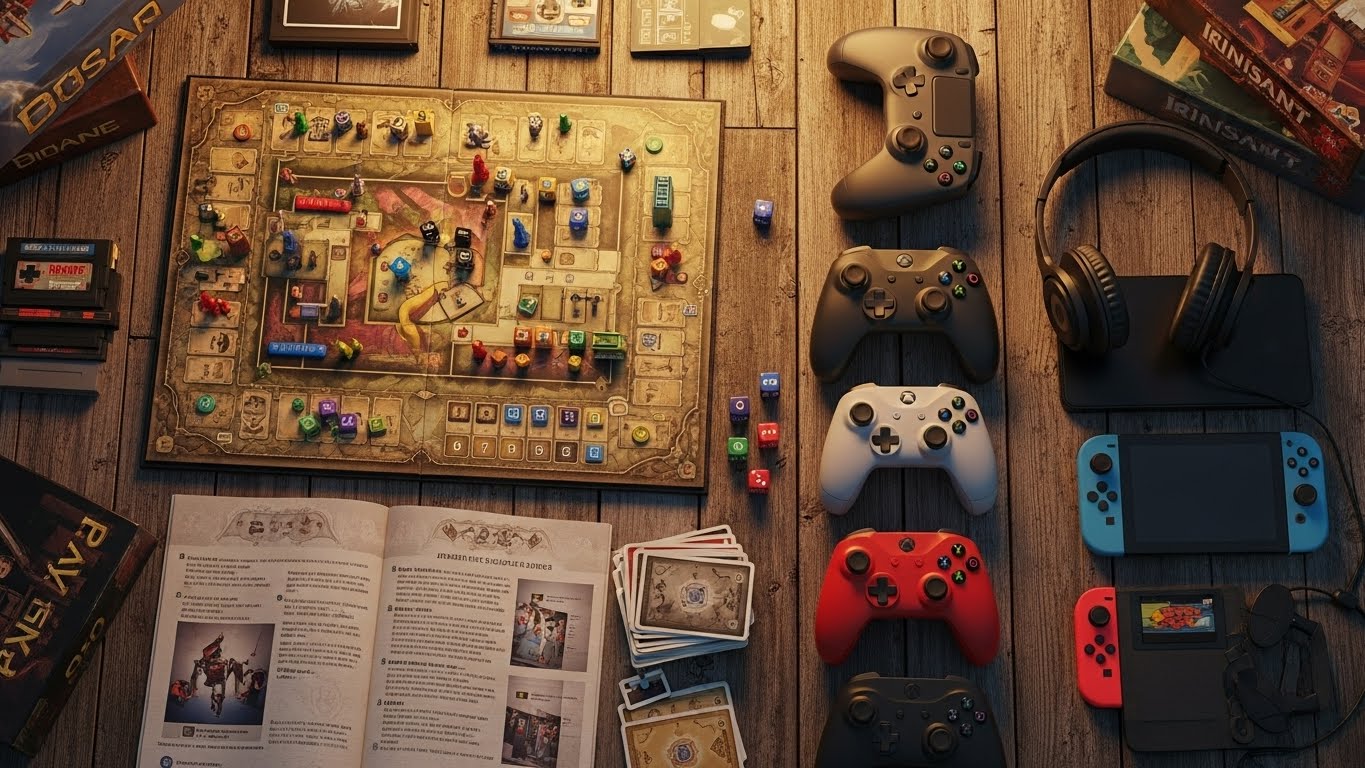
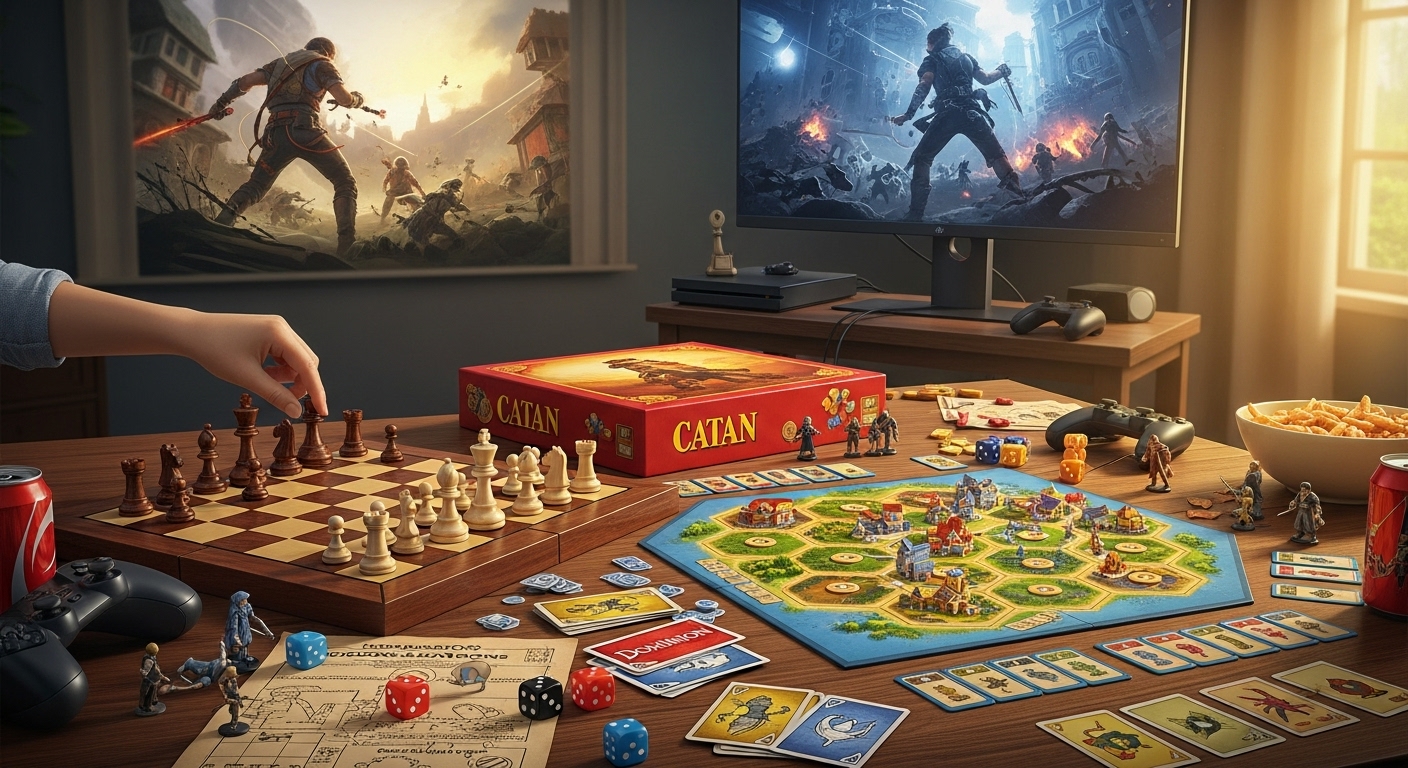
Gaming, in various forms, has existed for centuries. Board games such as chess, backgammon, and Go have been staples of human culture for millennia, offering players opportunities for strategic thinking and social interaction. These games set the foundation for the evolution of more complex games that would eventually move into the digital realm.
The earliest digital games, however, were simple creations, often rudimentary in design and gameplay. In the 1950s and 1960s, academic institutions and research labs began experimenting with early computer-based games. Games like Spacewar! (1962) marked the beginning of computer gaming, though it remained largely within the confines of universities and research circles.
By the 1970s and 1980s, the rise of arcade games, most notably Pong (1972) and Pac-Man (1980), brought gaming to the mainstream. These early games were simple in design, yet they captured the public’s imagination, signaling the start of a new era in entertainment. Video games were no longer just a novelty but became a popular form of recreational activity.
The Golden Age of Console Gaming: Enter the Home Console
The 1980s saw the birth of home console gaming, with systems like the Atari 2600 and the Nintendo Entertainment System (NES) providing players with access to a wide range of titles from the comfort of their living rooms. The development of these consoles brought the arcade experience into the home, opening up a new era of gaming that was more personal and immersive.
One of the most notable aspects of this era was the explosion of game genres. Adventure games like The Legend of Zelda, platformers like Super Mario Bros., and racing games like Pole Position showcased the creativity and variety that would define the gaming industry in the decades to come. The combination of easily accessible hardware and the growing demand for video games set the stage for the industry’s rapid growth.
This period also saw the emergence of iconic characters and franchises that have stood the test of time. Mario, Sonic, and Link became household names, and their games laid the groundwork for the cultural impact that video games would eventually have. The 1990s continued this trend, with the PlayStation and Nintendo 64 introducing more powerful hardware, better graphics, and innovative new gameplay experiences.
The Rise of Online Gaming: Connecting the World
As internet access became more widespread in the late 1990s and early 2000s, the next major leap in gaming was the rise of online multiplayer games. This period saw a profound shift in how people experienced games. No longer were players confined to single-player experiences or local multiplayer sessions. The internet allowed people to connect with others around the world, forming global communities centered around shared gaming experiences.
Titles such as Warcraft II (1995), EverQuest (1999), and Halo 2 (2004) helped solidify the online gaming landscape, offering players the chance to interact with others in real-time, team up for missions, or compete in intense multiplayer battles. Massively multiplayer online role-playing games (MMORPGs) like World of Warcraft became cultural touchstones, drawing millions of players into their vast virtual worlds.
Online gaming also marked the rise of competitive play, with organized tournaments and leagues taking off in popularity. The gaming experience was no longer just about playing a game— it became about connecting with others, collaborating, and competing in dynamic and evolving virtual environments.
Mobile Gaming: The Shift to Pocket-Sized Fun
While console and PC gaming have continued to evolve, mobile gaming has arguably had the most significant impact on the gaming landscape in the last decade. The explosion of smartphones and tablets revolutionized how and where people play games, providing easy access to entertainment no matter where they were.
Games like Angry Birds (2009), Candy Crush Saga (2012), and Pokémon GO (2016) show how mobile gaming can appeal to a broad demographic. Casual games became a central part of daily life, offering quick entertainment for people of all ages. The ease of access and the simplicity of mobile games made them particularly appealing to people who had never considered themselves “gamers” before.
The mobile gaming sector has grown exponentially, contributing billions of dollars in revenue every year. Titles like Clash of Clans, Fortnite, and PUBG Mobile have shown that mobile gaming is not just for short sessions but can offer in-depth, immersive experiences on a smaller screen. Mobile gaming has also opened up new business models, such as microtransactions and free-to-play games, which have become central to the economic structure of the industry.
Esports: From Hobby to Professional Career
Perhaps one of the most transformative changes in gaming has been the rise of esports. Esports refers to organized, multiplayer video game competitions, often involving professional players, teams, and spectators. Over the past decade, esports has grown from a niche subculture to a multi-billion-dollar industry.
Games like League of Legends, Dota 2, Counter-Strike: Global Offensive, and Overwatch have become the backbone of esports, attracting millions of viewers to live-streamed tournaments on platforms like Twitch and YouTube. The popularity of these games has led to sponsorships, massive cash prizes, and even college scholarships for aspiring esports athletes.
Esports has also changed the perception of gaming from a casual activity to a legitimate career. Professional gamers now train, compete, and make a living from playing games. Streaming and content creation have also become viable career paths, with individuals making money from broadcasting their gameplay and interacting with fans.
The Social and Cultural Impact of Gaming
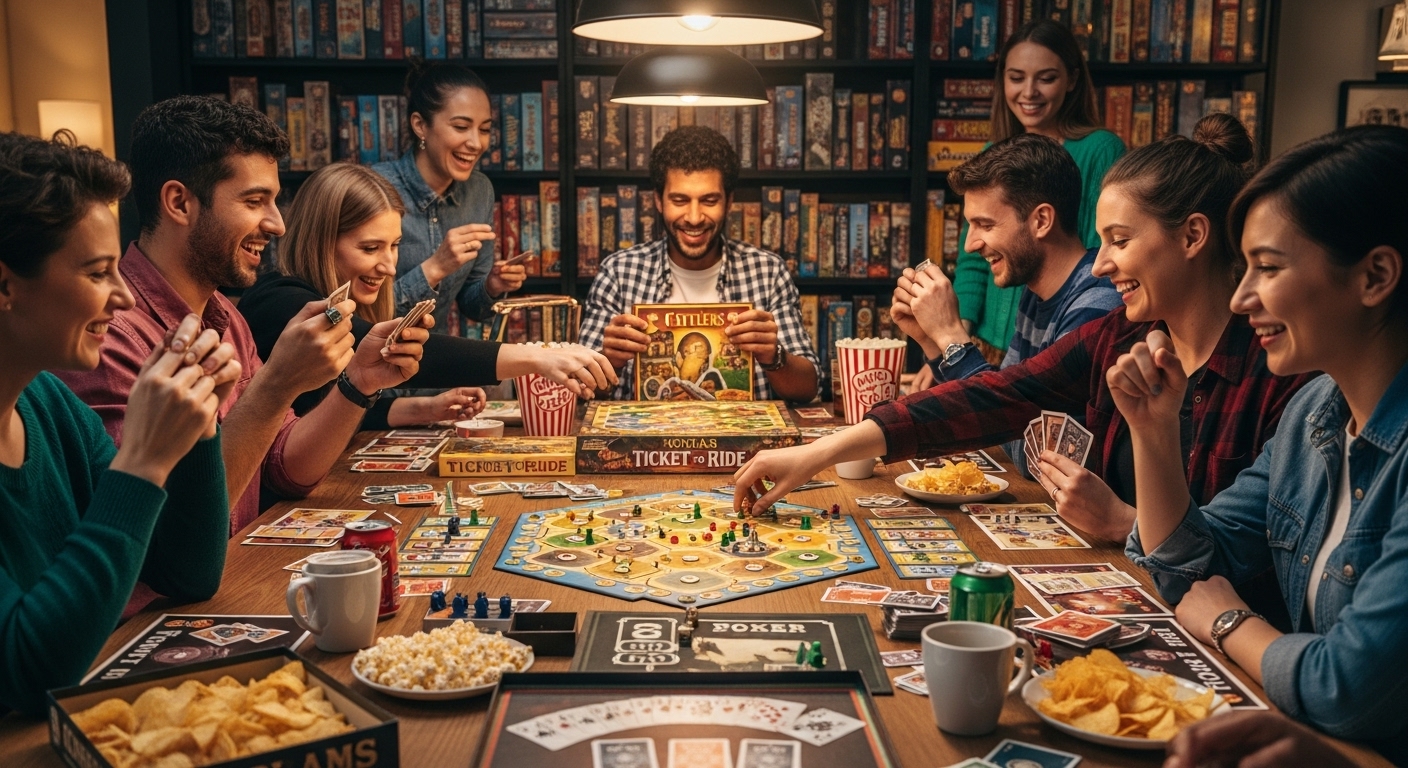
Gaming has always been more than just entertainment. It is a social experience that brings people together, whether through online multiplayer modes, fan communities, or esports events. The social aspect of gaming has had a profound impact on culture, creating new ways for people to interact, collaborate, and form friendships.
Platforms like Twitch, Discord, and Reddit have given gamers a space to share experiences, strategize, and build lasting relationships with like-minded individuals. Streaming has become a powerful form of social interaction, with players not only engaging with their games but also with their audience in real-time.
The rise of esports has also shifted the way games are perceived. Video games are no longer considered a hobby for the isolated or antisocial. Instead, gaming is increasingly recognized as a legitimate form of social engagement and entertainment, offering players an opportunity to connect with people from around the world.
The Future of Gaming: Trends to Watch
As we look ahead, the future of gaming is filled with exciting possibilities. Virtual reality (VR) and augmented reality (AR) are set to further revolutionize the way we experience games, providing highly immersive environments that blur the line between the digital and physical worlds. Companies like Oculus, HTC, and Sony are leading the charge in developing VR hardware that will transform the gaming experience.
Cloud gaming is another trend to watch. With services like Google Stadia, Xbox Cloud Gaming, and NVIDIA GeForce Now, players will soon be able to stream games without the need for expensive hardware, making high-quality gaming more accessible to a broader audience.
Finally, artificial intelligence (AI) will play a more prominent role in gaming, from creating more dynamic and responsive non-playable characters (NPCs) to enhancing procedural generation for infinite, ever-evolving worlds.
Conclusion: Gaming in the Digital Age
Gaming has come a long way from its humble beginnings as a niche hobby. Today, it is a global industry that has reshaped the way we think about entertainment, socialization, and even work. Whether you’re a casual mobile gamer or a professional esports competitor, gaming has become a part of daily life for millions, offering entertainment, education, and connection. As technology continues to evolve, the future of gaming promises to be even more immersive, interactive, and inclusive, with new opportunities for players and developers alike.
The gaming world has proven itself to be resilient and adaptable, continuously pushing the boundaries of what entertainment can be. It’s clear that gaming is more than just a pastime—it is now an essential part of modern culture, one that will continue to evolve and captivate audiences for generations to come.