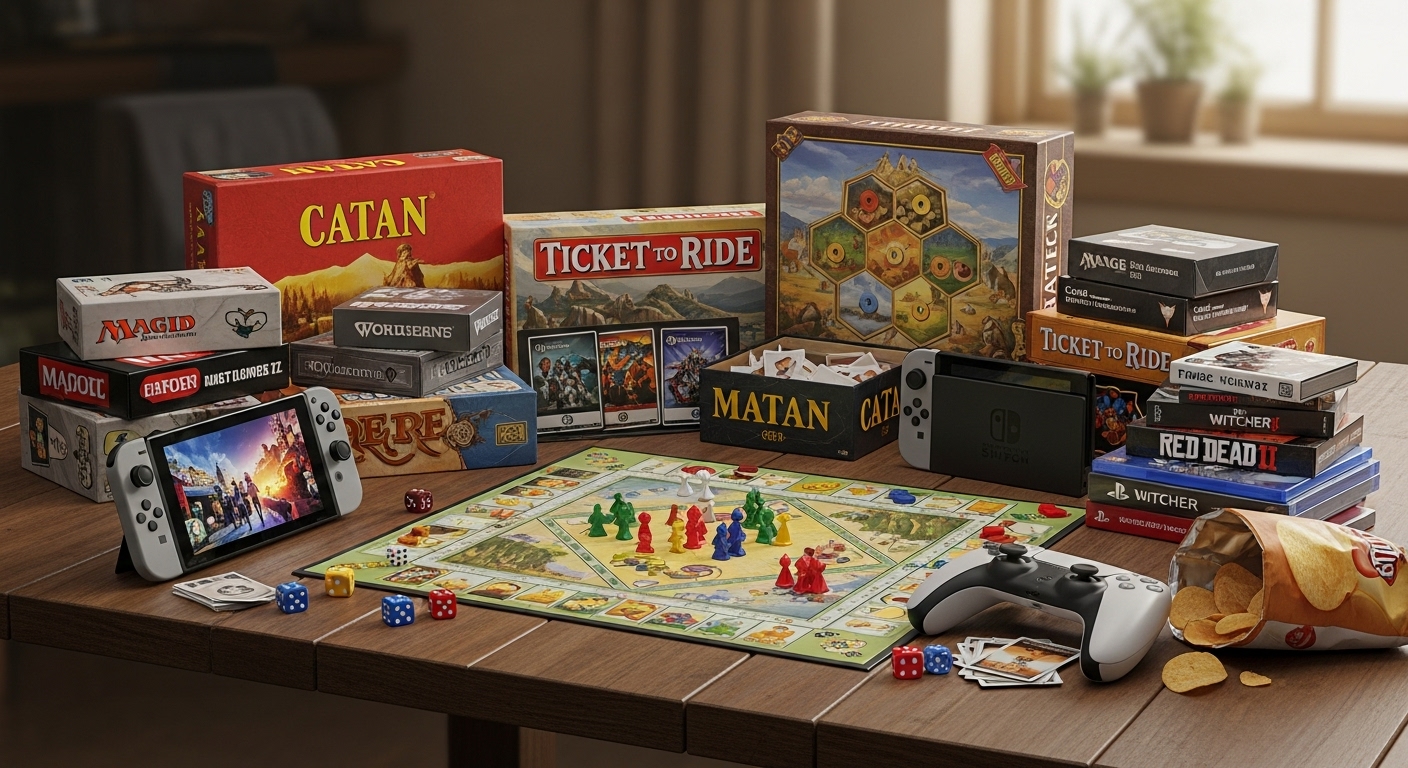
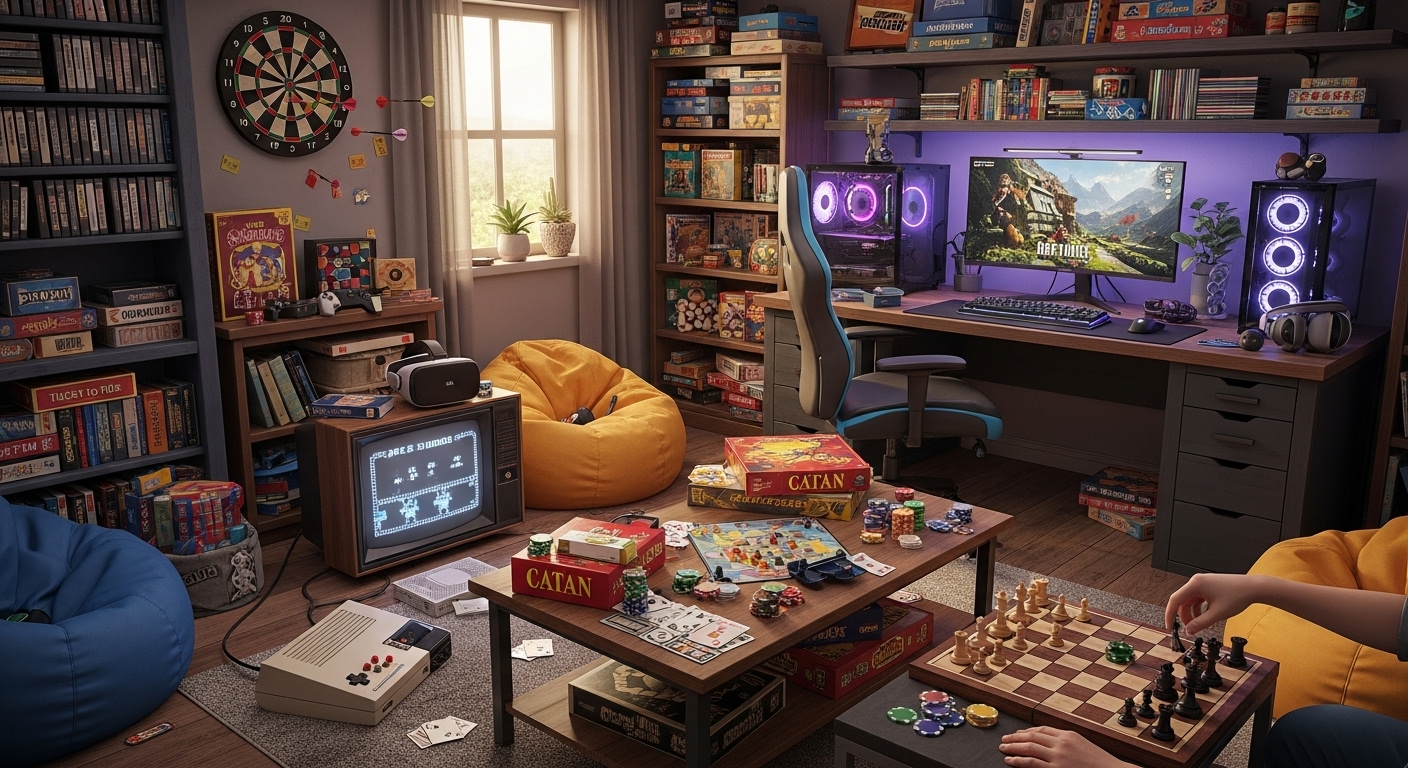
The world of gaming has undergone a remarkable transformation over the past few decades. What once began as simple pixelated visuals and straightforward gameplay has now evolved into an entire culture, shaping entertainment, social interactions, and even the way people learn and work. From early arcade games to the fully immersive virtual worlds of today, the gaming industry continues to push boundaries and redefine what it means to be entertained. In this blog, we will explore the evolution of games, the current state of gaming, and the future of this ever-changing industry.
The Birth of Gaming: Simple Beginnings
The origins of gaming can be traced back to the early 1950s and 1960s when computer scientists began experimenting with interactive entertainment. The first true video game is often considered to be Tennis for Two (1958), a simple tennis simulation displayed on an oscilloscope. However, it wasn’t until the 1970s that video games truly began to take form as a mainstream hobby.
Arcade Games: The Foundation of Gaming Culture
In 1972, Pong, created by Atari, hit the market and became the first commercially successful arcade game. Pong was a simple two-dimensional ping-pong simulation, but its success marked the beginning of a new era. Arcades sprang up all over the world, offering a wide variety of games that attracted players of all ages. The simple mechanics of these early games were easy to grasp, yet challenging enough to keep players coming back for more.
Games like Space Invaders, Asteroids, and Pac-Man followed, solidifying the arcade as a cornerstone of the gaming industry. These games were not just a form of entertainment; they became social hubs where people could come together and compete. The arcade era laid the foundation for what would become a global gaming culture.
Early Console Games: Bringing Gaming Home
As gaming technology improved, the next major milestone came in the form of home consoles. In the late 1970s and early 1980s, home gaming systems like the Atari 2600 and the Nintendo Entertainment System (NES) brought the arcade experience into people’s living rooms. These consoles made it possible for players to enjoy video games in the comfort of their homes, and they helped spread gaming into mainstream culture.
The 8-bit and 16-bit era of gaming saw the birth of iconic franchises like Super Mario, The Legend of Zelda, and Metroid. These games introduced players to more complex narratives, characters, and worlds. As technology advanced, games began to evolve from simple puzzles and challenges to intricate experiences that required strategy, reflexes, and problem-solving skills.
The Rise of Computer Gaming: A New Frontier
While consoles were dominating the home gaming market, personal computers were also becoming more powerful and accessible. The 1980s and 1990s saw the rise of PC gaming, which introduced a new level of depth and complexity to the gaming experience.
Strategy Games: Challenging the Mind
One of the most influential genres to emerge from the PC gaming scene was the strategy game. Games like Civilization, SimCity, and Command & Conquer gave players the ability to control entire civilizations, manage resources, and engage in complex decision-making processes. These games required not just quick reflexes, but also strategic thinking and planning, setting them apart from the simpler, action-oriented games of earlier years.
The strategy genre would go on to influence other types of games, including the real-time strategy (RTS) and massively multiplayer online (MMO) genres, which brought together players from all over the world in epic battles and collaborative experiences.
The Evolution of Graphics and Storytelling
As hardware technology advanced, the visual quality of games improved significantly. The 1990s saw the rise of 3D graphics, with games like Doom and Quake setting new standards for immersive environments. These games not only pushed the boundaries of technology but also began to emphasize narrative, with stories becoming more integral to the gaming experience. The Elder Scrolls series and Half-Life were among the first games to use sophisticated storytelling techniques that rivaled those found in films and literature.
In addition to storytelling, the ability to play online with others became a major draw for PC gamers. Early multiplayer games like Warcraft and Diablo connected players via local area networks (LANs), and as internet speeds improved, online gaming began to flourish.
The Modern Era: Mobile Gaming, VR, and the Explosion of eSports
The 21st century has seen an explosion of innovation in gaming, with new platforms, technologies, and genres emerging at an unprecedented rate. Today, gaming is a massive global industry that spans multiple platforms, including consoles, PC, mobile devices, and virtual reality (VR). Gaming has become a ubiquitous part of popular culture, with players from all walks of life engaging in interactive entertainment on a daily basis.
The Mobile Revolution: Gaming on the Go
One of the most significant changes in the gaming landscape has been the rise of mobile gaming. With the advent of smartphones and tablets, gaming has become more portable than ever. Casual games like Angry Birds, Candy Crush, and Pokémon GO have brought gaming to millions of people who may never have considered playing video games before. These games have broad appeal due to their easy-to-learn mechanics and accessibility.
Mobile gaming has also introduced new monetization models, such as in-app purchases and ad-supported games, which have reshaped the business of gaming. While some argue that these models can lead to predatory practices, mobile gaming remains one of the most accessible and profitable segments of the industry.
Virtual Reality: The Future of Immersive Gaming
Virtual reality (VR) has been a long-time dream for gamers, and in recent years, it has become a reality. With the development of VR headsets like the Oculus Rift, HTC Vive, and PlayStation VR, players can now experience gaming in a completely immersive 360-degree environment. VR has the potential to revolutionize not just gaming, but how we interact with digital content in general.
Games like Beat Saber, Half-Life: Alyx, and Superhot VR have shown what VR is capable of, offering unique experiences that go beyond traditional gaming. As technology continues to improve, we can expect VR to play an increasingly central role in the gaming industry, offering even more lifelike and engaging experiences.
eSports: The Rise of Competitive Gaming
Alongside technological advancements, another major trend in the gaming world has been the rise of eSports. What started as small-scale, grassroots competitions has grown into a multi-billion-dollar industry with massive global tournaments, professional players, and dedicated fanbases. Games like League of Legends, Counter-Strike: Global Offensive, Dota 2, and Fortnite have become the focal point of competitive gaming, with millions of viewers tuning in to watch live broadcasts of tournaments.
eSports has created new career opportunities for players, coaches, analysts, and streamers, while also giving rise to sponsorships, advertising deals, and a new era of digital content creation. Platforms like Twitch and YouTube have played a significant role in the rise of eSports, offering gamers a place to showcase their skills and connect with audiences in real-time.
The Future of Gaming: What’s Next?
The gaming industry is constantly evolving, and the future holds exciting possibilities. As technology continues to advance, the line between gaming and reality will blur even further. Let’s look at some trends and innovations that could shape the next generation of gaming.
Artificial Intelligence and Procedural Generation
One of the most exciting developments in gaming is the integration of artificial intelligence (AI) and procedural generation. AI can be used to create more dynamic, responsive worlds that adapt to the player’s actions. For example, NPCs (non-playable characters) could evolve based on player behavior, or entire game worlds could change in response to player choices.
Procedural generation, on the other hand, refers to the use of algorithms to create content in real-time. This could allow for the creation of virtually endless game worlds that are unique to every player. Games like Minecraft and No Man’s Sky have already demonstrated the potential of procedural generation, and future games could push this technology even further.
Cloud Gaming: Play Anywhere, Anytime
Cloud gaming is another area with immense potential. With cloud gaming, players can stream games directly to their devices, bypassing the need for expensive hardware like gaming consoles or high-end PCs. Services like Google Stadia, Xbox Cloud Gaming, and NVIDIA GeForce Now are already making waves in this space.
Cloud gaming could democratize gaming, allowing more people around the world to access high-quality games without needing powerful gaming machines. As internet speeds improve and latency issues are resolved, cloud gaming could become the go-to method for playing games.
More Social and Collaborative Experiences
Gaming is increasingly becoming a social experience, and the future of gaming will likely emphasize collaboration and interaction. Games like Fortnite and Among Us have shown that multiplayer games with strong social components can capture massive audiences. Future games could include even more cooperative gameplay, immersive storytelling, and community-driven content.
Moreover, games will likely integrate more with social media and other digital platforms, allowing players to seamlessly share their experiences, achievements, and moments with friends.
Conclusion: Gaming as a Global Cultural Phenomenon
The gaming industry has come a long way since the early days of Pong. From arcade games to mobile devices, virtual reality, and eSports, gaming has become a multifaceted cultural phenomenon that influences everything from entertainment and technology to social interaction and even education. As technology continues to advance, the possibilities for gaming are endless, and we can expect even more innovative and immersive experiences in the years to come.