
Introduction: Understanding the Meaning of Games
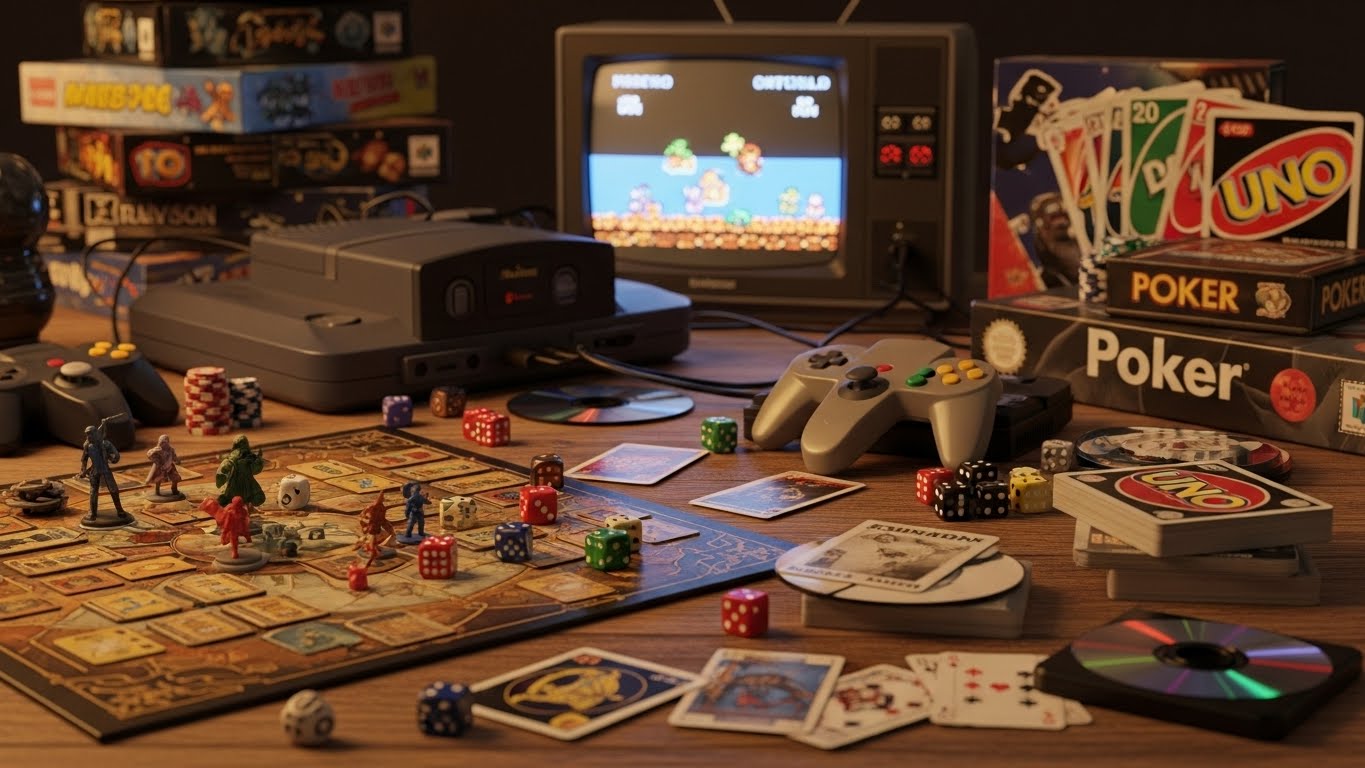
Games have always been a vital part of human existence. Long before modern technology, people gathered to play games that tested skill, strategy, and imagination. Today, games exist in countless forms, from traditional board games and sports to advanced digital worlds that feel almost real. Games are no longer limited to entertainment alone; they influence learning, social interaction, creativity, and even professional careers. This blog explores the world of games, their evolution, their impact on individuals and society, and why they continue to hold such importance in modern life.
The Historical Journey of Games
The history of games stretches back thousands of years. Ancient civilizations created games not only for leisure but also for education and cultural expression. Board games like chess and early dice games required logic, patience, and foresight. These games were often passed down through generations, becoming part of cultural identity. As societies evolved, so did games. Sports emerged as physical expressions of competition and teamwork, while tabletop and role-playing games encouraged storytelling and imagination. The invention of computers marked a major turning point, introducing digital games that transformed play into an interactive, global experience.
Games as a Source of Entertainment
At their core, games exist to entertain. They offer excitement, challenge, and enjoyment in ways that few other activities can match. Unlike passive entertainment such as watching television, games require active participation. Players make decisions, solve problems, and experience consequences. This level of involvement creates deeper engagement and satisfaction. Games allow people to escape routine, explore new worlds, and experience emotions ranging from joy to suspense. Whether played alone or with others, games provide a refreshing break from daily responsibilities and stress.
Mental and Cognitive Benefits of Playing Games
Games play an important role in mental development. Strategy games sharpen decision-making and planning skills. Puzzle games improve memory, concentration, and logical thinking. Action-based games enhance reaction time, coordination, and focus. Even simple games encourage the brain to process information quickly and adapt to changing situations. These mental benefits apply to players of all ages, making games valuable tools for maintaining cognitive health. When played responsibly, games stimulate the mind and encourage continuous learning.
Games and Emotional Well-Being
Beyond mental stimulation, games also support emotional health. Playing games can reduce stress and anxiety by offering a sense of control and achievement. Completing levels, solving challenges, or winning matches provides feelings of success and confidence. Games can also serve as emotional outlets, allowing players to express creativity or channel frustration in a safe environment. Story-driven games, in particular, help players connect with characters and explore emotions such as empathy, courage, and resilience.
The Social Power of Games
Games have a strong social dimension. Multiplayer games encourage communication, teamwork, and collaboration. Online gaming communities connect people from different cultures, languages, and backgrounds, creating friendships that extend beyond the screen. Traditional games and sports strengthen family bonds and social relationships through shared experiences. Competitive and cooperative play teaches respect, sportsmanship, and problem-solving within a group. Games bring people together, creating moments of laughter, challenge, and connection.
Games as Cultural Influencers
Games reflect and shape culture. Traditional games preserve customs and values, while modern games often address social themes, moral choices, and real-world challenges. Popular games influence fashion, music, language, and storytelling styles. Gaming culture has grown into a global movement with its own events, communities, and traditions. Characters, catchphrases, and gameplay styles become part of shared cultural memory. Games act as mirrors of society, reflecting human creativity, struggles, and aspirations.
The Educational Value of Games
Games have proven to be powerful educational tools. Learning through games makes complex concepts easier to understand and more engaging. Educational games teach mathematics, history, science, and language skills through interactive experiences. Simulation games allow players to experiment with real-world systems such as economics, city planning, or environmental management. Schools and educators increasingly recognize the value of game-based learning, using games to motivate students and improve retention. Games transform education from a passive process into an active and enjoyable journey.
Creativity and Imagination in Games
Creativity is at the heart of gaming. Many games encourage players to build, design, and customize worlds, characters, and stories. Open-ended games allow limitless exploration and self-expression. Even structured games inspire creativity through problem-solving and strategic thinking. Game development itself is a creative discipline, combining art, music, storytelling, and technology. Players often become creators, designing content, strategies, and narratives that expand the gaming experience. Games nurture imagination and innovation in ways few other mediums can.
Competitive Gaming and Professional Play
Competitive gaming has grown into a serious profession. Organized tournaments attract massive audiences and require high levels of skill, discipline, and teamwork. Professional players train extensively, analyzing strategies and improving performance. Competitive gaming promotes qualities such as perseverance, adaptability, and focus. It has also created opportunities in coaching, event management, content creation, and analysis. This competitive environment shows that games can be more than hobbies; they can be careers that demand dedication and excellence.
Technological Advancements in Gaming
Technology continues to reshape the gaming experience. Improved graphics, realistic physics, and advanced sound design create immersive environments. Artificial intelligence enhances gameplay by adapting challenges to player behavior. Virtual and augmented reality offer deeper levels of immersion, allowing players to interact with digital worlds in new ways. As technology progresses, games become more accessible and inclusive, reaching wider audiences. Innovation ensures that gaming remains dynamic and constantly evolving.
Challenges and Responsible Gaming
Despite their benefits, games also present challenges. Excessive play can lead to physical strain, social withdrawal, or reduced productivity. Online environments may expose players to negative behavior if not managed properly. It is important to approach gaming with balance and responsibility. Setting limits, choosing positive communities, and maintaining a healthy lifestyle ensure that games remain a positive influence. Awareness and responsible design play crucial roles in addressing these challenges.
Games as Storytelling Experiences
Modern games are powerful storytelling tools. Interactive narratives allow players to shape stories through choices and actions. These stories explore complex themes such as identity, morality, sacrifice, and hope. Players become active participants rather than passive observers, creating deeper emotional connections. This interactive storytelling makes games a unique and impactful medium, capable of delivering meaningful messages and unforgettable experiences.
The Economic Impact of the Gaming Industry
The gaming industry is a major contributor to the global economy. It creates jobs across development, design, marketing, and media. Games drive innovation in technology and entertainment. Merchandise, events, and competitive play generate additional economic value. The industry’s growth highlights the importance of games not only as cultural products but also as economic drivers shaping modern markets.
The Future of Games
The future of games is full of potential. Advances in technology will continue to blur the line between physical and digital play. Games will become more personalized, immersive, and inclusive. New genres and experiences will emerge, reflecting changing social values and creative ideas. Despite technological changes, the core purpose of games will remain the same: to inspire, challenge, and connect people.
Conclusion: Why Games Matter
Games are more than simple forms of play. They shape minds, build communities, and reflect culture. They educate, entertain, and inspire creativity across generations. From ancient board games to advanced digital experiences, games have grown alongside humanity, adapting to changing times while preserving the joy of play. As society continues to evolve, games will remain a powerful force, reminding us of the importance of imagination, connection, and the simple pleasure of playing.