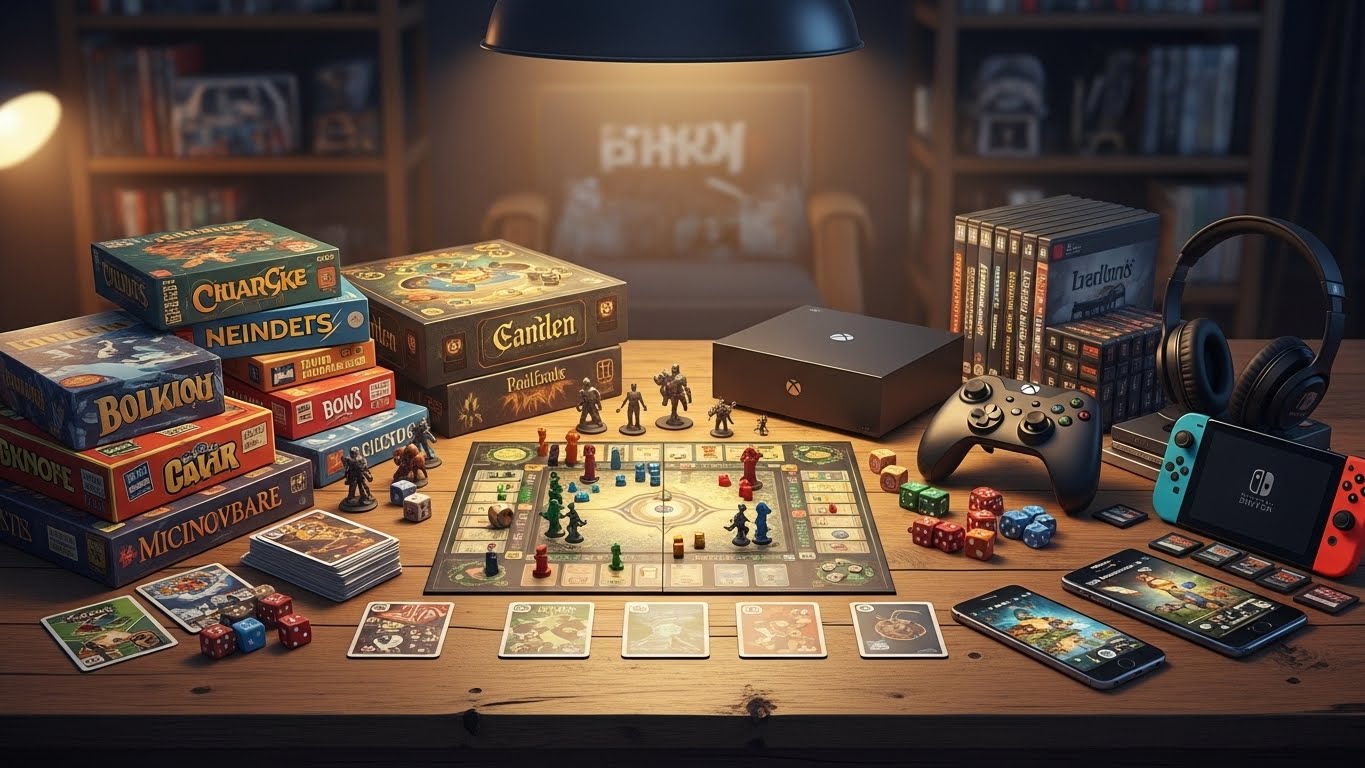

Introduction: The Evolution of Games
Games have been an essential part of human culture for centuries. From ancient board games to modern video games, they serve as entertainment, social engagement, and cognitive development tools. In today’s digital age, games have evolved into highly interactive experiences that go beyond mere amusement. They blend storytelling, strategy, and social interaction to create immersive worlds that captivate millions worldwide. This blog explores the diverse landscape of games, their impact on society, and why they continue to be a cornerstone of modern entertainment.
The Origins of Games
The history of games dates back thousands of years. Ancient civilizations played board games, dice games, and strategy-based challenges, often reflecting cultural, religious, or educational values. Games were more than entertainment; they were tools to develop problem-solving skills, encourage social interaction, and teach moral lessons.
With the invention of electronic computers in the 20th century, games began to evolve into digital formats. Early arcade games, home consoles, and computer games laid the foundation for the interactive entertainment we see today.
The Rise of Video Games
Video games revolutionized the concept of interactive entertainment. Unlike traditional board or card games, video games provided immersive worlds, dynamic challenges, and real-time feedback. Classic titles such as Pac-Man, Super Mario, and Tetris captured the imagination of millions, proving that digital games could be both engaging and commercially successful.
The evolution of technology, including graphics, sound design, and processing power, has allowed games to become more sophisticated. Modern video games are not only visually stunning but also rich in narrative, strategy, and gameplay complexity.
Gaming as a Form of Storytelling
Games are now recognized as a powerful medium for storytelling. Unlike books or movies, they allow players to actively participate in the narrative. Role-playing games, adventure games, and interactive simulations place players at the center of the story, giving them agency to influence outcomes.
This form of storytelling enhances immersion and emotional connection. Players do not simply watch events unfold; they make decisions, face consequences, and experience a sense of accomplishment. The interactive nature of games adds depth and engagement that traditional entertainment often cannot replicate.
Competitive Gaming and Esports
The rise of competitive gaming, or esports, has transformed games into spectator sports. Players and teams compete professionally in tournaments that attract millions of viewers worldwide. Popular games like League of Legends, Dota 2, Counter-Strike, and Fortnite have created thriving communities and professional career opportunities.
Esports demonstrates that games are more than leisure—they are a platform for skill, strategy, and global competition. The industry now includes coaches, analysts, commentators, and event organizers, mirroring traditional sports in structure and professionalism.
The Social Aspect of Games
Games are inherently social. Multiplayer games, cooperative challenges, and online communities allow players to connect, collaborate, and compete. Social interaction within games fosters friendships, teamwork, and communication skills.
Even single-player games often include community elements, such as forums, fan art, and discussion platforms, allowing players to share experiences and strategies. The social dimension of gaming enhances engagement and makes the experience richer and more meaningful.
Mobile Gaming: Gaming on the Go
The advent of smartphones has made gaming more accessible than ever. Mobile games allow players to enjoy entertainment anytime and anywhere, from casual puzzle games to competitive strategy titles.
Mobile gaming has broadened the gaming audience, attracting players of all ages and demographics. The convenience of mobile devices has transformed gaming into a seamless part of daily life, making it a ubiquitous form of entertainment.
The Impact of Technology on Games
Technology drives the evolution of games. Advances in graphics, artificial intelligence, virtual reality, and augmented reality have expanded the possibilities of gameplay. VR and AR, in particular, offer immersive experiences that blend physical and digital worlds, creating unprecedented levels of engagement.
Artificial intelligence enhances game design by providing dynamic challenges, responsive characters, and adaptive difficulty. These technological innovations ensure that games remain fresh, challenging, and engaging for diverse audiences.
Educational and Cognitive Benefits of Games
Games are more than entertainment—they also provide cognitive and educational benefits. Strategy games improve problem-solving skills, decision-making, and planning. Puzzle games enhance critical thinking and pattern recognition. Role-playing and simulation games can teach history, culture, and real-world skills in an interactive format.
Gamification has been applied in education and training, demonstrating that games can be effective tools for learning. By combining fun with skill development, games offer both entertainment and personal growth.
Diversity in Game Genres
The gaming world offers a vast array of genres to suit every type of player. Action games, adventure games, sports simulations, strategy games, and casual games cater to different interests and skill levels. This diversity ensures that games remain accessible and appealing to a wide audience.
Developers constantly experiment with new mechanics, storylines, and interactive features, keeping the gaming landscape dynamic and innovative. Players have the freedom to explore multiple genres, ensuring that boredom is never an issue.
The Cultural Influence of Games
Games influence culture in significant ways. They inspire movies, music, merchandise, and even fashion. Iconic characters, storylines, and game mechanics often become part of popular culture, creating shared experiences across generations.
Gaming also encourages creativity, whether through modding, fan art, streaming, or content creation. Players and communities contribute to a vibrant culture that extends far beyond the digital screen.
The Psychological and Emotional Impact of Games
Games offer emotional engagement that traditional entertainment often cannot replicate. They provide challenges, achievements, and narratives that evoke joy, tension, excitement, and empathy. Players experience a sense of accomplishment when overcoming obstacles, completing quests, or winning competitions.
Moreover, games can provide stress relief, relaxation, and emotional escape. Immersing oneself in a game world allows players to recharge mentally while engaging in stimulating and rewarding activities.
The Future of Gaming
The future of gaming promises even more innovation and immersion. Advances in cloud gaming, artificial intelligence, virtual reality, and interactive storytelling will redefine the gaming experience. Games will become more personalized, accessible, and interactive, offering experiences tailored to individual preferences and skill levels.
The integration of new technologies will blur the line between gaming, social interaction, and entertainment, creating experiences that are not only fun but transformative. Gaming will continue to shape culture, technology, and human interaction in ways that we are only beginning to understand.
Conclusion: Games as a Core Part of Modern Life
Games are no longer simply pastimes—they are central to modern entertainment, culture, and human experience. From ancient board games to cutting-edge virtual reality experiences, they engage, challenge, and connect people worldwide.
Whether through immersive storytelling, competitive esports, social interactions, or cognitive skill-building, games have become a dynamic and essential part of life. As technology evolves and creativity flourishes, the world of games will continue to expand, offering endless possibilities for enjoyment, learning, and connection.