
Introduction: The Enduring Appeal of Games
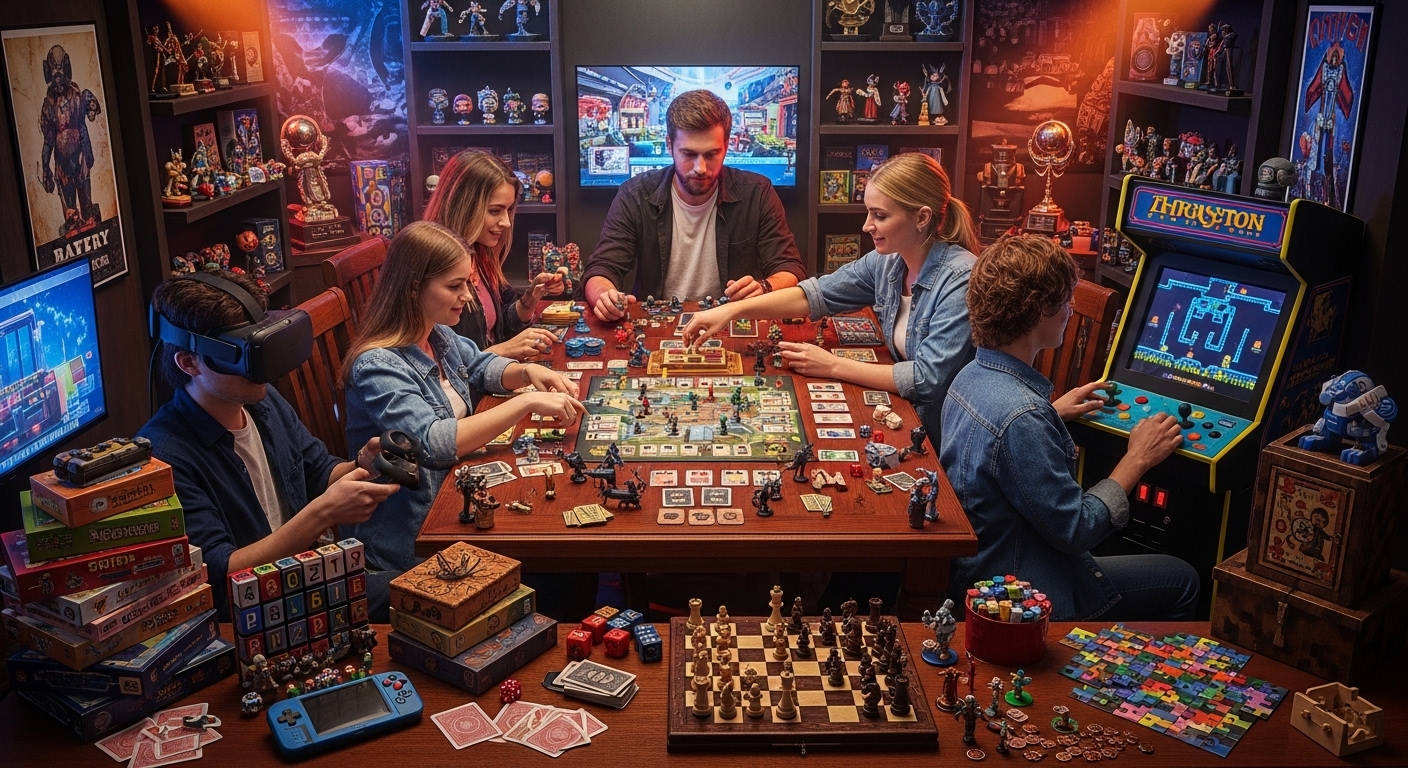
Games have been an integral part of human society for centuries. From traditional board games played on wooden tables to the digital marvels of modern gaming, humans have always sought play as a source of joy, challenge, and social connection. Games are not only a form of entertainment—they influence creativity, strategic thinking, teamwork, and even culture. In the modern era, the gaming industry has expanded to encompass video games, mobile games, esports, and interactive experiences that connect people across the globe. This blog explores the multifaceted world of games, their evolution, impact, and why they continue to captivate players of all ages.
The History and Evolution of Games
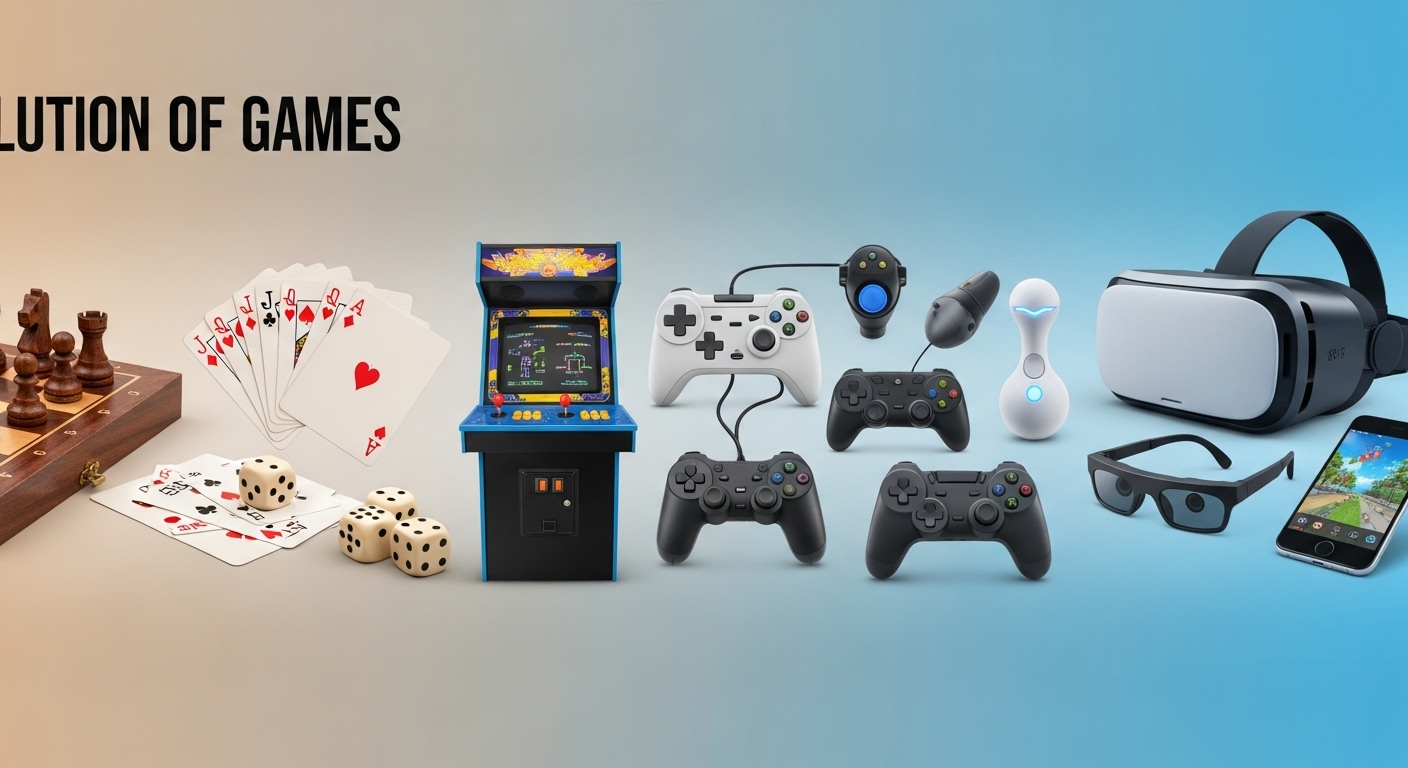
Games have existed for thousands of years. Ancient civilizations enjoyed board games, dice, and physical challenges that combined strategy with social interaction. Chess, one of the earliest known strategy games, dates back centuries and is still played worldwide. Card games, puzzles, and sports have also been central to entertainment, education, and social bonding. With the advent of technology, games evolved from simple analog experiences to complex digital worlds. The introduction of video games in the late 20th century revolutionized play, combining graphics, sound, and interactive storytelling to create immersive experiences that were previously unimaginable. Today, games continue to evolve at a rapid pace, driven by advances in hardware, software, and creative design.
The Rise of Digital and Video Games
Digital games transformed the way people play. Early consoles and personal computers brought games into homes, allowing interactive experiences beyond the physical limitations of traditional board games. Video games range from casual mobile apps to high-end console and PC titles featuring vast open worlds, realistic graphics, and complex narratives. Genres vary widely, from role-playing games and first-person shooters to simulation and puzzle games. Digital games offer challenges, exploration, and creativity, making them more than mere entertainment—they are immersive experiences that require strategy, problem-solving, and adaptability.
Storytelling and Immersion in Games
One of the most compelling aspects of modern games is storytelling. Unlike films or books, games allow players to actively participate in narratives. Players make choices that can alter outcomes, shape characters, and impact the game world itself. Role-playing games, adventure titles, and narrative-driven games immerse players in rich universes where every decision matters. This interactivity creates emotional engagement, making players feel personally connected to the story. Immersive gameplay combines visuals, sound, and mechanics to transport players into worlds limited only by imagination, demonstrating that games are not just pastimes—they are a form of art and storytelling.
Games as a Social Platform
Games are increasingly social experiences. Multiplayer games, online communities, and cooperative missions allow people to connect across countries and cultures. Players form teams, guilds, and clans, collaborating to achieve objectives or competing in friendly rivalry. Social interaction is built into gameplay through chat systems, collaborative tasks, and shared challenges. For many, gaming is not just about winning—it is about forming friendships, working together, and sharing experiences. Online gaming communities often create a sense of belonging, offering social support and opportunities for connection that extend far beyond the digital screen.
The Creative Potential of Games
Creativity is at the core of gaming. Many games allow players to design characters, build environments, and even develop entire worlds. Sandbox games, in particular, encourage players to experiment and innovate, turning them into creators as well as participants. Game development itself is a creative process, combining art, music, narrative design, and programming. Independent developers often push the boundaries of creativity, introducing new mechanics, stories, and visual styles. Games inspire creativity beyond the screen as well, with players creating fan art, videos, mods, and content that further enrich the gaming experience.
Educational Value of Games
Games are not only fun—they can be highly educational. Strategy and puzzle games enhance critical thinking and problem-solving skills. Historical and simulation games teach players about real-world events, economics, and resource management. Multiplayer games foster teamwork, communication, and leadership skills. Educational institutions are increasingly using games as learning tools to make subjects more engaging and interactive. Games provide a unique platform where learning and entertainment intersect, offering experiences that are both enjoyable and mentally stimulating.
Cognitive and Mental Benefits of Gaming
Playing games contributes to cognitive development and mental well-being. Action games improve hand-eye coordination, reflexes, and multitasking abilities. Strategy games enhance planning, decision-making, and analytical skills. Role-playing games promote patience, adaptability, and long-term strategic thinking. Beyond cognitive benefits, gaming provides stress relief and a sense of achievement. Immersing oneself in a game allows players to escape daily pressures, experiment with new ideas, and challenge themselves in safe, rewarding ways. When played in moderation, games support mental growth and emotional resilience.
Esports: The Competitive Edge
Esports has emerged as a major facet of modern gaming. Professional players train extensively to compete in tournaments watched by millions worldwide. Esports requires strategy, teamwork, and precision, turning gaming into a professional pursuit. It has also created new career opportunities, including coaching, commentary, and analytics. The rise of esports demonstrates that gaming is more than a hobby—it is a discipline that rewards skill, dedication, and mental agility. Competitive gaming has not only legitimized play as a serious endeavor but has also united global communities around shared excitement and passion.
The Technology Behind Modern Games
Modern games rely on sophisticated technology. Advanced graphics engines, artificial intelligence, and physics simulations create realistic and dynamic worlds. Virtual reality and augmented reality enhance immersion, allowing players to step into interactive environments. Cloud gaming and streaming platforms increase accessibility, enabling high-quality experiences without expensive hardware. Technology also enables better storytelling, richer visuals, and complex interactions, making gaming a constantly evolving medium where innovation drives creativity and engagement.
Games and Cultural Influence
Games have a profound cultural impact. Popular titles influence fashion, music, art, and social media trends. Gaming communities foster creativity, discussion, and fan culture, producing content such as fan art, mods, and videos. Games also expose players to diverse cultures, histories, and perspectives, promoting empathy and global awareness. Cultural events, tournaments, and conventions celebrate gaming as a shared passion, reflecting its significance as a cultural force. Through games, people connect across boundaries, share experiences, and express themselves creatively.
The Future of Gaming
The future of gaming promises endless innovation. Artificial intelligence, virtual reality, augmented reality, and cloud technologies will continue to expand the possibilities for immersion and interaction. Cross-platform play will connect players across devices, and increasingly sophisticated storytelling will make narratives more adaptive and personalized. Gaming may also intersect with education, healthcare, and virtual workspaces, creating new ways to learn, train, and interact. As technology and creativity evolve, games will continue to redefine entertainment, challenge minds, and inspire imagination worldwide.
Conclusion: The Transformative Power of Games
Games are more than entertainment—they are tools for learning, creativity, connection, and personal growth. They challenge players, inspire innovation, and bring people together across boundaries. From traditional board games to cutting-edge digital experiences, games shape culture, technology, and human interaction. They offer immersive worlds, social engagement, and opportunities for skill development. As gaming continues to evolve, it will remain a powerful force in entertainment and a reflection of human creativity, curiosity, and the enduring joy of play.